



Mark Harmsworth believes there is no way around the effects of minimum wage increases
Mark Harmsworth
Washington Policy Center
California’s minimum wage increase to $20 per hour for fast food employees, signed into law by Governor Newson late last year, went into effect April 1 and already its impacts are being felt.
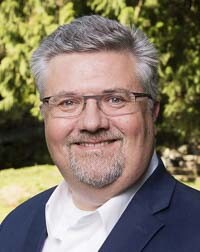
Fast food restaurants, already burdened by a new law that prevents them from disclosing the cost of government mandated programs, are increasing prices to cover the cost of the increased minimum wage.
The New York Post is reporting that Burger King is reporting the Double Whopper meal increased by 12% since the new law took effect. As the Washington Policy Center has previously highlighted, increases in food prices are entirely predictable when the state increases minimum wage on restaurants.
One viral picture on X, shows In-N-Out Burger has also increased prices across the board.
Here in Washington, several local cities are increasing their minimum wage. Bellingham is heading the charge this year in raising its minimum wage to $17.28 and another $1 to $18.28 in 2025. Just as in California, Bellingham restaurants are going to raise the price of food.
By raising the minimum wage, in the short term, workers will see an increase in wages, but long-term costs will increase negating the additional money received from the higher minimum wage.
Sometimes, instead of a salary bump, many workers instead find their work hours cut or their jobs eliminated completely. For some employees, if they fall below a minimum hour threshold required for benefits, they lose benefits too.
Increasing the minimum wage also adds to the inflationary pressure Washington residents are facing. The more things cost, the less purchasing power the average consumer has. There is upward pressure on all wages, irrespective of sector, to counter increased costs.
There is no way around the effects of minimum wage increases – your favorite fast food, and many other things, are going to cost more, and in Washington and California, both states with high minimum wages, even higher prices.
Mark Harmsworth is the director of the Small Business Center at the Washington Policy Center.

Also read:
- Opinion: Public workers’ First Amendment rights are getting attention – in Idaho, not Washington
 Idaho moves to stop public schools from collecting union dues through government payroll while Washington continues favoring unions over worker choice.
 - Opinion: Lawsuit filed against the unconstitutional income tax in Washington state
 Former Attorney General Rob McKenna and Supreme Court Justice Phil Talmadge challenge the 9.9% income tax in Klickitat Superior Court.
 - Letter: ‘Oregon and Washington aren’t refusing to clean their rolls — they’re contesting federal jurisdiction and timing’
 Camas resident challenges Lars Larson’s fraud claims, explaining legal disputes over federal jurisdiction.
 - Opinion: ‘When are we going to get the full and complete details of the Interstate Bridge Replacement Program’s I-5 Bridge replacement project?’
 IBR team buried key details about light rail ending at waterfront with massive elevator system required.
 - POLL: Do you support extending light rail beyond the waterfront to connect with C-TRAN at Library Square?
 Readers can weigh in on Anne McEnerny-Ogle’s proposal to extend light rail beyond the waterfront to Library Square for improved C-TRAN connections.
