



Mark Harmsworth believes that, ultimately, solving homelessness requires practical, data-driven solutions that prioritize the well-being of all members of our community
Mark Harmsworth
Washington Policy Center
Spokane’s homelessness initiative has been overturned by the Washington Supreme Court. The initiative was passed overwhelmingly (75% approving) by voters in 2023. The court concluded that the initiative exceeded the legal limits of local initiatives.
Quoted on MyNorthwest.com via the Jason Rantz radio show, Mark Lamb an attorney from Bothell, argued that this “decision effectively guts the local initiative power in Washington state.”
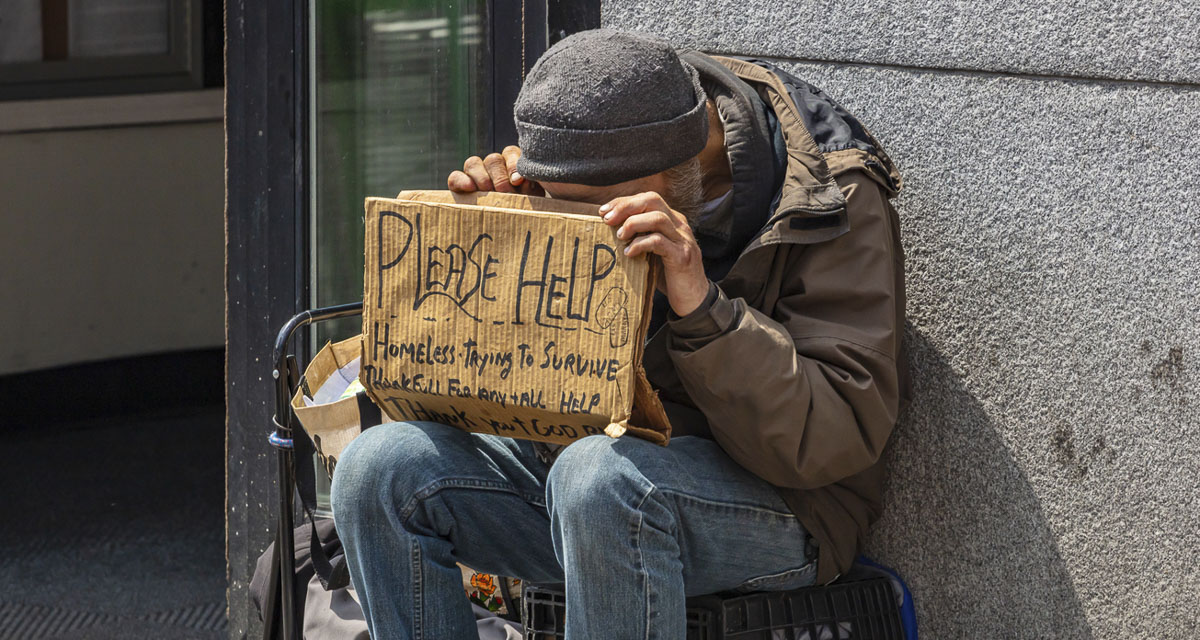
Uncontrolled encampments pose significant risks to public health and safety contributing to increased crime rates and negative impacts on local businesses. Enabling unrestricted camping does not solve homelessness; it exacerbates existing problems and creates new ones.
Opponents of the anti-camping laws argue that it is inhumane and punishes individuals for their lack of housing. While compassion is essential, allowing people to live on the streets is not compassionate. It traps them in a cycle of poverty, addiction, and despair, far from the services and support they desperately need.
The most effective way to address homelessness is through a multi-faceted approach that maintains clear boundaries and ensures public spaces are safe and accessible for everyone. That included providing access to mental health and addiction services that are critical for long-term recovery, offering temporary housing options that provide a safe and stable environment (with appropriate requirements to assist in drug and alcohol abuse) and increasing the availability of affordable housing units to provide a pathway to permanent independence.
Innovative solutions, as implemented by the City of Marysville are also effective ways to help the homeless either find the services they need or for those that continue committing crimes, jailtime is an option.
Spokane’s anti-camping law is not about punishing people; it’s about encouraging them to seek help and connecting them with the resources they need. By prohibiting camping in public spaces, the law creates an incentive for individuals to access shelters, treatment programs, and other services that can help them get back on their feet.
Invalidating a voter-approved initiative sets a dangerous precedent. It disregards the will of the people and empowers activist judges to impose their own policy preferences, regardless of the impact on the community. We must respect the initiative process and uphold the decisions made by Spokane voters.
Ultimately, solving homelessness requires practical, data-driven solutions that prioritize the well-being of all members of our community. Overturning Spokane’s anti-camping law is not a solution; it is a step backward that will only exacerbate the problem and undermine our collective efforts to create a better future for Spokane.
Mark Harmsworth is the director of the Small Business Center at the Washington Policy Center.

Also read:
- Opinion: ‘When are we going to get the full and complete details of the Interstate Bridge Replacement Program’s I-5 Bridge replacement project?’
 IBR team buried key details about light rail ending at waterfront with massive elevator system required.
 - POLL: Do you support extending light rail beyond the waterfront to connect with C-TRAN at Library Square?
 Readers can weigh in on Anne McEnerny-Ogle’s proposal to extend light rail beyond the waterfront to Library Square for improved C-TRAN connections.
 - Opinion: Passing a cyclist – Law, myth and a little patience
 Most drivers can’t legally pass cyclists in-lane due to vehicle width versus road measurements.
 - Opinion: The path to real tax reform requires a spending limit
 Washington Policy Center director argues constitutional spending caps would force real budget tradeoffs instead of endless tax increases.
 - Opinion: ‘Both states know they have seriously flawed voter registration’
 Lars Larson argues Oregon and Washington are suing DOJ to avoid cleaning up fraudulent voter rolls before elections.
