



Donald Kimball of the Washington Policy Center says a large change in the direction of the FCC should be expected
Donald Kimball
Washington Policy Center
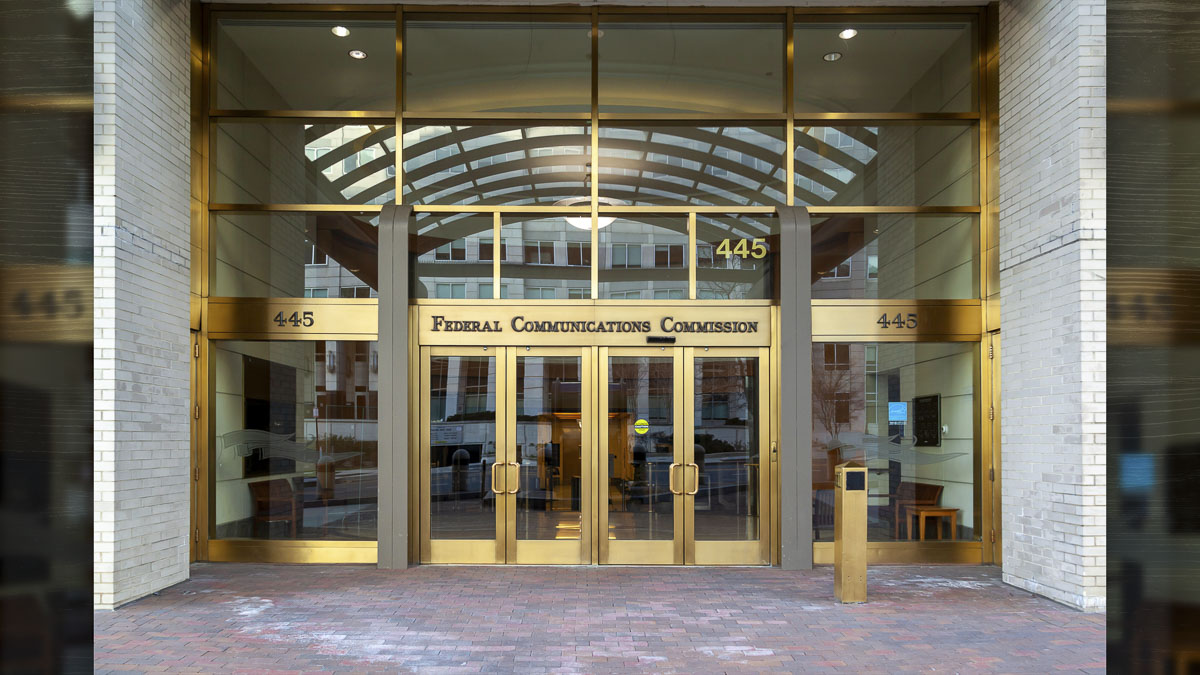
Brendan Carr, the senior Republican on the Federal Communications Commission (FCC), has been named the next chairman of the FCC by President-elect Donald Trump. Based on his past and current statements, a large change in the direction of the FCC should be expected. A few key takeaways:

- Net Neutrality: Commissioner Carr was part of the initial repeal of the net neutrality rules in 2017, and has continued to decry their reinstatement. As I’ve argued in the past, the FCC would be wise to avoid reinstating these rules as they overstep the scope of the FCC and create worse outcomes compared to areas that have similar regulations in effect.
- Digital Divide: One of the split views in approaches to bringing rural areas has been high federal involvement or a light touch. Having criticized the BEAD program (which I wrote about here) and advocated for federal agencies to auction off spectrum bands for 5G to private actors, Carr’s position is clearly one of letting private companies take the lead. This will also likely shift FCC priorities to making pathways for rural areas to take advantage of wider range, cost-effective approaches like Starlink in favor of spending more to connect fiber networks to these areas.
- Big Tech: Meta, Google, and Facebook have all come under scrutiny over political content censorship and de-prioritization, and Commissioner Carr has expressly stated his intent to pursue this. Section 230 reform seems likely, but I would caution that heavy-handed regulation, even in the name of protecting speech, can often destroy the foundations allowing free speech to exist. We will keep an eye out to see if he can thread the needle to protect First Amendment expression without breaking the balance that allows platforms to create desirable spaces.
- National Security: Outlined skepticism over TikTok and other Chinese technology indicates that he will be a proponent to continue the TikTok ban policy, in spite of free speech concerns. This would be at odds with President-elect Trump’s campaign promise, so it’s yet to be seen if this will be strongly pursued or not.
- DEI: The FCC’s latest budget request set diversity, equity, inclusion, and accessibility as the second highest priority in regards to digital communication and services. Commissioner Carr has explicitly stated this will no longer be a priority for the commission. His advocacy for bridging the digital divide indicates that digital accessibility will still be a focus, but is much more likely to be strategically pursued by cost, reach, and need, rather than external factors such as race or social stigma.
Donald Kimball is the communications manager and the tech exchange editor at the Washington Policy Center.

Also read:
- ‘Our new normal’: WA confronts another year of drought
 Casey Sixkiller says every watershed in Washington has dropped below 75% of normal water supply.
 - Schools expect minimal impact with Title IX pacts rescinded
 Federal officials rescinded agreements with six school districts, saying previous administrations misapplied Title IX protections.
 - Former WA Supreme Court justice joins legal effort against income tax
 Phil Talmadge and Rob McKenna have joined forces with the Citizens Action Defense Fund to oppose Washington’s new tax on high-income earners, raising legal and constitutional questions.
 - Makeover in store for Congress with flood of lawmakers headed for the exits
 A wave of exits from Congress—over 65 lawmakers—will usher in unfamiliar faces and decrease veteran expertise, shifting the political landscape in Washington.
 - Opinion: Sheriffs fight back
 Four county sheriffs are suing to block a new law giving a governor-appointed board power to decertify and remove sheriffs, bypassing voter oversight in Washington.
