


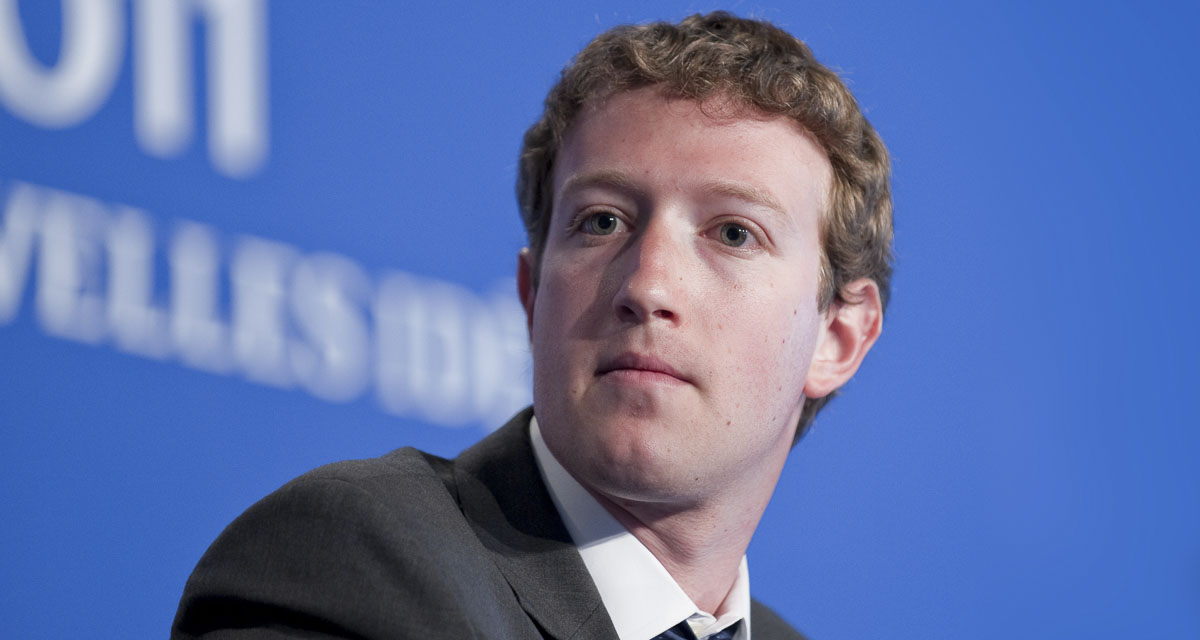
In a video, Zuckerberg noted how the federal election was a ‘cultural tipping point’ in the direction of free speech and how he still holds free expression as a core value
Donald Kimball
Washington Policy Center
In a video published this morning, Facebook founder and CEO of Meta Mark Zuckerberg laid out his vision for the future of free expression on Facebook. While Facebook was notorious for suppressing political speech and censoring outspoken voices in the past five years, Zuckerberg noted how the federal election was a “cultural tipping point” in the direction of free speech and how he still holds free expression as a core value. In this video, he committed to drastic changes in favor of free expression.
Earlier last year, he had written a letter to congress explaining how the U.S. government had pressured Facebook to censor the Hunter Biden laptop story. When that released, I had written a piece skeptical of his seemingly newfound commitment to free speech – after all, talk is cheap, and when standing up for free speech really counted, Facebook was one of the biggest censors. In that piece I listed out a few changes Zuckerberg could make if he really wanted to put his words into action:
1. Review every account suspended for misinformation, publicly release a full list, and restore the wrongfully silenced.
2. End aggressive shadow-banning policies and commit to a much more robust and transparent appeal process for blocked content.
3. Democratize its content warnings to be more like X’s Community Notes feature.
His newly laid out future of Facebook embraces a few of these ideas. For starters, he specifically calls out changing from fact checkers to community notes – the political bias, particularly in the U.S. he asserted, was too strong to be reliable in a politically charged environment. With the roaring success of X’s Community Notes, it’s no surprise he’s moving in this direction, but it’s a welcome change.
He also promised to resurrect political topics on Metas platforms. The reach and visibility of political posts was greatly diminished in the past few years, and paid advertisements were nearly entirely out. Hopefully this addresses my second concern with shadow banning, but it will harder to measure right away.
Additionally, he added that he would create a higher bar for content to be taken down or suspended, focusing more on illegal or high violations of community guidelines rather than auto-targetting all violations, and work to promote free speech expression across the world by working with the U.S. government.
His video is a breath of fresh air from the recent history of Facebook’s censorship. While I’m still skeptical if all his commitments will be seen through, I’m cautiously optimistic. Perhaps it is only due to the change of federal administrations, but regardless we should welcome this change in tone and tangibly laid out progress. Now that we have concrete promises on how he seeks to increase free expression, tracking accountability becomes easier.
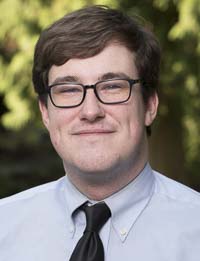
Donald Kimball is the communications manager for the Washington Policy Center.

Also read:
- Opinion: Were Republican voters just sleeping during the August primary election?
 CCRP Chairman Matt Bumala says 60% of primary no-shows in the 17th and 18th districts were Republicans.
 - Opinion: WA Cares’ launch showcased care WA Cares did not provide
 Gov. Ferguson showcased a caregiving arrangement at the WA Cares launch that the program had not paid for a single day of.
 - Opinion: Portland’s War on Cars Part 4 – A smarter automobile strategy to end gridlock
 O’Toole argues fuel wasted in Portland-area congestion has sextupled since 1982, generating 250,000 tons of extra greenhouse gases annually.
 - Opinion: The Tooth Fairy’s secrets to making brushing & flossing magical
 Delta Dental of Washington’s Tooth Fairy Experience offers free resources to help children build lifelong brushing and flossing habits.
 - Opinion: Transit ridership trends are dismal but regional plans are oblivious
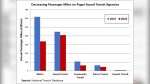 Puget Sound transit passenger-miles fell 31% from 2015 to 2024 despite a half-million-resident population increase.
 wpDiscuz