


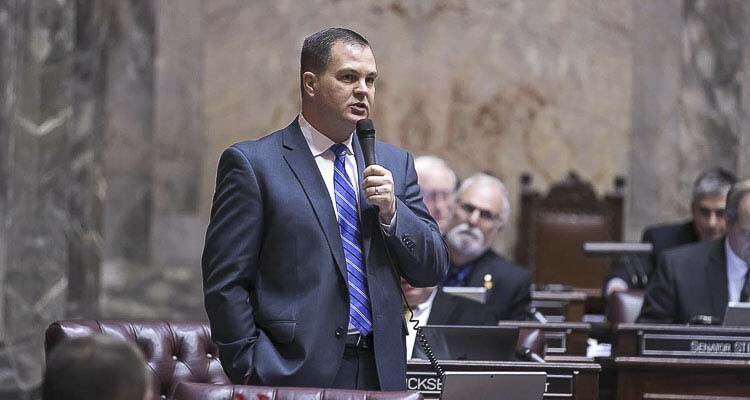
Sen. John Braun shares results of an audit by the U.S. Department of Education which found that Washington state school officials had little oversight in how they spent student funding
Sen. John Braun
20th Legislative District
An audit by the U.S. Department of Education found that Washington state school officials had little oversight in how school districts spent $1 billion in student funding, 20% of which was intended to help students catch up from learning loss as a result of COVID shutdowns.
The Seattle Times reported that state Superintendent of Public Instruction Chris Reykdal said he thought the districts’ reporting was in compliance with federal law, but the reports the office of Superintendent of Public Instruction (OSPI) posted were found to be insufficient.
Even now, the language OSPI posted to explain how districts used the money is fewer than 50 words.
The audit also found that the state did not adequately monitor if the interventions meant to help students catch up were successful.
“Students are still behind. If there were more opportunities to weigh in, and transparency around what districts are doing, the funds may have been used in a way that’s more effective for students.” – Katie Silberstein, strategic projects lead for the Edunomics Lab, a Georgetown University department that researches education finance.
Public trust in government is very low and it’s easy to see why when we find out that those who are entrusted to spend your money in specific ways, such as helping our kids recover academically, do so with a lack of accountability and poor follow-through.
A study ordered by the Washington State Legislature, conducted in May, found that 74% of school’s federal aid expenditures are classified as “other,” making it harder to verify how the money was spent.
This is unacceptable. Superintendent Reykdal should be monitoring our school districts’ reporting more closely. If he can’t ensure we spend federal dollars as we are required to do so, it could jeopardize such aid in the future. Our students deserve better.

Also read:
- Opinion: Were Republican voters just sleeping during the August primary election?
 CCRP Chairman Matt Bumala says 60% of primary no-shows in the 17th and 18th districts were Republicans.
 - Opinion: WA Cares’ launch showcased care WA Cares did not provide
 Gov. Ferguson showcased a caregiving arrangement at the WA Cares launch that the program had not paid for a single day of.
 - Opinion: Portland’s War on Cars Part 4 – A smarter automobile strategy to end gridlock
 O’Toole argues fuel wasted in Portland-area congestion has sextupled since 1982, generating 250,000 tons of extra greenhouse gases annually.
 - Opinion: The Tooth Fairy’s secrets to making brushing & flossing magical
 Delta Dental of Washington’s Tooth Fairy Experience offers free resources to help children build lifelong brushing and flossing habits.
 - Opinion: Transit ridership trends are dismal but regional plans are oblivious
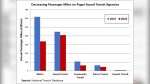 Puget Sound transit passenger-miles fell 31% from 2015 to 2024 despite a half-million-resident population increase.
 wpDiscuz