


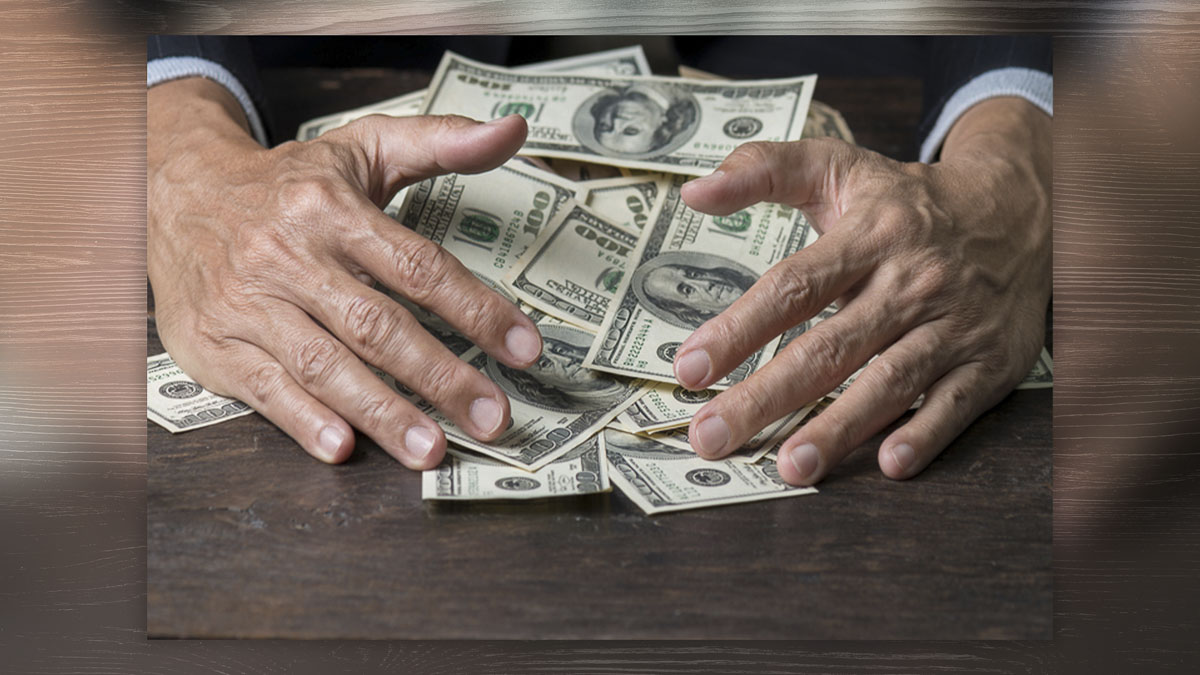
Paul Guppy of the Washington Policy Center states that the policy positions of those who benefit from government revenue are often aligned against popular measures that would reduce new government revenue
Paul Guppy
Washington Policy Center
Voters will soon weigh in on four popular citizen-led ballot initiatives. Three of these are I-2109, to repeal the capital gains income tax, I-2124, to make paying the long-term care payroll tax optional, and I-2117, to repeal the carbon tax on gasoline, home heating oil and other forms of energy.
A fourth citizen initiative, I-1066, would repeal SB 1589, a bill Democrats passed in the waning days of the legislative session to phase-in a ban on natural gas in manufacturing, agriculture, home heating, kitchen appliances and other household uses.
In reviewing the text of the four initiatives a pattern emerges. Three of the four, if passed, would lower the tax burden and deprive lawmakers of billions in new revenue they want to receive in years to come.
A similar pattern emerges in reviewing the original six citizen initiatives voters sent to the legislature in January. Democratic leaders, backed by rank-and-file members of both parties, quickly passed three of the measures by large bi-partisan majorities. These were proposals to strengthen public safety, ban state and local income taxes, and protect parent rights in public education.
As legislative leaders made clear in floor debate, these three citizen measures were allowed to pass because they changed policy but had no impact on state finances. Quickly passing these popular measures removed them from public debate during a hotly-contested election year, while in no way diminishing the future tax revenues lawmakers expect to receive.
The same cannot be said, however, for the three initiatives they refused to pass or even discuss. Even a cursory glance reveals the pattern: Passage of I-2109, I-2117, and I-2124 would repeal new taxes or make them optional.
Many lawmakers see the tax code as a zero-sum game. They know that whenever people get to keep more of their own money the government will be getting less. That self-interested reasoning explains a lot about the well-funded drive to defeat the three tax-cutting ballot measures.
Initiative opponents say passage would “reduce K-12 funding [for schools]” and would “devastate” public programs. Neither claim is true. The state will not “lose” any money if the three initiatives pass. That’s because state tax revenue is set to increase by billions a year without new taxes.
Washington lawmakers have plenty of money. The state operating budget has more than doubled in the last ten years, rising from $33 billion in 2013 to over $72 billion today, a 118% increase.
Over the same period population rose 18%, and inflation rose just 34%. The public education budget is at the highest level ever, spending over $19,000 per student, more than tuition at many private schools.
Given the ample revenue the state already gets, opposition to the three tax-cutting ballot measures appears motivated by an avaricious craving for augmented revenue, a common human emotion known as “greed.” As one left-leaning media outlet confirmed, repeal of these new taxes “would wipe out hard-won – and enormously lucrative – victories of core elements of the Democrats’ political coalition.”*
Washingtonians should vote on ballot measures based on the best understanding of the merits of each one. At the same it helps to put the claims being made against the initiatives in the right context. If they pass taxpayers would get relief, but state legislators would lose access to billions in expected new taxes.
The policy positions of those who benefit from government revenue are often aligned against popular measures that would reduce new government revenue. Seen in that light, the intense opposition against tax-cutting citizen initiatives makes more sense.
Paul Guppy is a senior researcher at the Washington Policy Center.

Also read:
- Opinion: Were Republican voters just sleeping during the August primary election?
 CCRP Chairman Matt Bumala says 60% of primary no-shows in the 17th and 18th districts were Republicans.
 - Opinion: WA Cares’ launch showcased care WA Cares did not provide
 Gov. Ferguson showcased a caregiving arrangement at the WA Cares launch that the program had not paid for a single day of.
 - Opinion: Portland’s War on Cars Part 4 – A smarter automobile strategy to end gridlock
 O’Toole argues fuel wasted in Portland-area congestion has sextupled since 1982, generating 250,000 tons of extra greenhouse gases annually.
 - Opinion: The Tooth Fairy’s secrets to making brushing & flossing magical
 Delta Dental of Washington’s Tooth Fairy Experience offers free resources to help children build lifelong brushing and flossing habits.
 - Opinion: Transit ridership trends are dismal but regional plans are oblivious
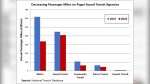 Puget Sound transit passenger-miles fell 31% from 2015 to 2024 despite a half-million-resident population increase.
 wpDiscuz