



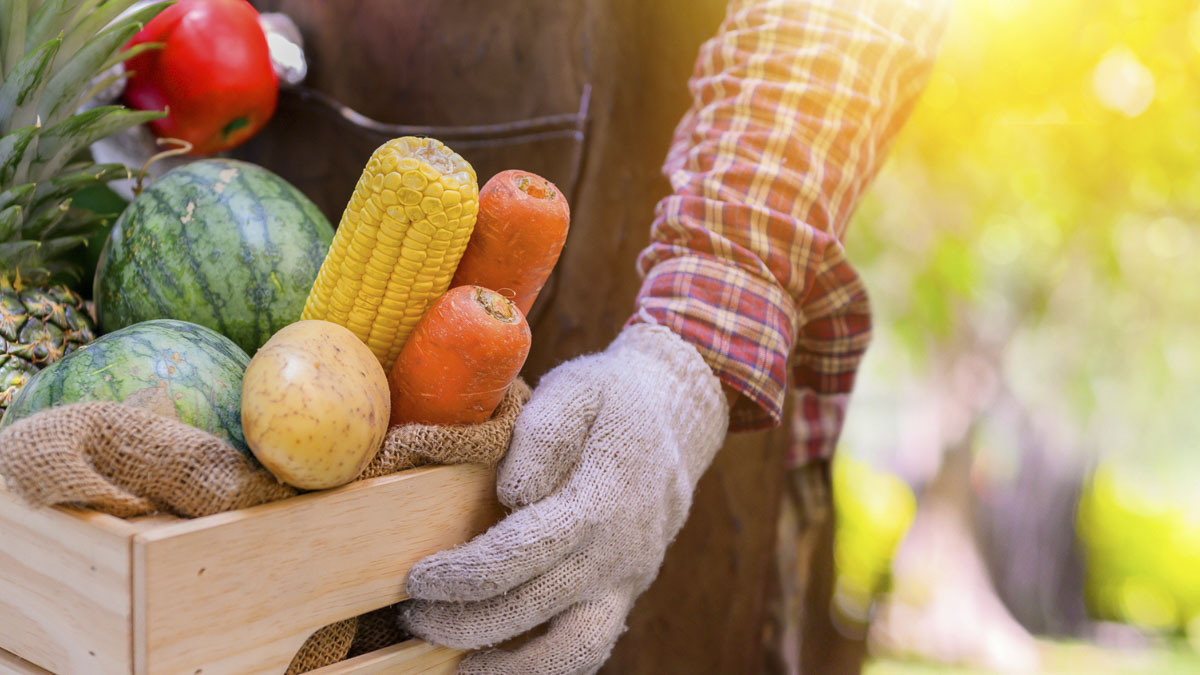
Autumn and the onset of winter are seasons of stock-taking on our farms and ranches; They are times during which food producers evaluate the successes and failures of the past year
Pam Lewison
Washington Policy Center

Thanksgiving is steeped in agriculture and the land. From celebrating the end of harvests to the literal bounty on the table when people gather to feast. Yet, this year will be a reminder for many farmers and ranchers of the challenges of their jobs.
According to the USDA, the average American household spent $1,300 a month on groceries in 2024. That translates into just $182 earned for the farmers and ranchers, who must pay their expenses from that amount.
But what does that look like for Thanksgiving? A meal with unique purchases that are often once-a-year items. The National Farmers Union uses data from the U.S. Department of Agriculture (USDA) and the American Farm Bureau Federation to find out and publishes the Farmer’s Share each Thanksgiving Week. Here are this year’s numbers:
| 2024 Thanksgiving Farmer’s Share | ||
| Retail Price | Farmer’s Share | |
| Butterball Frozen Turkey, 16-20 | $2.42/lb | $0.06/lb |
| Signature Select Farms Russet Potatoes, 10 lbs | $6.99 | $1.22 |
| Mrs. Cubbisons Stuffing Seasoned Traditional Box, 12 oz. | $4.39 | $0.07 |
| Signature Select Pumpkin 100% Pure, 15 oz. | $4.29 | $0.14 |
| Signature Fresh Cranberries, 12 oz. | $2.99 | $0.86 |
| Signature Select Smoked Cooked Boneless Ham, 2 lbs. | $15.98 | $1.28 |
| Signature Select Artisan White Dinner Rolls, 18 oz. | $3.99 | $0.10 |
| Signature Select Farms Green Beans Family Pack, 20 oz. | $5.00 | $0.98 |
| Signature Select Corn Sweet White, 16 oz. | $2.99 | $.034 |
Based on the specific purchases made for an annual Thanksgiving meal, a family of four bought $86.94 worth of items and the farmers and ranchers that produced them earned just $6.07 or about 7 cents, on average, per dollar spent.
The small financial margins are one reason so many small farms are struggling.
The most recent USDA Census of Agriculture highlighted the staggering loss of 3,717 farms in Washington state between 2017 and 2022. That equates to the disappearance of two farms and ranches a day, every day during that five-year period. Data suggests those disappearances are not slowing. If that loss rate has remained the same, Washington state has lost another 1,400 or so farms and ranches by the time you will read this.
Despite this change in the number of farms and ranches, the overall fortunes of the remaining food producers in the United States has not changed. The National Farmer’s Union reports food producers earned just 14 cents from every dollar spent in the grocery store this year.
Grocery prices have made headlines in 2024, with cost increases highlighted around the country. The Consumer Price Index noted the overall cost of food rose 2.3 percent between 2023 and 2024. Fewer farms and ranches have reduced the overall availability of products like meat, eggs, and some produce.
We should all consider the loss of so many farms and ranches as a warning sign. And an opportunity.
Autumn and the onset of winter are seasons of stock-taking on our farms and ranches. They are times during which food producers evaluate the successes and failures of the past year. Now is the perfect opportunity to look for ways to improve policy for the better so the farms and ranches of our state can remain to provide a bounty for next year’s Thanksgiving.
Pam Lewison is the director of the Center for Agriculture at the Washington Policy Center.

Also read:
- Opinion: The legislature has committed $2.4 billion to recurring pension increases since 2018
 Six legislative COLAs have raised public employer costs by $2.38 billion since 2018, driving up unfunded pension liabilities and increasing burdens on county and city budgets.
 - Opinion: ‘Just because they got away with it doesn’t mean they weren’t wrong’
 A Skamania County deputy’s report found violations of county rules and the Open Public Meetings Act, but no prosecutor acted on the findings.
 - Opinion: Small things grow great by concord
 Washington’s initiative process gives citizens direct power to challenge lawmakers. Failed restrictions and new measures on girls’ sports, parental rights, and citizenship prove the influence of grassroots action.
 - Opinion: California’s $20 fast food minimum wage creates less jobs and lower income
 Study data show California fast food workers now face fewer shifts, higher menu prices, and widespread automation after the $20 wage hike.
 - Opinion: State is rightly emphasizing experience and skills, not degrees
 Elizabeth New explains how a new state policy removes unnecessary advanced degree requirements, supporting skills-based employment and broadening opportunities for capable workers.
