



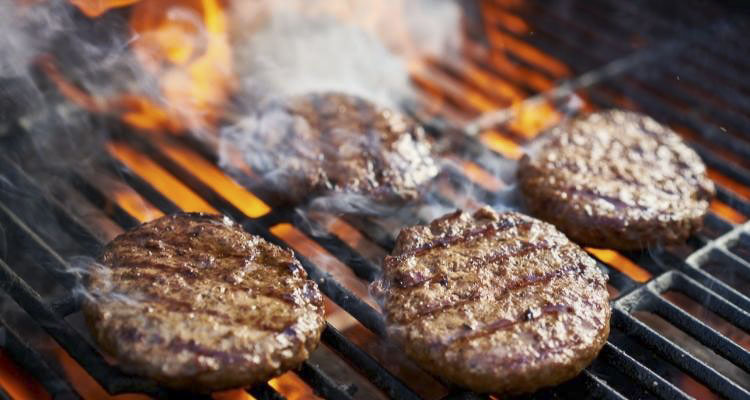
Pam Lewison of the Washington Policy Center compares the average Fourth of July cookout cost last year to this year
Pam Lewison
Washington Policy Center
Next Monday is the annual celebration of freedom from the tyranny of an absentee monarchy. In 2021, the White House tweeted a Fourth of July cookout would cost Americans $0.16 less than in 2020 and touted it as a victory.

Will there be a similar tweet for 2022? As the United States finds itself in the grip of rising food and fuel costs, it is hard to imagine given the numbers.
The American Farm Bureau Federation reports the average Fourth of July cookout will cost people living on the West Coast $81.12 for 10 people this year. The 2022 cost is up $18.21 – a nearly 30% increase from 2021. The estimated total cost for 2021 was $62.41 and $61.27 in 2020.
The West Coast, despite leading the nation in several fresh produce categories – apples, potatoes, asparagus, berries, cherries, and more – also has the highest food costs in the country. While the 2022 cookout cost on the West Coast is estimated to cost $81.12, the Midwest, South, and Northeast combined for an estimated total cost of $66.93 this year, just over $14 less than the West Coast region, making it a tale of two grocery bills.
Food estimates only tell a partial story. AAA estimates nearly 5 million people will travel more than 50 miles during the Fourth of July weekend. Year-over-year fuel prices have increased approximately 63 percent, with AAA reporting the average price per gallon in Washington state at $5.50. The average fuel economy for most cars on the road is reportedly 24 mpg, making a 100-mile trip cost approximately $22.92.
After last year’s celebratory tweet about Americans saving $0.16 on a cookout for 10 people to celebrate Fourth of July, the whiplash of 2022 feels even more challenging. With the overall cost of a cookout increasing 17 percent nationally and 30 percent on the West Coast year-over-year, Americans are seeing the reality in their bank accounts, independent of what politicians might claim.
Pam Lewison is the director, Initiative on Agriculture at the Washington Policy Center.

Also read:
- POLL: Do you support extending light rail beyond the waterfront to connect with C-TRAN at Library Square?
 Readers can weigh in on Anne McEnerny-Ogle’s proposal to extend light rail beyond the waterfront to Library Square for improved C-TRAN connections.
 - Opinion: Passing a cyclist – Law, myth and a little patience
 Most drivers can’t legally pass cyclists in-lane due to vehicle width versus road measurements.
 - Opinion: The path to real tax reform requires a spending limit
 Washington Policy Center director argues constitutional spending caps would force real budget tradeoffs instead of endless tax increases.
 - Opinion: ‘Both states know they have seriously flawed voter registration’
 Lars Larson argues Oregon and Washington are suing DOJ to avoid cleaning up fraudulent voter rolls before elections.
 - Letter: Compassion without accountability is failing Clark County
 Sarah Mittelman calls for clear standards and measurable results in homelessness spending.
