


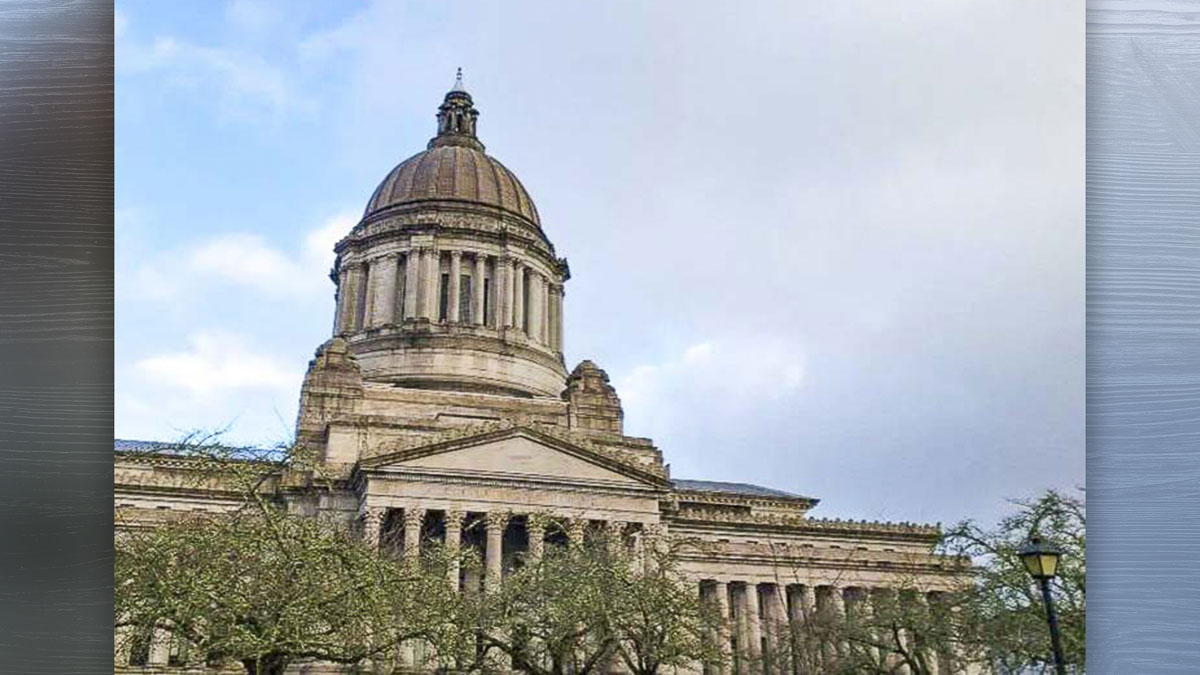
Revenue for the 2025-2027 and 2027-2029 budget cycles are down $479 million and $420 million, respectively, from the previous forecast in November
Brett Davis
The Center Square Washington
The good news: Washington state is expecting a $54 million increase in anticipated revenue for the remainder of the current 2023-2025 budget cycle.
The bad news: Revenue for the 2025-2027 and 2027-2029 budget cycles are down $479 million and $420 million, respectively, from the previous forecast in November.
That translates into a total projected revenue drop of $845 million, or 0.6%, over the state’s four-year budget outlook.
“We expect that we’ll probably be running lower balances going forward now, given the tough budget situation that we’re in, so it’s really a story about the balances; we expect the balance of funds to be lower,” Dave Reich, executive director of the Economic and Revenue Forecast Council, told the group at its Tuesday meeting.
Lawmakers will use Tuesday’s forecast to help craft an operating budget for the upcoming 2025-2027 biennium, a potentially daunting task given a projected four-year budget shortfall.
Majority party Democrats have largely settled on a $12 billion figure during the current session. Republicans say numbers from nonpartisan staff indicate the shortfall is expected to be $6.7 billion over the next four years.
Lawmakers responded to the ERFC report shortly after the meeting.
“Today’s revenue forecast shows a modest decline in projected revenue, which is what we expected,” Senate Ways & Means Chair June Robinson, D-Everett, said in a news release. “While it doesn’t change the broader fiscal challenges we face, it reinforces the need for a balanced and sustainable approach as we finalize the 2025-27 operating budget.
“Throughout this process, we have been focused on making thoughtful, strategic decisions that protect essential services and put the state on a stronger financial footing. The proposal we release next week will reflect that commitment, ensuring stability now and in the years ahead.”
According to a budget leader for Senate Republicans, the state needs to limit spending and avoid new taxes.
“Even with today’s forecast, the state expects to have $4.5 billion more over the next two years, so the sky is not falling,” said Sen. Chris Gildon, R-Puyallup, in a news release. “Still, our chief economist repeatedly cautioned us to expect slow revenue growth. Legislative budget writers should take heed and show restraint going forward, especially with the uncertainty about actions at the federal level that could affect our situation.”
He went on to say, “The smart approach is to avoid new and higher taxes, limit new spending to core priorities like K-12 and public safety, preserve social services, and protect the rainy-day fund. Our $ave Washington budget does all of that.”
Earlier this month, Senate Republicans unveiled a budget proposal they say closes the budget shortfall without raising taxes or dipping into the state’s rainy-day fund.
The $75.6 billion plan includes a 5% spending hike for things like increased K-12 funding, 1,800 new higher-education positions and public safety enhancements.
This report was first published by The Center Square Washington.

Also read:
- Opinion: Were Republican voters just sleeping during the August primary election?
 CCRP Chairman Matt Bumala says 60% of primary no-shows in the 17th and 18th districts were Republicans.
 - Opinion: WA Cares’ launch showcased care WA Cares did not provide
 Gov. Ferguson showcased a caregiving arrangement at the WA Cares launch that the program had not paid for a single day of.
 - Auditor, auditor candidate address scrutiny over job title
 Greg Kimsey says roughly 40 county employees hold the deputy county auditor designation Kelly used in his campaign.
 - Opinion: Is Mitchell Kelly misleading voters with his ‘deputy auditor’ claim?
 Clark County HR records show no position called “Deputy County Auditor” has ever existed, Anderson argues.
 - Opinion: Democrats rig the ballot to save their income tax
 Churchill argues the ballot disclosure warning voters of education cuts describes revenue never collected and not yet allocated.