


The first-term Democrat also said he would not sign any increase in sales or property taxes, two established options lawmakers could use to raise revenue quickly
Bill Lucia and Jerry Cornfield
Washington State Standard
Gov. Bob Ferguson warned Tuesday (Dec. 2) that the budget proposal he’ll release this month will rely solely on spending cuts and not higher taxes to overcome what he says is a multi-billion dollar shortfall.
“That’s the plan,” Ferguson told reporters at the state Capitol. “I don’t plan on balancing the budget with revenue.”
“It’s a fluid situation, as you might imagine, but that is our focus right now,” Ferguson said.
The first-term Democrat also said he would not sign any increase in sales or property taxes, two established options lawmakers could use to raise revenue quickly.
Ferguson’s comments offered the clearest insight yet on his approach to writing his first spending plan, due out in about two weeks. It puts him at odds with progressive Democrats clamoring for new taxes on wealthy residents and large corporations.
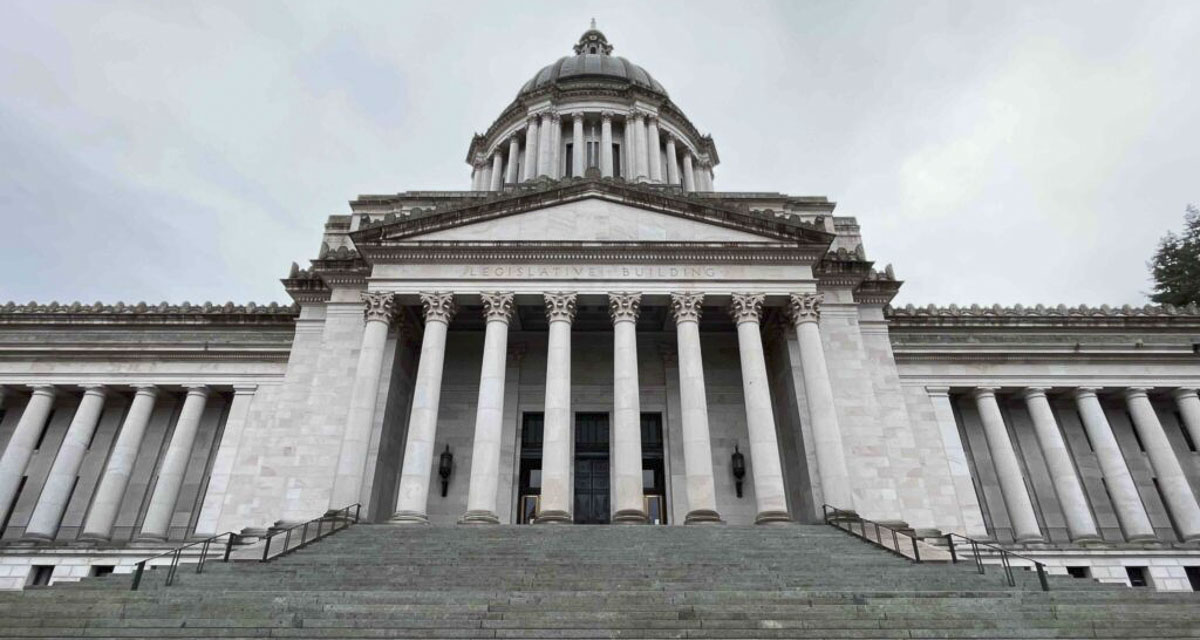
Shortly before Ferguson made his comments, state Rep. Shaun Scott, D-Seattle, held a press conference on the Capitol steps about payroll tax legislation he is sponsoring that would target larger companies with higher-paid employees.
He pointed to billions of dollars in spending reductions lawmakers made this year, as they also pushed through upward of $9 billion in new and higher taxes. Since then, estimates have shown tax collections falling below expectations.
“The question I would ask is: How many cuts is enough?” Scott said. “Revenue is the way that we solve many of the problems that are posed in front of us.”
The governor said he wasn’t familiar with Scott’s proposal.
Ferguson emphasized that the state’s looming financial decisions are tougher than the ones made in the two-year operating budget he signed in May, which dealt with a gap that the governor pegged at around $16 billion over four years.
“We cut about $8 billion from the budget earlier this year,” the governor said. “So, as you might imagine, the ninth billion that you’re cutting is a lot more challenging to cut than the first billion.”
When asked why he was not turning to new tax revenue, given the difficult decisions he described, he said the kinds of new tax ideas Democratic lawmakers are talking about, including Scott’s bill, cannot bring in money fast enough to solve the state’s immediate budget problems.
“We have a multi-billion dollar shortfall this next year,” he said.
“That’s just a reality that the Legislature is going to have to grapple with as well,” Ferguson added.
He vowed to veto sales or property tax increases if they reach his desk. “Those things are not going to happen,” he said.
Ferguson’s budget proposal will serve as a template for House and Senate budget writers during the 2026 legislative session that begins Jan. 12. Budget legislation approved next year will make adjustments to the two-year spending plan that took effect July 1.
This report was first published by the Washington State Standard.

Also read:
- Opinion: Were Republican voters just sleeping during the August primary election?
 CCRP Chairman Matt Bumala says 60% of primary no-shows in the 17th and 18th districts were Republicans.
 - Opinion: WA Cares’ launch showcased care WA Cares did not provide
 Gov. Ferguson showcased a caregiving arrangement at the WA Cares launch that the program had not paid for a single day of.
 - Auditor, auditor candidate address scrutiny over job title
 Greg Kimsey says roughly 40 county employees hold the deputy county auditor designation Kelly used in his campaign.
 - Opinion: Is Mitchell Kelly misleading voters with his ‘deputy auditor’ claim?
 Clark County HR records show no position called “Deputy County Auditor” has ever existed, Anderson argues.
 - Opinion: Democrats rig the ballot to save their income tax
 Churchill argues the ballot disclosure warning voters of education cuts describes revenue never collected and not yet allocated.