


Complete Streets has had mixed reviews throughout the city of Vancouver, with a passionate no from many in east Vancouver, so we asked candidates for city positions if they would be open to making changes to future plans, based on the needs of each neighborhood
Paul Valencia
Clark County Today
For some, the city’s Complete Streets program has been a welcome change.
For others, the Complete Streets program represents an overreach by the government, and a big mistake to neighborhoods.
We wanted to know what the candidates think about Complete Streets as we head to election day on Nov. 4.
Clark County Today sent out a questionnaire to eight Vancouver candidates (two for mayor and six for three city council positions) recently and received responses from seven.
Today’s subject was on Complete Streets.
Some background: Complete Streets completely changed the landscape of Columbia Street and McLoughlin Boulevard before a major change in east Vancouver at SE 34th Street. The East 34th Street project as well as proposals for more changes along McGillivray Boulevard and other areas brought out the ire of many neighbors.
So much so that in January of 2024, several local grassroots organizations met to discuss how to best fight City Hall on the changes. Out of several meetings came the group Save Vancouver Streets.
That organization went through the initiative process, gaining more than 6,500 signatures in hopes of getting its proposal to the ballot: That all future projects that would remove current lanes of traffic be OK’d by the voters.
The city took no action on the initiative. Save Vancouver Streets sued. The courts have ruled against Save Vancouver Streets but there is an ongoing appeals process.
With that in mind, here was Clark County Today’s set-up and question:
Complete Streets has had mixed reviews. Some neighborhoods seem to appreciate the changes while other neighborhoods can’t stand the changes. While streets closer to downtown might be improved with fewer vehicle lanes and more bike/pedestrian areas, it seems clear that making those major changes in east Vancouver go against what the people want. Would you be open to slowing down the plans for Complete Streets in some neighborhoods?
Mayor
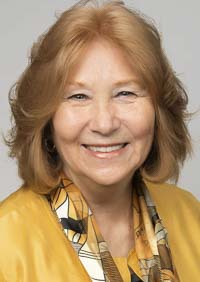
Anne McEnerney-Ogle: “In essence, Vancouver’s approach is about sharing the street more equitably and efficiently.”
“Given Vancouver’s continuing population growth, a state mandate requires the city to plan for ‘Complete Streets’ in all new state-funded projects. The goal is to design streets that are safe, accessible, and convenient for everyone — pedestrians, cyclists, transit riders, and drivers — without resorting to home demolition for road expansion. In essence, Vancouver’s approach is about sharing the street more equitably and efficiently.”
Justin Forsman: “Over 90 percent of travel in Vancouver happens by vehicles, yet city planners are deliberately making it harder for us to drive.”
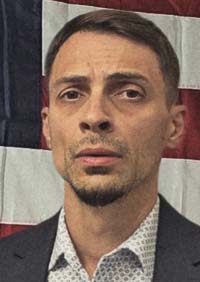
“Our so-called ‘Complete Streets’ plan has become the opposite of common sense. It has reduced traffic lanes, created more bottlenecks, and frustrated the very commuters who keep our local economy alive. Over 90 percent of travel in Vancouver happens by vehicles, yet city planners are deliberately making it harder for us to drive. Trying to force us onto transit, or other modes of travel, some have speculated.
“I am not opposed to bike lanes or pedestrian safety. I am opposed to poor design. We can create alternate bike routes and safe corridors without crippling the main thoroughfares for our residents. A thriving city should be accessible, not congested, and not implemented by force.
“As Mayor, I will demand traffic plans that serve the needs of everyone equally, through smarter engineering, not ideology. East Vancouver residents have made it clear that they do not want these changes forced on them, and I intend to listen.”
Council Position 1
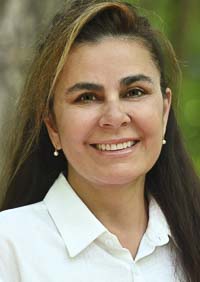
Pooneh Gray: “… removing lanes from Mill Plain Boulevard and 164th Avenue, both of which are highly traveled corridors, will likely lead to even greater congestion and reduce accessibility to local businesses that depend on steady customer traffic.”
“The primary concern at this time involves the McGillivray Boulevard corridor. Neighbors recently filed a lawsuit and are now appealing the decision related to proposed lane reductions.
“McGillivray currently has sidewalks and bike lanes on both sides of the roadway in most areas and serves as a well-traveled east-west connector. Several key community facilities rely on this corridor, including Wy’east Middle School and a local care facility. On certain times of the day, the roadway experiences significant congestion.
“I am concerned that removing a lane in either direction would eliminate substantial amounts of off-street parking, increase congestion — particularly during peak hours and events — and make it more difficult for paramedics and other public safety responders to reach the care facility and nearby neighborhoods in a timely manner.
“Additionally, removing lanes from Mill Plain Boulevard and 164th Avenue, both of which are highly traveled corridors, will likely lead to even greater congestion and reduce accessibility to local businesses that depend on steady customer traffic.
“If lanes are removed on McGillivray, traffic is also likely to divert to Evergreen Boulevard, which currently lacks both sidewalks and bike lanes. Evergreen already sees heavy pedestrian and cyclist use, so additional traffic would increase safety risks for those traveling along that corridor. Because McGillivray already has established sidewalks and bike infrastructure, I believe it may be more equitable and effective to allocate transportation funds to neighborhoods that currently lack basic pedestrian and bike infrastructure rather than re-striping a functioning corridor.”
Council Position 2
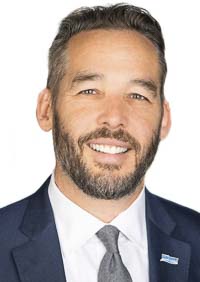
Erik Paulsen: “Complete Streets save lives …”
“Complete Streets save lives and provide opportunities for greater mobility for more city residents. Each complete street project has been designed and implemented using a process and timeline specific to its context. That will continue to be the case for future projects.”
Derek Thompson: “… I wrestle with the idea of fewer vehicle lanes.”
“I think the idea of Complete Streets has good merit; however, I wrestle with the idea of fewer vehicle lanes.”
Council Position 3
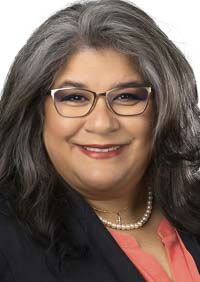
Diana Perez: “… parents feel better knowing their children can bike or walk in a safer street compared to before.”
“Vancouver has made meaningful progress in expanding mobility options, from improved bus rapid transit (The Vine), to enhanced bike lanes, sidewalks, and safe crossings through the Complete Streets ordinance adopted in 2017. But many residents in different parts of the city still face gaps in access, safety, and affordability.
“I understand why some residents are frustrated by changes to our streets and I agree, the process must be transparent, data-driven, and community-led. That’s why I support Complete Streets that work for everyone (drivers, pedestrians, cyclists, and transit riders) without sacrificing safety or mobility. We can improve access and reduce crashes, while still listening and adjusting when needed. This is about building a city that works better for more people. Complete Streets done right means:
Before we remove or reassign lanes, we model traffic impacts, listen to adjacent neighborhoods, and adjust designs.
We maintain alternate routes and preserve critical traffic functions.
We monitor after implementation and be willing to tweak or revert portions that don’t perform.
And ensure that community voices aren’t just heard after decisions are made but that they help shape the decision from the start.
“I will share that I have heard from youth and parents that although it was frustrating to go through the street changes on Fourth Plain, they feel safer walking or biking to school. And parents feel better knowing their children can bike or walk in a safer street compared to before.”
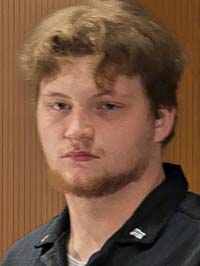
Robert Elkin: “The way the neighborhoods were dismissed and straight out lied to about the process should never happen.”
“Absolutely! What makes sense for one neighborhood may not make sense for another. You cannot enforce a ‘20-minute neighborhood’ when the infrastructure is not in place. Another candidate (Forsman) has talked about putting bicycles and pedestrians on an alternate corridor, one designed for them. This keeps them safer and does not force people to keep paying gas taxes, license taxes and having less options to drive safely to their jobs, or anywhere they need to go.
“The way the neighborhoods were dismissed and straight out lied to about the process should never happen. What does the neighborhood want? should be the first question asked.”
Note: Kim Harless, the incumbent in Position 1, did not respond to the questionnaire.

Also read:
- Opinion: Were Republican voters just sleeping during the August primary election?
 CCRP Chairman Matt Bumala says 60% of primary no-shows in the 17th and 18th districts were Republicans.
 - Opinion: WA Cares’ launch showcased care WA Cares did not provide
 Gov. Ferguson showcased a caregiving arrangement at the WA Cares launch that the program had not paid for a single day of.
 - Auditor, auditor candidate address scrutiny over job title
 Greg Kimsey says roughly 40 county employees hold the deputy county auditor designation Kelly used in his campaign.
 - Opinion: Is Mitchell Kelly misleading voters with his ‘deputy auditor’ claim?
 Clark County HR records show no position called “Deputy County Auditor” has ever existed, Anderson argues.
 - Opinion: Democrats rig the ballot to save their income tax
 Churchill argues the ballot disclosure warning voters of education cuts describes revenue never collected and not yet allocated.
 wpDiscuz