


A fourth consecutive year of drought also means more wildfire risks
Aspen Ford
Washington State Standard
Washington’s Department of Ecology announced a statewide drought emergency Wednesday, marking the fourth consecutive year that part or all of the state has been in a drought.
“We declare drought when water supply drops below 75% of normal,” said Casey Sixkiller, director of Ecology. “This year, every watershed in our state has met that threshold.”
Snowpack in the mountains is at about half of normal.
The emergency declaration follows an above average wet winter where precipitation levels were 104% of what is considered normal. But warmer temperatures limited snowpack growth. Snow turned into rain or melted.
“Last year’s drought was mostly due to low precipitation,” said Karin Bumbaco, deputy state climatologist for the Washington State Climate Office. “This year’s drought is exactly what we expect to see more of in the future.”
“Statewide, the water year average temperature ranks as the third warmest since records began in 1895,” Bumbaco added.
Mountain snowpack acts as a natural reservoir for the state. When it’s low, rivers run low, farmers face water shortages and fish habitat suffers.
“Across our state, water supplies were built around snowpack,” said Sixkiller. “After four years, we’re now seeing that this is no longer a reliable resource.”
And, the forecast doesn’t look much better. Through early summer, warmer and drier conditions are expected.
“Over the past decade, we’ve declared drought seven out of ten years. Drought is becoming the pattern, our new normal,” Sixkiller added.
The declaration unlocks $3 million of funding for response grants and expedites the process of emergency water permits, but officials say the funding isn’t enough.
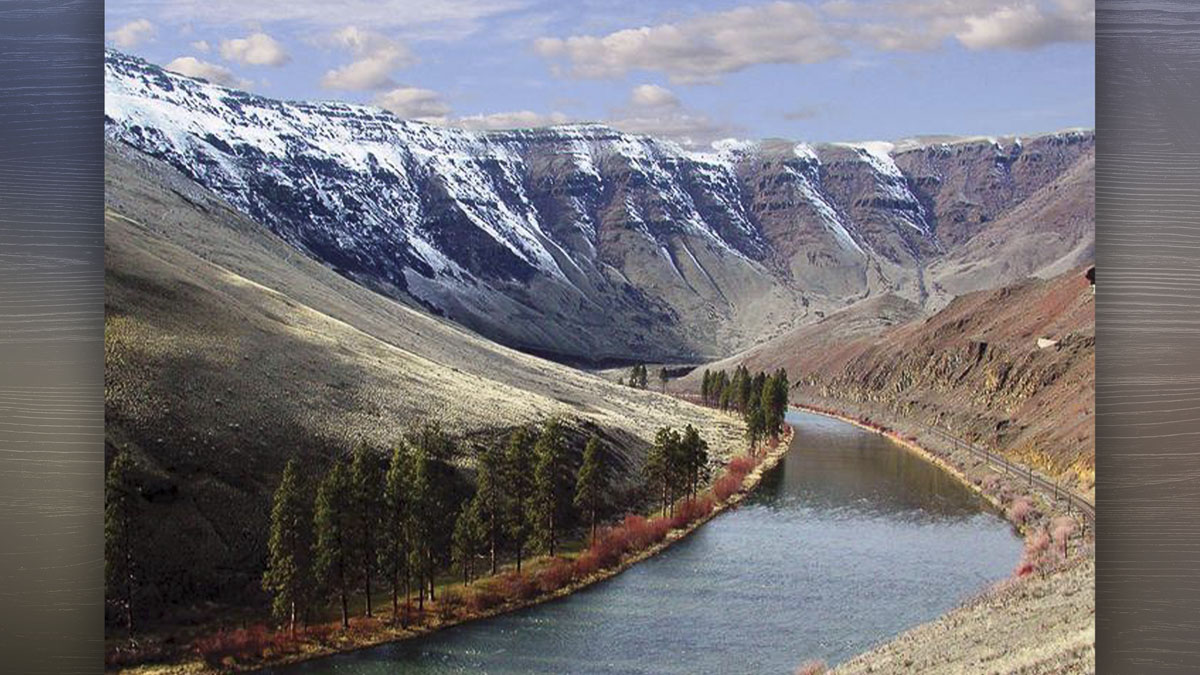
The multi-year drought is felt first and most acutely by farmers in the Yakima River Basin, an agricultural hotspot in the region.
Last October, Ecology implemented an unprecedented restriction on total surface water usage in the Yakima Basin due to dry conditions. Officials said it’s too soon to tell if similar restrictions will happen later this year.
A fourth consecutive year of drought also means more wildfire risks.
“Fires will be more prone to start and will spread more quickly,” said Dave Upthegrove, lands commissioner and head of the Department of Natural Resources, which is the state’s lead wildfire fighting agency.
With more than 90% of wildfires in the state being human-caused, “it’s more important than ever that Washington residents follow the rules as it relates to burning,” Upthegrove added.
Water utilities in the Seattle, Tacoma and Everett areas do not anticipate any impacts on customers.
This report was first published by the Washington State Standard.
Also read:
- Cost to battle 20 wildfires in WA has topped $200M
 Twenty wildfires have cost Washington $207M in one month, more than two-thirds of what DNR spent all last fiscal year.
 - Former State Rep. Liz Pike provides update on husband Neil Cahoon
 Neil Cahoon, a Camas resident, has undergone multiple surgeries including five on Aug. 15 after the Aug. 10 crash near La Center’s Daybreak Airport.
 - Auditor, auditor candidate address scrutiny over job title
 Greg Kimsey says roughly 40 county employees hold the deputy county auditor designation Kelly used in his campaign.
 - Ridgefield Waterfront plans meet resistance: Community voices weigh in
 Residents opposing Ridgefield’s waterfront development cite scale, wildlife impact, and inadequate boat launch parking as key concerns.
 - Gunfire at Hockinson Park leaves one dead; BGHS graduate, UW baseball signee charged with manslaughter
 Trent Richardson, 18, died from a gunshot wound at Hockinson Meadows Community Park; James Gill III charged with second-degree manslaughter.
 wpDiscuz