



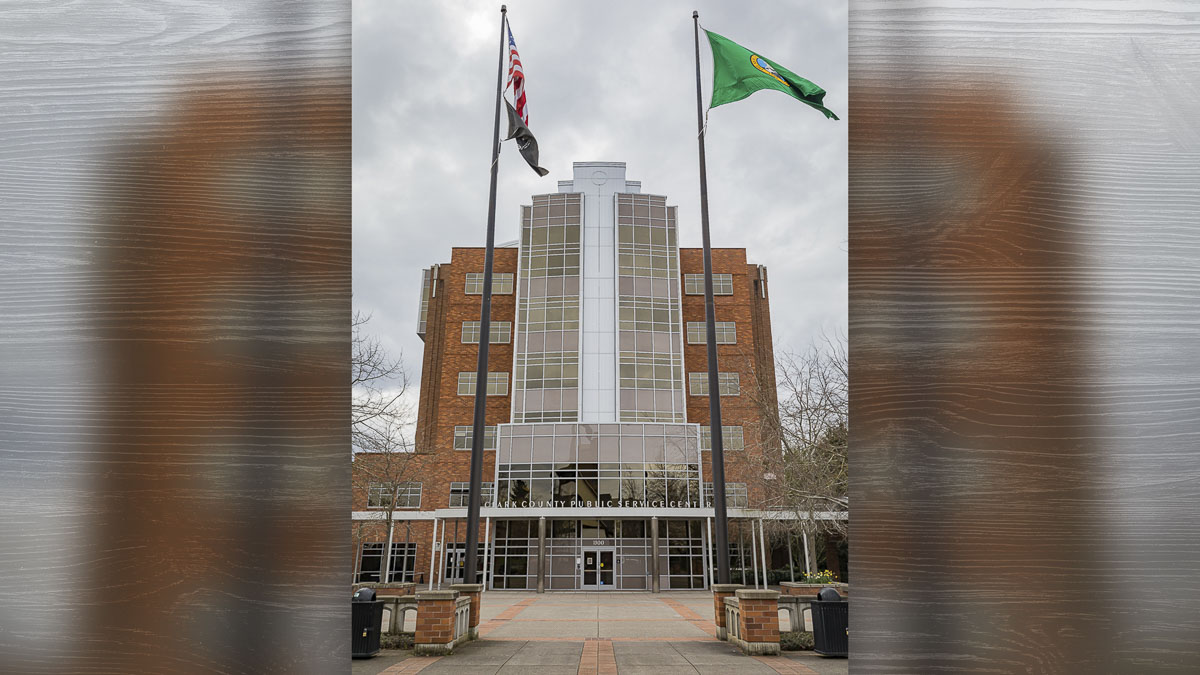
Michelle Belkot was removed from the C-TRAN Board of Directors by her colleagues on the Clark County Council last year, an action that led to lawsuits and a criminal investigation, and now the council appears to be trying to change its rules to justify Belkot’s removal
Paul Valencia
Clark County Today
 See Grok’s analysis of this story
While discussing potential changes to its Rules of Procedure, members of the Clark County Council on Wednesday appeared to acknowledge that they either did not have the authority to remove Michelle Belkot from the C-TRAN Board of Directors in 2025, or at least were not allowed to do so for the reasons they claimed.
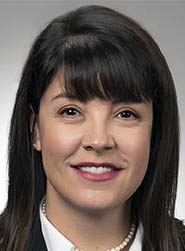
Meeting during Council Time on Wednesday, four councilors discussed the possibility of putting in writing the procedure on how to remove a councilor from a board or commission if, for example, a councilor goes “rogue.” The council also brought up the need to require that a councilor on a board or commission must vote the way the council has directed. Based on Wednesday’s conversations, it is unclear that the council had anything in writing on these topics last year when they removed Belkot from the C-TRAN board.
Last year, Belkot announced her intention to vote for the people of Clark County, against her council’s wishes, to protect taxpayers from having to pay for operations and maintenance costs for light rail on the proposed Interstate Bridge replacement project. Members of the Clark County Council wanted her to vote in favor of allowing the county to pay for O&M costs for a short extension of Oregon’s light rail into downtown Vancouver.
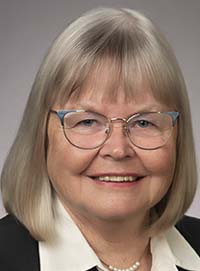
The next day, the Clark County Council voted to remove Belkot from the C-TRAN board.
Lawsuits were filed. Belkot’s suit is still pending. And there was a criminal investigation that concluded that four members of the council — Chair Sue Marshall along with Councilors Wil Fuentes, Glen Yung, and Matt Little — violated the Open Public Meetings Act and County Manager Kathleen Otto could be charged with Official Misconduct.
Belkot said all along that she was under no obligation to vote on the council’s direction, noting that it has never been part of the county charter nor Rules of Procedure.
Now, the four members of the County Council are looking to put in writing that council-directed votes be followed through by any member on a board or commission.

“Is this giving the council the ability to direct votes?” Clark County Chair Sue Marshall asked Otto, the county manager, on Wednesday.
“Yes,” Otto replied.
“I would be supportive of that,” Marshall said.
If this is the proposed new language, does that mean that Belkot was correct when she said it was not a rule in 2025?
“I’m interpreting this as they are feeling like they are guilty,” Belkot said via phone interview Wednesday night. Belkot was out of town Wednesday and did not attend Council Time. (She did have a couple of texts read to the other councilors at the meeting. More on that below.)
Belkot said that the requested changes in language are directly related to her removal from the C-TRAN board last year.

“We need to correct this so we are not guilty,” Belkot said, imagining what the other councilors were thinking on Wednesday.
“It’s like they are confirming they are guilty.”
Otto reminded the councilors on Wednesday that there is language on how to appoint councilors to boards and commissions.
There did not seem to be language on how to remove a councilor.
Councilor Glen Yung said: “I would just suggest that a councilor can be removed from any one of their board or commission assignments when the collective of the council chooses to do so. We are the ones who decide who is on them. We are also the ones who can decide if somebody needs to be removed.”
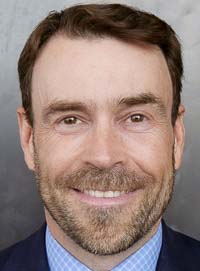
Marshall agreed, noting that is “the assumption we were operating on.”
Councilor Wil Fuentes wants to make things more clear than an assumption.
“There is specific language about appointing committee members and board members. As Councilor Yung mentioned earlier, if we can appoint, then we can certainly remove. What we’re attempting to do now is provide clear language on the removal process,” Fuentes said.
Councilor Matt Little replied: “I don’t think it’s necessary.”
Fuentes responded: “I do. We’re in that situation right now where I believe it requires that we be a little more explicit of our authority to be able to remove councilors who go rogue.”
Belkot said that comment was directed at her.
“He was talking about me because they don’t like the way I vote. They want to be able to remove me whenever they see fit,” she said.
Also, Belkot wondered, is it “going rogue” when it was never required to vote a certain way?
Belkot added that video from Wednesday’s Council Time will surely be sent to her lawyer.
None of what was discussed Wednesday has been finalized. There will be more discussion and a time for public comment in the future.
Belkot said she will be fighting the proposed mandate that councilors must vote on boards/commissions exactly what has been directed to them by the council.
“That’s not in our charter and never has been,” Belkot said. “What is the purpose of being elected if we can’t represent our constituents? Each of our districts has unique issues. My district doesn’t want anything to do with annexation, nor do they want light rail, or tolling. They don’t want it. Maybe it’s different in Glen Yung’s district.”
Belkot also sent her own shot toward the other councilors via text messages that were read by Otto to the council on Wednesday.
Paraphrasing the texts, a councilor will be removed from a board or committee if they have committed a crime.
Belkot later told Clark County Today that she meant to text, “If they have committed a crime, i.e. Open Public Meetings Act violations, they should be removed from a board or committee.”
Belkot said she intends to clarify her text message next week.
The Skamania County Sheriff’s Office, which ran the criminal investigation regarding Belkot’s case after her removal from the C-TRAN board, put in writing that members of the council did violate the OPMA last year. (It also should be noted that Little, who did initially vote to remove Belkot from the C-TRAN board, did change his vote at the next council meeting, in support of keeping Belkot on the C-TRAN board.)
The sheriff’s report was forwarded to the office of the Clark County Prosecuting Attorney Tony Golik. The report’s recommendation of charges are not binding.
In November, Golik texted Clark County Today that his office will ask another jurisdiction to review the report, due to potential conflicts of interest. Since then, repeated requests by Clark County Today for an update on the progress of the case have been unanswered.

This independent analysis was created with Grok, an AI model from xAI. It is not written or edited by ClarkCountyToday.com and is provided to help readers evaluate the article’s sourcing and context.
Quick summary
The Clark County Council discussed proposed updates to its Rules of Procedure on Jan. 15, 2026, including adding explicit language authorizing the council to remove councilors from boards or commissions and requiring appointed councilors to vote as directed by the council. Councilor Michelle Belkot argued the proposals support her claim that the council lacked clear authority when it removed her from the C‑TRAN board in 2025.
What Grok notices
- Quotes multiple council members—Sue Marshall, Glen Yung, Wil Fuentes, and Matt Little—describing why they believe clearer removal and directed‑voting language is needed for consistency and governance.
- Connects the rule‑change discussion to Belkot’s 2025 removal from the C‑TRAN board and related litigation, framing the proposed edits as part of an ongoing dispute over authority and procedure.
- Provides additional legal/process context by referencing OPMA‑related findings involving the Skamania County Sheriff’s Office and noting that a criminal review is ongoing, as reported.
- Captures Belkot’s argument that adopting explicit authority now suggests prior overreach, while also noting the council had not reached final decisions during the discussion.
- Signals further verification steps for readers—watching the full Council Time video and tracking when (and whether) public comment or formal votes occur on the rule revisions.
Questions worth asking
- If councilors on outside boards are required to vote as directed, how might that affect their ability to represent district‑specific interests or respond to new information during meetings?
- Would formalized removal procedures increase transparency and accountability, or could they make board assignments more vulnerable to political turnover?
- How might these proposed rules intersect with ongoing legal challenges tied to Belkot’s removal, including arguments about prior authority and due process?
- How do other Washington counties structure appointment, removal, and voting directives for council members serving on regional boards?
- What safeguards—clear standards, notice requirements, recorded votes, or appeal processes—could reduce the risk of the rules being used for retaliation?
Research this topic more
- Clark County Council – agendas, minutes, and Rules of Procedure
- Clark County Code – charter and board appointment provisions
- Washington State Open Public Meetings Act – compliance guidance and resources
- Washington State Legislature – RCWs relevant to local government boards and authority
- MRSC – local government governance resources and best‑practice guidance

Also read:
- State Representatives McClintock and Ley answer questions at town hall in Battle Ground
 Residents voiced rising concerns about property taxes, school funding debates, the impact of new income tax legislation, and major costs tied to the Interstate Bridge plan.
 - As Washington gets an income tax, the fight to overturn it begins
 Opponents are organizing lawsuits and potential ballot measures to challenge the new 9.9% income tax on Washington households earning over $1 million.
 - VIDEO: WA diesel hits record $6.53, crushing truckers and school budgets
 With diesel nearing $6.53 per gallon in Washington, trucking businesses and school districts now confront sharply higher fuel expenses affecting budgets and workers.
 - WA’s status solidifies as one of the most expensive places in US
 A new study shows Washington outpaces most states on cost of living, with metrics revealing a sharp rise in daily expenses and major metro areas ranking among the nation’s most expensive.
 - Opinion: Someone explain the Democrat Party to me please
 Lars Larson criticizes Democrat politicians for shutdown threats, Homeland Security funding refusals, and positions on election laws, housing, and gun rights.
 wpDiscuz
