


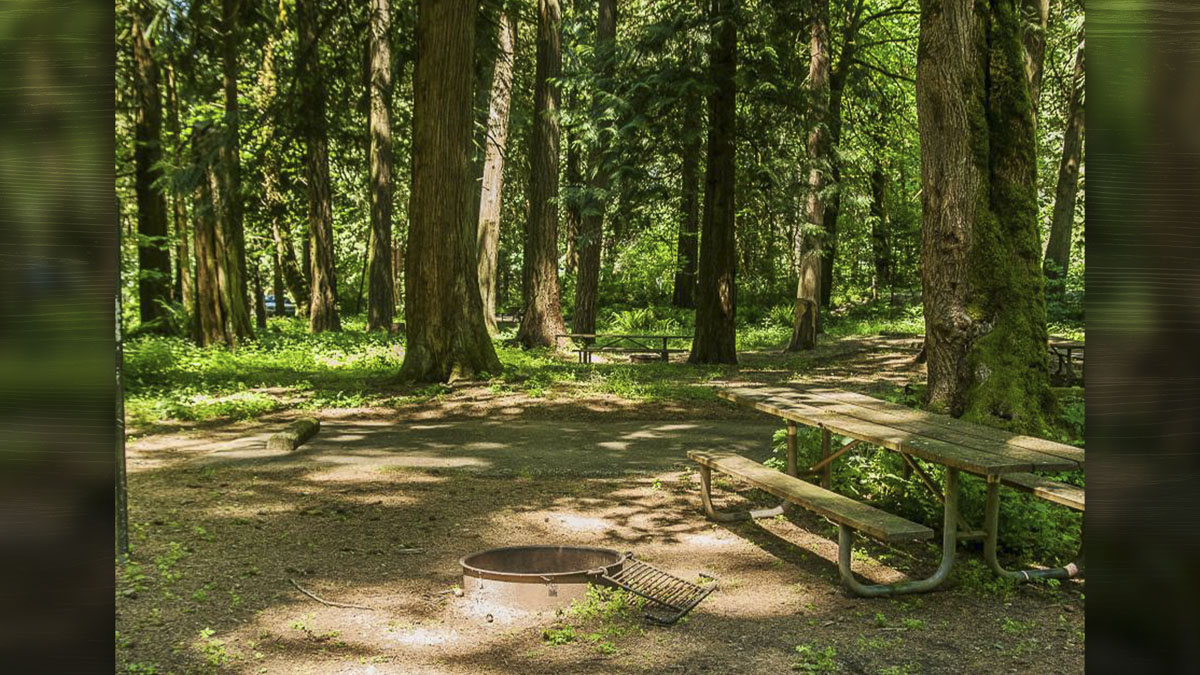
Lawmakers during this year’s legislative session approved raising the price of the annual state public lands pass to $45 from $30
Bill Lucia
Washington State Standard
Sales of Washington’s pass to access state parks and other recreation areas fell after an Oct. 1 price hike, but fee collections increased.
Figures presented to the state Parks and Recreation Commission on Wednesday show a 23% drop in the number of annual Discover Pass sales in October, compared to last year. Revenue from the passes climbed 16% year-over-year. Day pass sales and revenue slipped 2%.
The decline in annual pass sales was anticipated. Even with fewer sales, the state expects to bring in more money with this fall’s $15 price increase.
“Definitely in the annual pass, we did well for revenue,” said Laura Holmes, State Parks’ administrative services director, told the commission. “We’re right on track with projections.”
Lawmakers during this year’s legislative session approved raising the price of the annual state public lands pass to $45 from $30. Transaction fees can apply too, including a $5 charge for online sales. It was the first price increase since the pass system was established in 2011.
Discover Passes are required for motor vehicle access to state parks and other recreation sites. Combined with camping fees, revenue from the passes makes up about three-quarters of Washington State Parks’ income for the fiscal year that began July 1.
The agency predicts that Discover Pass sales will fall by an average of about 15% over the current two-year budget cycle.
Holmes noted the dip in October came after more people purchased passes in September, before prices went up.
“We were significantly over projections there,” she said, referring to September sales.
State Parks’ operating budget is about $258 million, and its construction budget is around $148 million. So far, the agency’s revenue is about $1.1 million, or 2%, ahead of expectations for this budget biennium, which runs through June 2027.
The agency saw its operating budget trimmed by nearly $15 million as lawmakers bridged a budget gap this year. Officials said that the cuts would not result in significant reductions in services or access for visitors to state-run park and recreation sites.
Some Discover Pass revenue also goes to the Department of Fish and Wildlife and the Department of Natural Resources. But Washington State Parks receives the lion’s share. The figures in Wednesday’s report reflect overall revenue and sales for the passes, not just the portion going to State Parks.
The state park system is on track to have about 40 million annual visitors through the end of 2025, about a 1% increase over last year. State parks are separate from national parks and other federally-managed land open to recreational visitors in Washington.
Last week, State Parks announced 12 days in 2026 when visiting state recreation lands will be free, with no Discover Pass required. The first is New Year’s Day.
This report was first published by the Washington State Standard.
Also read:
- Opinion: Were Republican voters just sleeping during the August primary election?
 CCRP Chairman Matt Bumala says 60% of primary no-shows in the 17th and 18th districts were Republicans.
 - High school football: New coach prepares for long-term success at Prairie High School
 James Young-Lewis, a Clark County native who graduated from Evergreen in 2009, became Prairie’s head coach in May after working as an assistant coach across various programs since 2015, joining Prairie’s staff in 2024.
 - Cost to battle 20 wildfires in WA has topped $200M
 Twenty wildfires have cost Washington $207M in one month, more than two-thirds of what DNR spent all last fiscal year.
 - Opinion: WA Cares’ launch showcased care WA Cares did not provide
 Gov. Ferguson showcased a caregiving arrangement at the WA Cares launch that the program had not paid for a single day of.
 - Former State Rep. Liz Pike provides update on husband Neil Cahoon
 Neil Cahoon, a Camas resident, has undergone multiple surgeries including five on Aug. 15 after the Aug. 10 crash near La Center’s Daybreak Airport.
 - Opinion: Portland’s War on Cars Part 4 – A smarter automobile strategy to end gridlock
 O’Toole argues fuel wasted in Portland-area congestion has sextupled since 1982, generating 250,000 tons of extra greenhouse gases annually.
 - $1,000 first prize for Camas Plein Air Art Event honoring Marquita Call on Sept. 26
 Plein air artists compete Sept. 26 in Camas for $1,000 first prize honoring gallery founder Marquita Call.