


PFAS are synthetic chemicals, known as ‘forever chemicals,’ due to their persistence in the environment
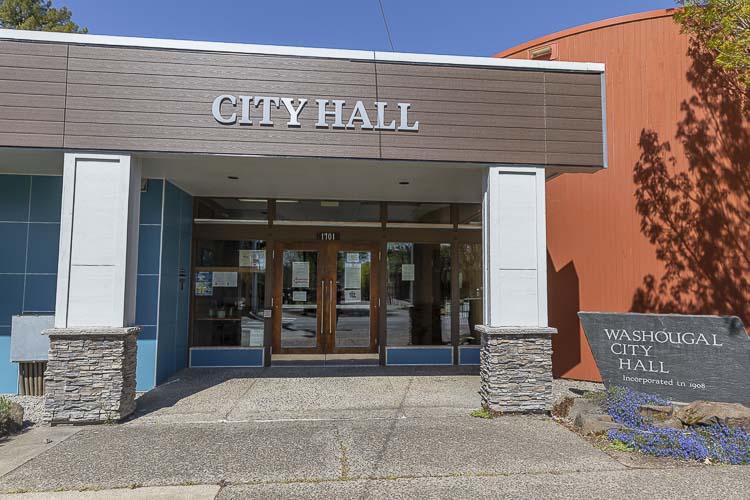
The city of Washougal is committed to keeping residents informed about the quality of their drinking water. Recent testing results show a downward trend in PFAS (per- and polyfluoroalkyl substances) levels, with levels now down to just two wells approaching the EPA’s adopted limit of 4 parts per trillion (ppt). This represents a reduction of 0.53 ppt from the previous sample taken in May 2024.
PFAS are synthetic chemicals, known as “forever chemicals,” due to their persistence in the environment. They have been used in various consumer products and industrial processes since the 1940s. In response to the latest EPA guidelines, the City has been actively monitoring and addressing PFAS levels in the water supply. PFAS levels can fluctuate due to variations in sources, environmental conditions, water supply changes, and the movement of PFAS through the environment.
“Although we are pleased to see recent improvements in PFAS levels, we remain committed to ongoing monitoring and evaluation. Our goal is to ensure that our drinking water remains safe and dependable,” said Public Works Director Trevor Evers.
The city of Washougal’s ongoing initiatives include:
- Testing the water supply: Operations staff continue to test and monitor water quality in compliance with state and federal requirements to ensure a safe water supply.
- Evaluating treatment options: Water quality engineers are evaluating treatment technologies to remove PFAS from the water supply.
- Finding long-term solutions: Expert scientists are investigating potential sources of PFAS and the extent of PFAS in the local groundwater supply.
- Planning for the future: Future costs for PFAS treatment are included in the City’s long-range capital plans.
The newly adopted EPA regulations emphasize the importance of monitoring PFAS levels and taking corrective actions as needed. The City will continue to provide regular updates on testing results on a quarterly basis and efforts to manage PFAS. The next testing cycle will be in October 2024.
“We are dedicated to transparent communication with our residents,” said City Manager David Scott. “Our goal is to ensure that you are kept informed about the quality of your drinking water and the steps we are taking to maintain its safety.”
Residents can access the latest information on PFAS testing and mitigation efforts on the City’s website at https://cityofwashougal.us/PFAS.
For broader statewide PFAS data, visit the Washington State Department of Health’s PFAS Dashboard at https://doh.wa.gov/data-and-statistical-reports/washington-tracking-network-wtn/pfas/dashboard.
About city of Washougal
The city of Washougal provides clean and safe drinking water to over 18,000 residents across 83 miles of watermains and service lines. Committed to environmental stewardship and public health, the city continuously strives to meet and exceed regulatory standards for water quality.
Also read:
- Opinion: Were Republican voters just sleeping during the August primary election?
 CCRP Chairman Matt Bumala says 60% of primary no-shows in the 17th and 18th districts were Republicans.
 - High school football: New coach prepares for long-term success at Prairie High School
 James Young-Lewis, a Clark County native who graduated from Evergreen in 2009, became Prairie’s head coach in May after working as an assistant coach across various programs since 2015, joining Prairie’s staff in 2024.
 - Cost to battle 20 wildfires in WA has topped $200M
 Twenty wildfires have cost Washington $207M in one month, more than two-thirds of what DNR spent all last fiscal year.
 - Opinion: WA Cares’ launch showcased care WA Cares did not provide
 Gov. Ferguson showcased a caregiving arrangement at the WA Cares launch that the program had not paid for a single day of.
 - Former State Rep. Liz Pike provides update on husband Neil Cahoon
 Neil Cahoon, a Camas resident, has undergone multiple surgeries including five on Aug. 15 after the Aug. 10 crash near La Center’s Daybreak Airport.
 - Opinion: Portland’s War on Cars Part 4 – A smarter automobile strategy to end gridlock
 O’Toole argues fuel wasted in Portland-area congestion has sextupled since 1982, generating 250,000 tons of extra greenhouse gases annually.
 - $1,000 first prize for Camas Plein Air Art Event honoring Marquita Call on Sept. 26
 Plein air artists compete Sept. 26 in Camas for $1,000 first prize honoring gallery founder Marquita Call.