



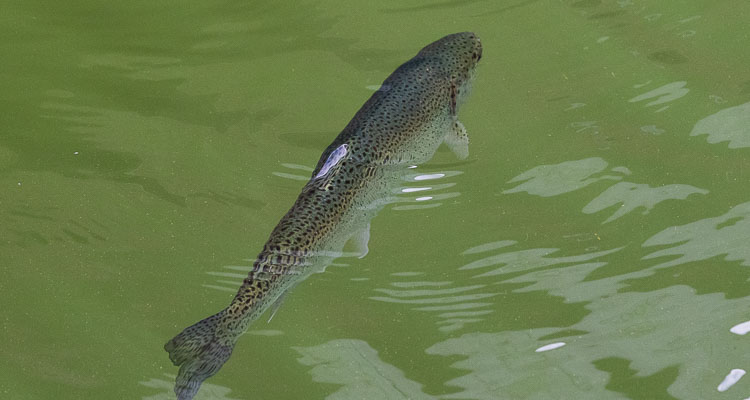
The strategy also includes a commitment to the implementation of the Washington Hunting and Angling Recruitment, Retention, and Reactivation Plan to support hunters and anglers
OLYMPIA – The Washington Department of Fish and Wildlife (WDFW or Department) today announced the publication of its 10-year strategy for managing outdoor recreation on over 1 million acres of WDFW-managed lands. The document will guide the Department’s efforts to respond to increasing demand for access, make public lands more welcoming to diverse visitors, and protect critical resources.
“Enthusiasm for outdoor recreation reached new peaks during the pandemic and we expect the pace to continue in the years to come,” said WDFW Director Kelly Susewind. “This strategy will allow us to continue welcoming people to enjoy these beautiful places, while also reducing impacts to natural, cultural and tribal resources.”
WDFW identified six initiatives as part of the strategy: recreation planning, education and engagement, use and impact monitoring, rulemaking, travel management, and capacity and funding. The strategy also includes a commitment to the implementation of the broader agency Washington Hunting and Angling Recruitment, Retention, and Reactivation (R3) Plan to support hunters and anglers both on and off WDFW-managed lands, while also welcoming new visitors and outdoor enthusiasts.
“This strategy is ambitious and a big step forward in envisioning a more inclusive and sustainable future for outdoor recreation on WDFW-managed lands,” said WDFW Lands Division Manager Cynthia Wilkerson. “We appreciate everyone who took the time to share their thoughts and ideas with us throughout this process. We also look forward to ongoing engagement during its implementation to help garner the support necessary to build our capacity for success.”
The published document followed a two-year planning process with extensive tribal government, partner and stakeholder engagement and public feedback, culminating with a public comment period that garnered more than 600 comments in winter 2022. WDFW staff briefed the Washington Fish and Wildlife Commission on the strategy during its August meeting .
To view the strategy, visit https://wdfw.wa.gov/publications/02293.
By actively managing lands, restoring habitats, and preserving wild places, WDFW serves as stewards for Washington’s natural places, protecting the state’s land and water for its human and wildlife populations.
Also read:
- Opinion: Small things grow great by concord
 Washington’s initiative process gives citizens direct power to challenge lawmakers. Failed restrictions and new measures on girls’ sports, parental rights, and citizenship prove the influence of grassroots action.
 - Opinion: California’s $20 fast food minimum wage creates less jobs and lower income
 Study data show California fast food workers now face fewer shifts, higher menu prices, and widespread automation after the $20 wage hike.
 - Gov. Ferguson signs law to undo WA estate tax increase enacted last year
 Washington rolls back its estate tax hike, restoring previous rates and prompting uncertainty around $340 million in expected revenue for education.
 - Vancouver house fire displaces residents
 Crews from Vancouver Fire Department stopped a living room blaze from spreading, but five residents were forced out due to lingering smoke.
 - VIDEO: Vote-by-mail rules in WA at risk in SCOTUS election law case
 More than 127,000 Washington ballots postmarked by Election Day but received after could be disqualified under a possible Supreme Court ruling, prompting debate from both parties.
 - Rounding out debate, Gov. Ferguson signs bill addressing retailers’ penny problem
 A new Washington law lets merchants round cash purchases to the nearest 5 cents, aiming to manage change as shortages of pennies affect both businesses and customers.
 - Opinion: State is rightly emphasizing experience and skills, not degrees
 Elizabeth New explains how a new state policy removes unnecessary advanced degree requirements, supporting skills-based employment and broadening opportunities for capable workers.
