



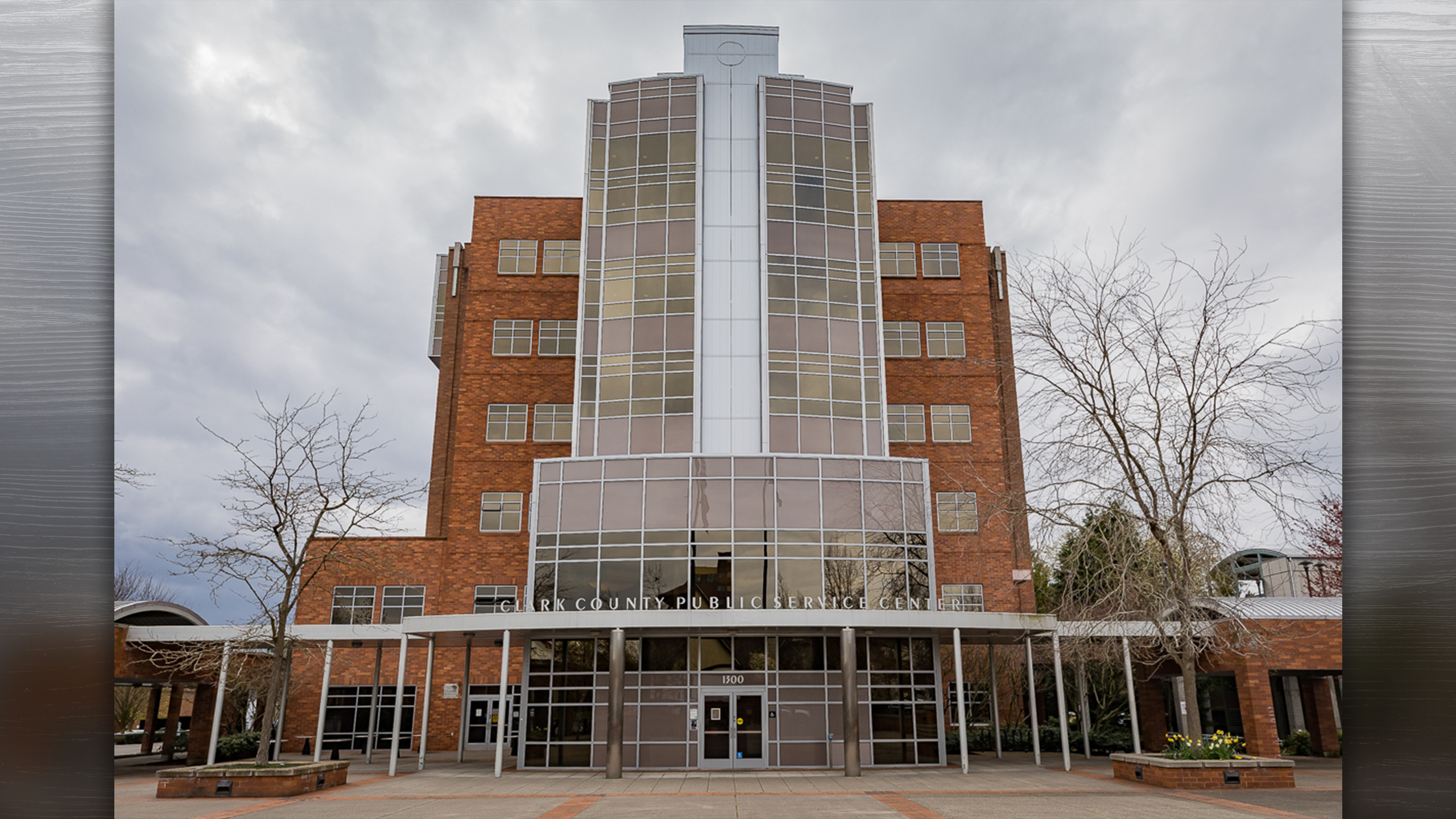
Paul Guppy says holding the right officials accountable is the first step to restoring trust and fiscal sanity to our government
Paul Guppy
Washington Policy Center
Many homeowners think their property value alone determines how much property tax they pay, and that when the county assessor updates home values, their taxes go up. Neither assumption is true.
Property tax increases are not automatic, nor are they imposed by the county assessor. Instead, the high financial burden is imposed by elected state legislators and the local board and council members of Washington’s 39 counties, 281 cities and more than 1,400 other taxing districts.

Once elected officials in a taxing district decide the total dollar amount they want to get, the assessor apportions that amount among the district’s property owners, based on each parcel’s market value. It is a budget-based tax system, and that is the source of most of the confusion over who is responsible for raising property taxes.
Most people are familiar with rate-based tax systems, like the state sales tax or the federal income tax. Under a rate-based system, elected officials set a percentage rate in law, then sit back and wait for the money to roll in. They don’t know how much revenue they will get. That is determined by market forces, consumer behavior and a host of other factors. Rate-based tax revenue can’t be known in advance; it can only be estimated.
In a budget-based system like the property tax, elected officials first decide how much money they want, then pass a law containing that dollar amount. The county assessor then divides that total dollar amount among all the property owners in a given area. The result is a unique tax rate that is only in effect for one year. The rate is expressed as so many dollars per $1,000 of assessed property value.
Politicians like this system for two reasons. First, they get to decide up front how much money they receive – there’s no guessing involved. Second, the blame for who raised your taxes is disguised by the complicated math required to calculate each year’s tax rate, which is why the guy or gal doing the calculating – the local assessor – often gets blamed.
The difference between the two systems can be expressed like this:
• Rate -based system: Tax rate times tax base = revenue.
• Budget-based system: Revenue divided by tax base = tax rate.
One home may fall under the control of 10 or more taxing districts. The same homeowner is taxed by the state, the county and possibly a city or town, plus whatever school, port, library, fire, hospital, transit, road, sewer, water, flood control or noxious weed district in which it happens to be located. For those living in parts of King, Snohomish and Pierce Counties, Sound Transit takes a bite too.
Voters passed Initiative 747 to limit the rise of the property tax burden to 1% a year. This limit, while highly popular, is only partially successful. Officials have developed a number of work-arounds, like collecting extra taxes for new construction and re-modeling work. Another tactic is to underfund core public services, then go to voters with a budget “crisis” to get more taxing authority (the 1% limit doesn’t apply to voter-passed levies). After all, who is going to vote against funding parks, hospitals and schools? That is why you’ll never see, say, a government pay raise on the ballot.
Some local officials do work to slow the rising financial burden of government. They understand the pain of high taxes and impose a zero increase or an increase below the 1% limit. By limiting the regular tax, they are passing the benefit of the natural growth in the tax base to their citizens.
For example, if a new home goes up in the neighborhood and local officials hold regular property tax collections flat, the tax on all existing homes will go down as the newcomer assumes part of the burden. In communities where local officials view new construction as simply giving them “extra” money, existing homeowners receive no relief at all when new taxpayers are added to the rolls.
If it all sounds complicated, that’s because it is. Some unscrupulous officeholders take advantage of the confusion by telling people they voted to lower the property tax rate, knowing full well that rising home values will mean a higher tax and more revenue for themselves.
That is why it is important for all of us to know exactly who is responsible for what in our government. Holding the right officials accountable is the first step to restoring trust and fiscal sanity to our government.
Paul Guppy is a senior researcher with the Washington Policy Center.

Also read:
- Dollars flowing into a pair of hotly contested WA congressional races
 Amanda McKinney leads 4th District GOP field with $523,892 raised, while Braun trails significantly behind incumbent.
 - Final Supplemental Environmental Impact Statement published for Interstate Bridge Replacement Program
 Federal agencies published the final environmental impact statement for the Interstate Bridge replacement project.
 - Belkot appeals judge’s decision to dismiss her case against Clark County
 Belkot’s attorney says the federal appeals court will hear the case in several months after judge dismissed all five claims.
 - Opinion: Tax day is painful enough without Washington adding its own
 Washington’s new 9.9% income tax mirrors federal pattern: start narrow, expand to hit everyone within years.
 - Marie Gluesenkamp Perez seeks federal assistance in combating sea lion predation of salmon & steelhead fishing stock
 Congresswoman pushes for expanded lethal removal authority as sea lions devour Columbia River fish stocks.
 wpDiscuz
