



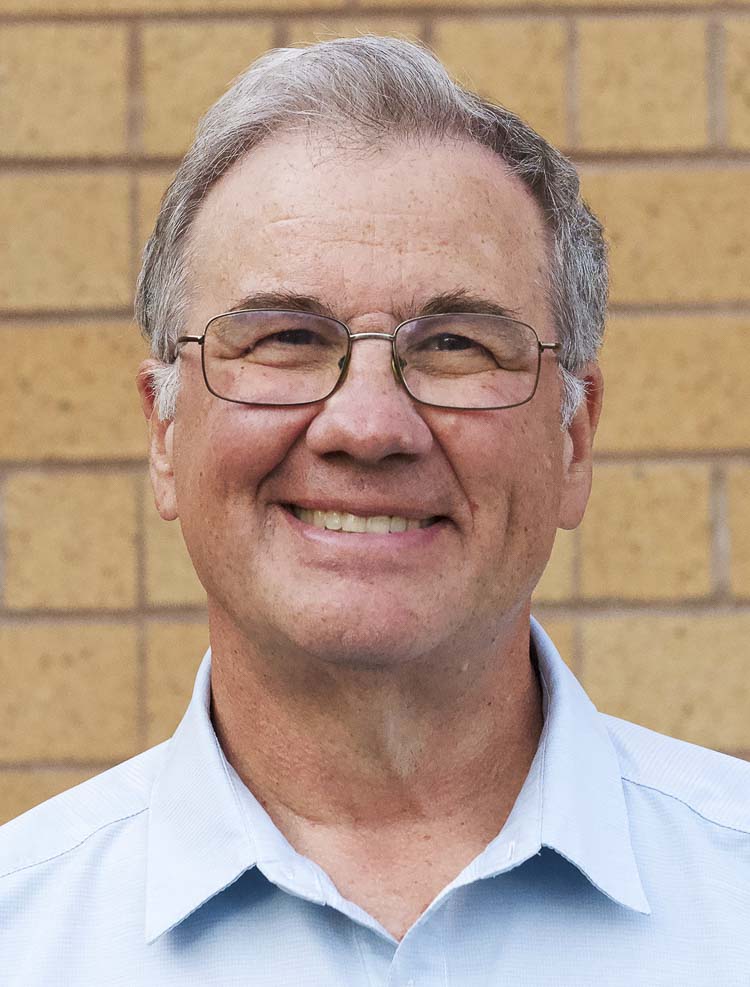
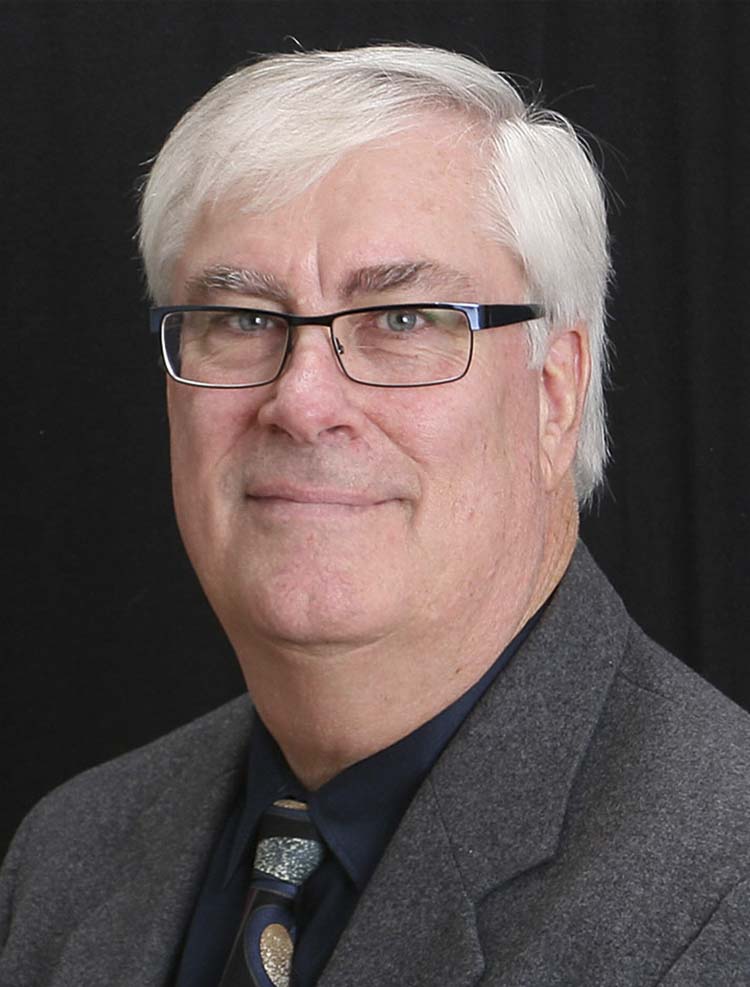
Clark County residents Dick Rylander and Larry Roe offer the first of a series of columns on funding for public schools
Dick Rylander & Larry Roe
for Clark County Today
Washington State public schools are at the center of a financial bubble and standing at the precipice of failures. As a state we have promoted the institution of public schools as the vehicle to improve our community. Pundits have jumped on board to promote platforms for advocates to suggest many education programs that will make our schools and our communities better (S.E.L.; PBIS; Common Core, DEI and other programs). Our politicians have responded by enacting laws that define how the public school system will implement the ideas (without testing their applicability or impact). Infusions of funding have come from Olympia and Washington D.C. to jump start these programs. The public is being asked to continue (and expand) the funding at the local level. However, we are running short on cash.
Financial troubles in school districts used to be rare. The only time in the last 25 years that the State closed a school district for financial insolvency was in 2007; the Vader school district was dissolved and the Castle Rock school district was enlarged to provide an education for Vader students. More recently, the Marysville school district failed to plan to operate within its means. The Marysville SD has received operational support from the State and the State has frozen hiring of any staff who are not classroom certified and taken over approval of all district expenditures over $25,000.
In November, 2024, the Washington State School Directors Association met and forecast that the number of Washington school districts that are operating beyond their means will increase from 5 to 30 next year. These districts will need state monies to meet their financial commitments. The state auditor assessed the Marysville S.D. finances and was alarmed enough to assess all of the 295 school districts in Washington state for financial health. 68 districts were judged to be in “good” financial health, 45 were in “cautionary” financial health and 182 (including the Marysville S.D.) were in “concerning” financial health. Most importantly, all of the top twenty school districts in terms of enrollment are in the “concerning” category and eight out of nine students in the state are enrolled in schools whose finances are “concerning” to the Washington State auditor. None of the school districts in Clark County are in “good” financial health.
Our state politicians have gone quiet on educational funding. For the first time in recent memory funding wasn’t a top campaign priority for either major political party. The budget in Olympia is strained with a projected shortfall of $10 – $12 billion over the next four years. The federal government is uniformly concerned about overspending on K-12 education. Change is required now. We cannot continue the budget and spending process that we have been using.
Taxes are increasing at every government level. Wages trail the cost of living. Inflation in the past 4 years has hit a 40 year high. Washington state is one of the 5 most expensive states to raise a child. According to OSPI (Office of Superintendent of Public Schools) we spend, on average across the State, over $18,500 per student per year…making us one of the higher spending states. Test scores are terrible.
We need to take the opportunity to revisit K-12 education and put everything on the table. We need to find ways to be more effective while reducing costs. If we don’t the implosion will happen. Stay tuned for additional articles with more data and recommended solutions.

Also read:
- Opinion: Half the road, full stop – Understanding pedestrian right-of-way
 Doug Dahl explains how Washington’s law requires drivers to stop when a pedestrian is within one lane of their half of the road, not just when directly in front.
 - Opinion: The state’s RFK-proofing bill comes with a cost
 Mandates like HB 2242 can lead to higher premiums as insurance companies absorb costs for new preventive services, affecting affordability statewide.
 - Opinion: What is the cost of a bridge?
 John Ley argues the I-5 Bridge replacement’s soaring cost stems from costly extras like light rail, noting other states deliver larger, toll-free bridges for much less.
 - POLL: Do you agree with giving a state commission the power to remove an elected sheriff?
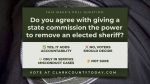 A new poll asks if a state commission—not voters—should have the power to remove an elected sheriff, following concerns raised by Clark County Sheriff John Horch.
 - Opinion: Defending Democracy by denying it?
 Washington voters are blocked from weighing in on new income taxes as state lawmakers and officials bypass public input, drawing criticism from Northwest voices.
