



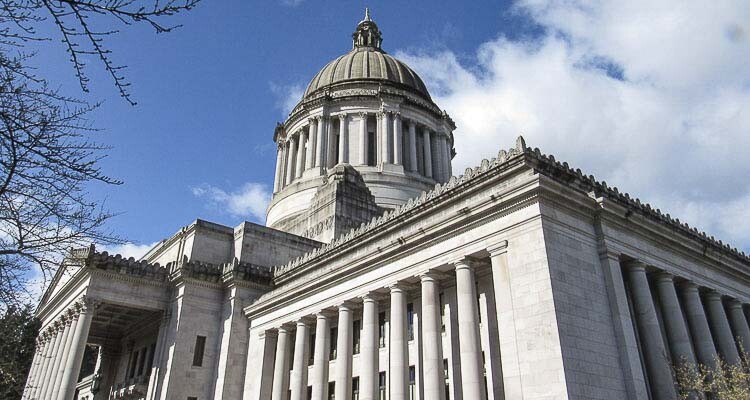
Washington’s ranking at 32 rests on issues around government efficiency (ranked 33rd) and regulatory freedom (40)
Chris Corry
Washington Policy Center

Pullman Washington-based Schweitzer Engineering Laboratories published their 2023 Index of Freedom report. SEL is a global leader in creating products that protect, control, and automate power grids worldwide.
The report ranks all 50 states based on government efficiency, regulatory freedom, and energy resiliency. The top-performing states for 2023 were Utah, South Dakota, North Dakota, Idaho and Nevada. New Jersey, California, Maine, Vermont, and New York were the worst-performing states. Washington came in at 32 on the list (an improvement from 36 in 2022).
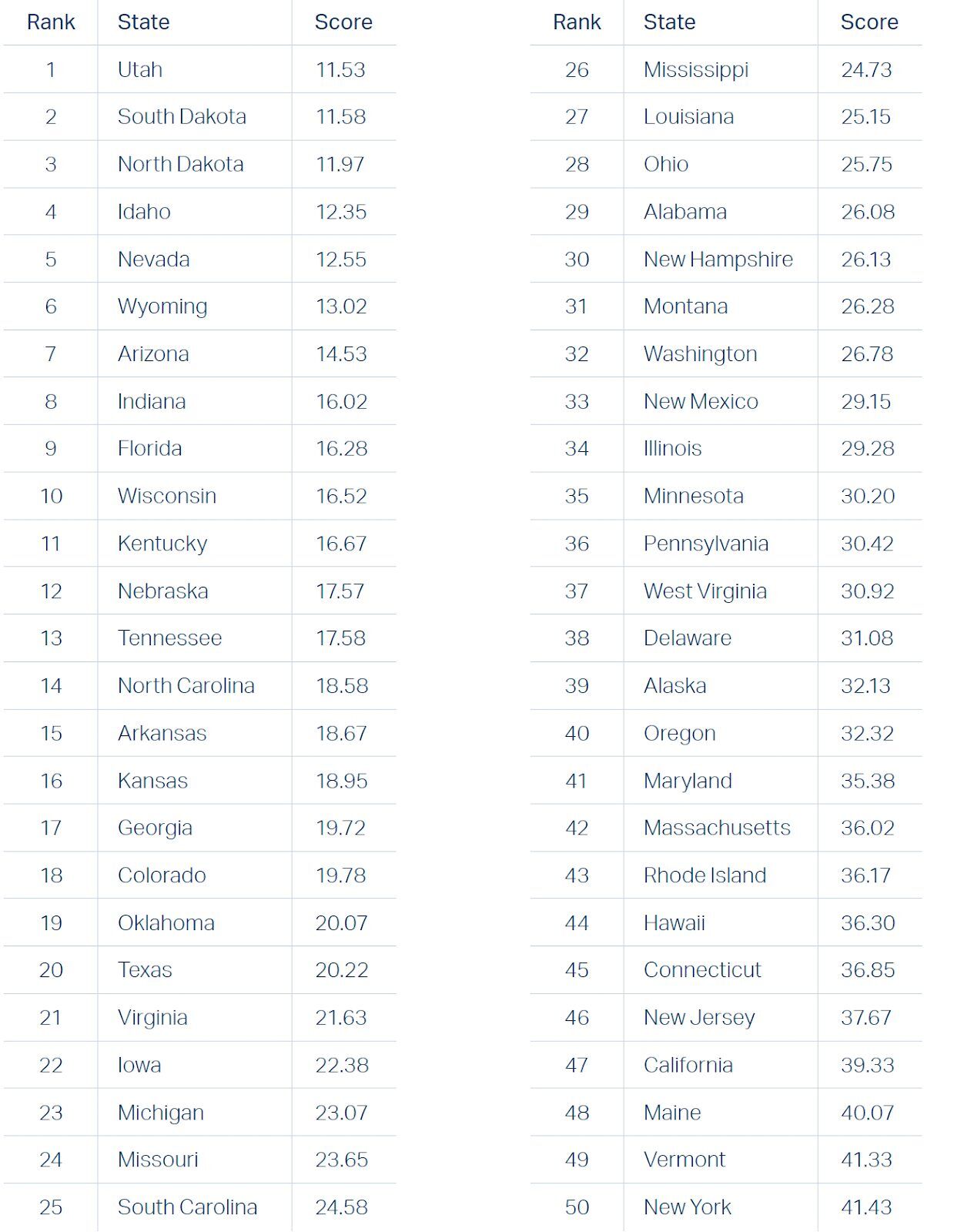
The report’s methodology for government efficiency, regulatory freedom, and energy resiliency breaks down multiple source reports on a weighted basis. For example, in energy resiliency, the report uses the Citizens Utility Board and EPA reports for affordability rankings (45%), reliability rankings (45%), and electric deregulation (10%).
The SEL report focuses on states where they have physical operations, including Washington, Idaho, Indiana, North Carolina, and Arizona.
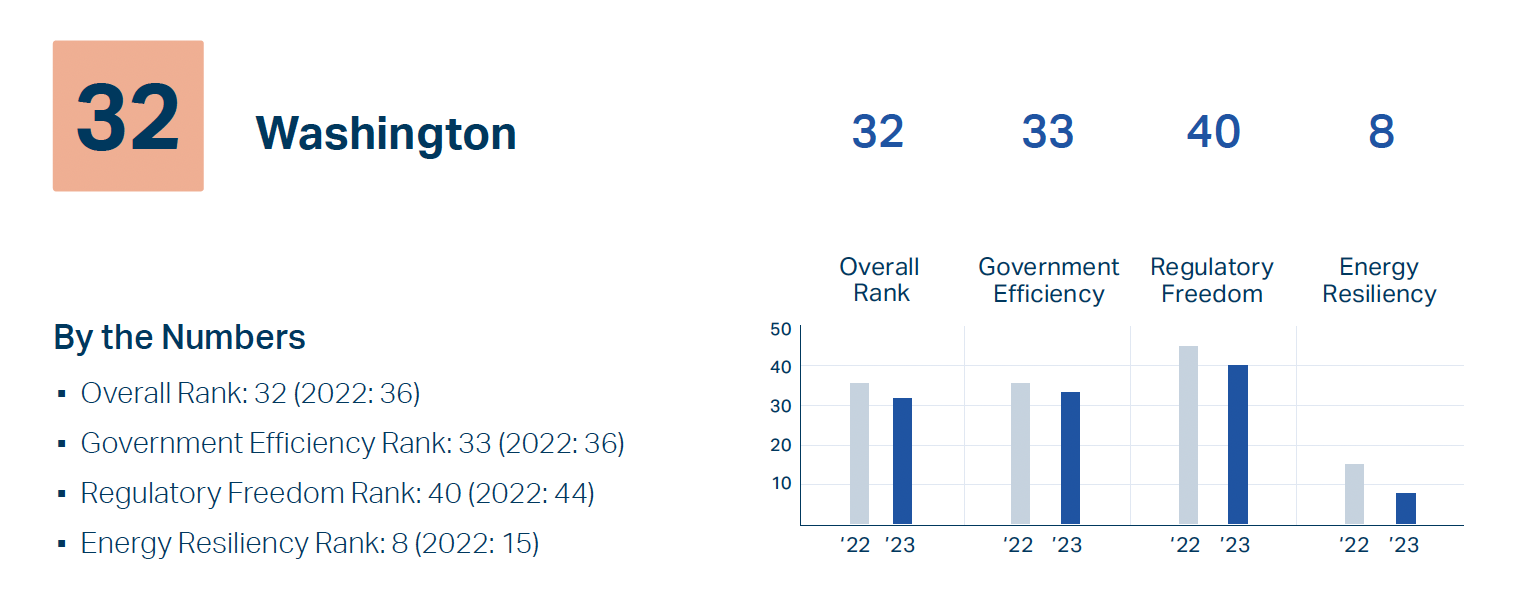
Washington’s ranking at 32 rests on issues around government efficiency (ranked 33rd) and regulatory freedom (40). The state ranked 8th in energy resiliency.
The report notes:
“Washington suffers from a challenging regulatory climate and poor labor rates, driven by some of the most progressive prevailing wage and minimum wage laws in the nation. While Washington has been buoyed by a lack of a personal income tax, a newly implemented 7 percent capital gains tax sets a dangerous and highly irregular precedent, as the Washington State Supreme Court characterized this tax as an excise tax and not an income tax, as does the IRS and every other state in the country. This ruling opened the door for more bad tax policy in the state.”
Washington’s energy resiliency score bolsters the state’s overall ranking with robust, reliable, affordable hydroelectric power. The report warns of the negative impacts of attempts to lessen or remove this critical power source.
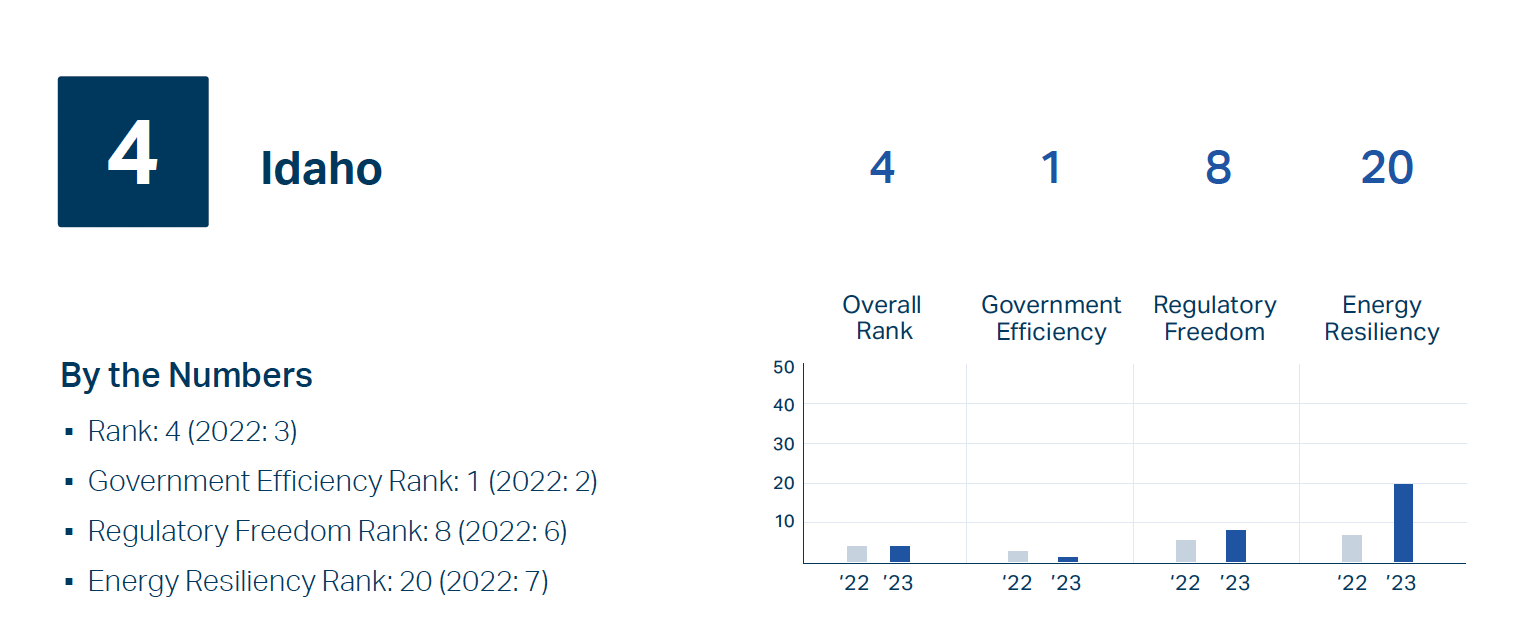
Washington falls short compared to Idaho, which ranked 4th overall. The state has improved overall due to a change in the state’s income tax to a flat tax on personal and corporate income. This also included rebates back to citizens. They also lead the nation in regulatory freedom, which has led to robust growth in the state. The report notes that energy resiliency has suffered because of reliability, which can harm businesses.
You can find the entire report here.
Chris Corry is the director of the Center for Government Reform at the Washington Policy Center.

Also read:
- POLL: Do you agree with requiring board members to follow council direction?
 Disagreement among county councilors centers on whether C-TRAN board members should reflect the council’s collective wishes or act independently, highlighting ongoing concerns about public accountability.
 - Opinion: In plain sight – yielding to pedestrians
 Drivers often fail to see pedestrians due to inattentional blindness, which highlights the need for more focused awareness at intersections and stronger safety practices.
 - Opinion: The legislature has committed $2.4 billion to recurring pension increases since 2018
 Six legislative COLAs have raised public employer costs by $2.38 billion since 2018, driving up unfunded pension liabilities and increasing burdens on county and city budgets.
 - Opinion: ‘Just because they got away with it doesn’t mean they weren’t wrong’
 A Skamania County deputy’s report found violations of county rules and the Open Public Meetings Act, but no prosecutor acted on the findings.
 - Opinion: Small things grow great by concord
 Washington’s initiative process gives citizens direct power to challenge lawmakers. Failed restrictions and new measures on girls’ sports, parental rights, and citizenship prove the influence of grassroots action.
