




‘As I make my list of thanks this week, caregivers and providers are on it.’ – Elizabeth New (Hovde), Washington Policy Center
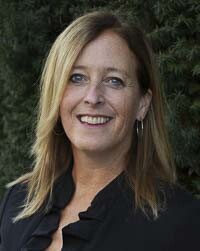
Elizabeth New (Hovde)
Washington Policy Center
My dad died in 2010. He was diagnosed with lung cancer and given six months to a year to live. He didn’t get that long.
Having watched his parents die in hospitals, he always said he did not want to go out that way. But in late July of 2010, he went to an emergency room, unable to breathe, and it didn’t look good. He was transferred to the Seattle Veterans Affairs hospital, where he spent most of the last week of his life.
My dad had a couple of different roommates at the VA. One was a man who, when disoriented, would throw his oxygen mask across the room and punch nurses who tried to calm him down. My father was placed in a private room on day three, after I had grown a soft spot for this cantankerous fellow who had no visitors during the week my mom, siblings and I spent tending to my dad. We said hello to him daily — from a distance.
My family had a front-row seat as we watched workers interact with the full range of patients on my father’s floor. And they cared gently for all of them, those who lashed out and those who didn’t. As the days wore on, I was overwhelmed with gratitude for the kindness, care and skill my dad and others received from doctors, nurses and housekeeping staff at the hospital.
It was less than a year later that I had a near-fatal crash while skiing and ended up in a private hospital for weeks, recovering from a traumatic brain injury and coma. Again, my family and I saw disoriented patients that would lash out at nurses, and, again, my family and I experienced the kindness, care and skill of hospital workers.
When it was clear that my dad wouldn’t live much longer, this crew of professionals shared my family’s determination to get him back home to die, per his wishes, and they showed us how to make him comfortable after he made the move.
My dad didn’t end up dying in a hospital. He died at home 19 hours after leaving one.
In my work for Washington Policy Center, I read a lot about the policy and financing challenges that hospitals and hospital workers face. I read about workforce shortages in the medical field that should concern us all. I’m in discussions weekly about how to keep health care quality and access high, even as state lawmakers choose not to pay their way for clients they insure and as taxpayers are increasingly on the hook for others, while worrying if they’ll be able to afford their own care.
As I make my list of thanks this week, caregivers and providers are on it. My dad greatly valued the care he received the last week of his life. And if he wasn’t able to die at home, I suspect he would have thought that the hospital was the next best place.
Elizabeth New (Hovde) is a policy analyst and the director of the Centers for Health Care and Worker Rights at the Washington Policy Center. She is a Clark County resident.

Also read:
- Opinion: Someone explain the Democrat Party to me please
 Lars Larson criticizes Democrat politicians for shutdown threats, Homeland Security funding refusals, and positions on election laws, housing, and gun rights.
 - POLL: Do you agree with requiring board members to follow council direction?
 Disagreement among county councilors centers on whether C-TRAN board members should reflect the council’s collective wishes or act independently, highlighting ongoing concerns about public accountability.
 - Opinion: In plain sight – yielding to pedestrians
 Drivers often fail to see pedestrians due to inattentional blindness, which highlights the need for more focused awareness at intersections and stronger safety practices.
 - Opinion: The legislature has committed $2.4 billion to recurring pension increases since 2018
 Six legislative COLAs have raised public employer costs by $2.38 billion since 2018, driving up unfunded pension liabilities and increasing burdens on county and city budgets.
 - Opinion: ‘Just because they got away with it doesn’t mean they weren’t wrong’
 A Skamania County deputy’s report found violations of county rules and the Open Public Meetings Act, but no prosecutor acted on the findings.
