



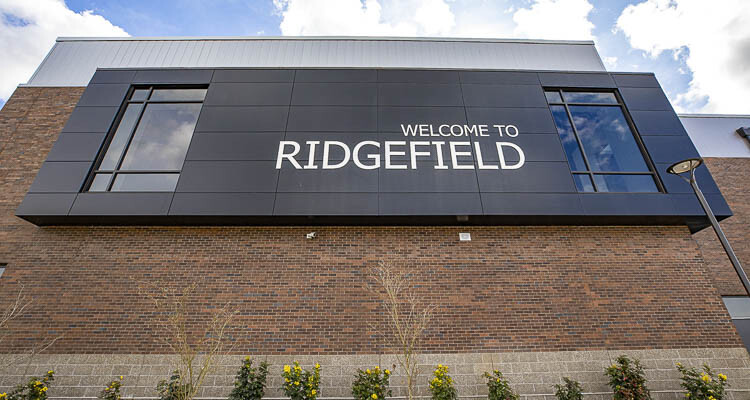
Ridgefield resident Heidi Pozzo offers her perspective on the recent actions of the members of the Ridgefield School Board
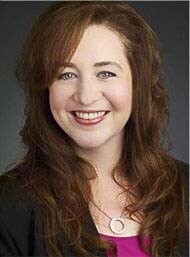
Heidi Pozzo
for Clark County Today
Open meetings are the foundation of our democracy and are enshrined into law throughout the country. They are an opportunity for the public to hear from elected leaders and participate in public debate. They are necessary to the process of finding common ground amongst people of differing viewpoints.
So, it was surprising to see that after five attempts to pass a bond measure, the Ridgefield School District went down the road of holding meetings behind closed doors rather than engaging in a robust conversation with the public about how to balance the very real needs of a growing population with fiscal concerns.
Before going further, it is important to debunk the view that a majority of people support the bond measure. They don’t. The last bond measure run by Ridgefield School District was in April 2022 and just narrowly failed with 59.17% voting yes. However, Clark County Elections shows 5,148 votes were cast for the bond measure vs. 16,836 registered voters, or 30.58% who were against. Not even close to a majority (this information can be found by clicking on precinct data for the election which will download a spreadsheet).
What did Ridgefield School Board do in the run up to voting to place a bond measure on the April 2024 ballot? They held two “special meetings” on October 24, 2023 and December 8, 2023 to discuss “goals.” Because those meetings were last minute and not known to the public, only board members were in attendance. During the regular board meeting on November 28, “capital facility planning” was added to the agenda during the meeting and was only known to the public a few days before the December 12, 2023 meeting when the meeting minutes were made public.
If you had been watching the School Board agenda, you would have seen the December 12 meeting agenda had an agenda item called 2023-2024 Capital Facility Needs Review. This presentation was focused on enrollment growth, how much money is available to the district based on home pricing and Washington law, where RSD stacks up against other districts, historic levy rates and the proposed bond measure.
Coffee talks were held on Dec. 19, 20, 21 and 28. However, this information was not included in the board materials or board calendar or school district event calendar or school district newsletter and was only posted on the website. The town hall on January 3, 2024 was the last time the bond measure was discussed beyond one lingering question of whether impact fees could help reduce the overall cost of the projects.
And with that, the board voted unanimously on January 23, 2024 to approve moving the bond measure to the April ballot for a public vote. No discussion of the scope or cost of projects. No discussion of how the projects address the needs. And no discussion of how the additional state funds and contingencies available through this program will be available for other purposes.
The Ridgefield School Board has technically complied with open meeting laws. However, by using technicalities to get around the spirit of the law and the foundation of our democracy,
they have short circuited the process of dialogue to get to a middle ground that balances the needs of increased enrollment with public support and funding
Heidi Pozzo has been a Ridgefield resident for 16 years. She is a concerned citizen who would like students to get a good education and thinks we can do it in a more cost-effective way.

Also read:
- Opinion: Someone explain the Democrat Party to me please
 Lars Larson criticizes Democrat politicians for shutdown threats, Homeland Security funding refusals, and positions on election laws, housing, and gun rights.
 - POLL: Do you agree with requiring board members to follow council direction?
 Disagreement among county councilors centers on whether C-TRAN board members should reflect the council’s collective wishes or act independently, highlighting ongoing concerns about public accountability.
 - Opinion: In plain sight – yielding to pedestrians
 Drivers often fail to see pedestrians due to inattentional blindness, which highlights the need for more focused awareness at intersections and stronger safety practices.
 - Opinion: The legislature has committed $2.4 billion to recurring pension increases since 2018
 Six legislative COLAs have raised public employer costs by $2.38 billion since 2018, driving up unfunded pension liabilities and increasing burdens on county and city budgets.
 - Opinion: ‘Just because they got away with it doesn’t mean they weren’t wrong’
 A Skamania County deputy’s report found violations of county rules and the Open Public Meetings Act, but no prosecutor acted on the findings.
