



Mark Harmsworth hopes it won’t take five years before the state leaders reverse direction and overturn the House Bill 1217
Mark Harmsworth
Washington Policy Center
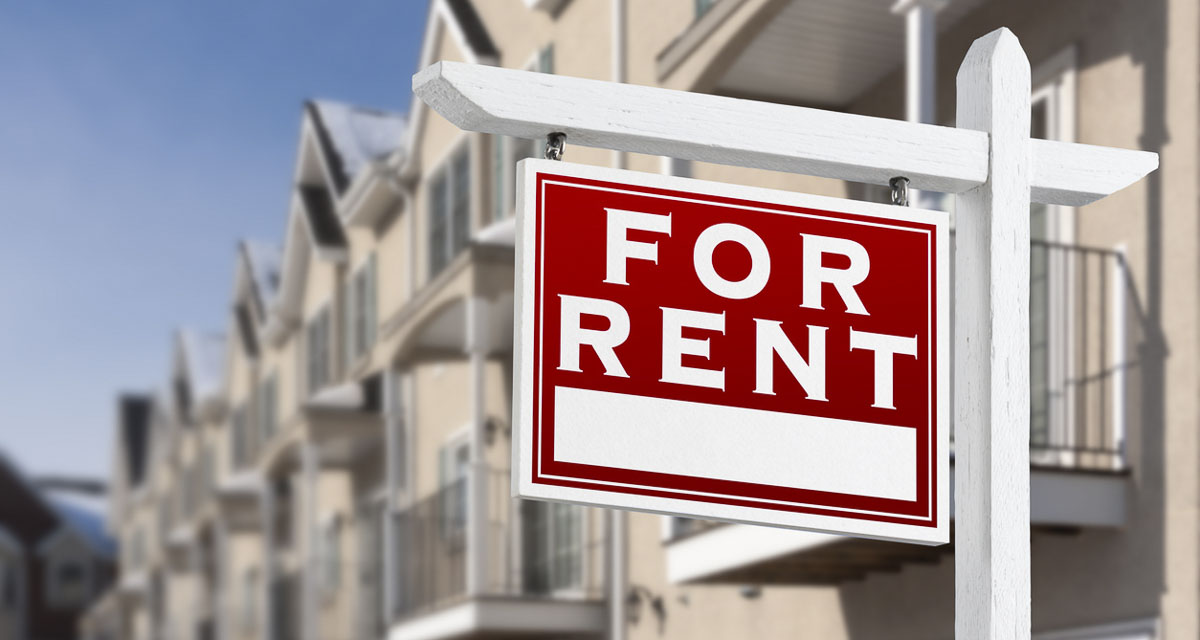
Washington Governor Ferguson (D) signed rent control into law last week and the law took effect immediately. House Bill 1217 (HB 1217) had an emergency clause on the legislation so there is no ability for the public to weigh in with a referendum or initiative. HB 1217 caps rent increases at 7% plus the Consumer Price Index (CPI) or 10%, whichever is less. Along with the caps, there are new penalties, notification requirements and restrictions on property owners.

The effect of the legislation will be higher rents and less properties on the rental market.
In every market where rent control has been introduced, the impacts are predictably the same. The reverse is also true, when rent control is removed from the market, rents decline, and more rental properties are added to the market.
There is a recent, concrete example of what happens when the government removes rent control. Javier Milei, when first elected Argentina’s president, removed rent control in July 2023.
According to an article from the Cato Institute (and numerous other news outlets), when rent control was initially introduced in Argentina around 2019, an estimated 45% of property owners removed their properties from the market to either sell them, or turn them into short term rental units on AirBnB. Rents jumped sharply as the supply dried up far outpacing the rate of inflation. It turns out that when the government controls rents, private property owners don’t want to rent properties.
The years between the introduction of rent control and its final demise saw average rents increase from 18,000 pesos per month to 334,000 pesos per month. Had inflation been the driver of costs increases; rent would have been much lower at 210,000 pesos per month.
Argentina has seen an estimated 50%-170% increase in traditional rental properties since rent control was overturned, and rent prices are estimated to have fallen between 30-40% when adjusted for inflation.
The results are clear – yet Democrats in Olympia appear to be oblivious to what is about to happen in Washington.
Unfortunately, Washington’s rental market is just beginning this journey. Hopefully it won’t take 5 years before the state leaders reverse direction and overturn the House Bill 1217.
Mark Harmsworth is the director of the Small Business Center at the Washington Policy Center.

Also read:
- Reps. Peter Abbarno and Ed Orcutt: Supplemental capital budget includes key investments for the 20th District
 Projects in the 20th District will benefit from millions in state funds, with local schools, community centers, and infrastructure improvements highlighted by Reps. Abbarno and Orcutt.
 - Opinion: A troubling end to a disruptive session
 Let’s Go Washington highlights multiple instances where legislative leaders dismissed historic public feedback, advanced controversial tax policies, and undermined constituent influence.
 - Opinion: Washington state is blowing up its no-income-tax advantage
 Lawmakers advanced SB 6346 with an emergency clause, aiming to end Washington’s no-income-tax reputation and prevent voters from seeking a referendum.
 - Opinion: Labor to hit households
 Households hiring for childcare or cleaning may soon need formal contracts due to a Washington law extending workplace rules to domestic arrangements.
 - POLL: What do you think will happen if Washington’s new income tax becomes law?
 A new poll asks Clark County Today readers to predict what will happen if Washington’s nearly 10% tax on high incomes becomes law.
 wpDiscuz
