



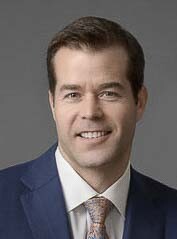
Vancouver attorney Angus Lee believes the future of our community hinges on active civic participation
D. Angus Lee
For Clark County Today
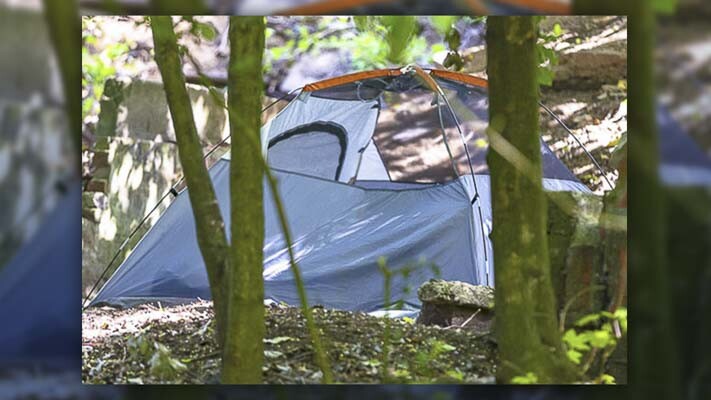
Visualize, for a moment, the picturesque landscapes that once defined Clark County. From vibrant parks buzzing with mothers and children to pristine streets, this was a place that epitomized community spirit. But in recent years, there’s an undeniable shadow that has been cast on this vision – the proliferation of “day camping.”
For those of us with deep roots in Clark County, the changes have been startling. The bustling streets of yore now echo with caution. The iconic park near the Marshall Center, which once resonated with the laughter of children, has become a no-go zone for many mothers. The very essence of community safety and cleanliness seems to have been eroded.
Central to this decline are the “day camps,” which have swiftly become synonymous with crime, squalor, and disorder. Far from being innocuous shelters, these tents have been linked to drug distribution, criminal activity, and even death. Speak to any seasoned patrol officer or detective, and the narrative is consistent: these street tents are perilous to public safety.
Now, here’s where the urgent need for action crystallizes: The Clark County Council is actively deliberating the adoption of a local county code to ban day camping. This is a pivotal moment, and your voice, my dear friend, could make all the difference.
However, it’s crucial to debunk a persistent myth that these encampments have legal protection. Critics often cite the 2019 U.S. Court of Appeals ruling in Martin v. City of Boise to assert that the local government lacks the authority to restrict day camping. This is a gross misrepresentation. The court in Martin only asserted that individuals cannot be criminally prosecuted for sleeping outside on public property when they lack alternative shelter options. It made no mention of allowing permanent street tents. In fact, the Court clearly stated that the ruling does not prevent cities from regulating placement of tents.
What’s at stake isn’t just the aesthetic beauty of Clark County or its majestic Pacific Northwest landscapes. It’s about rectifying a blight that has gripped our community. With the potential for legislation to criminalize the unattended placement of tents on public property during the day, we have a tangible solution at hand.
The time to act is now my friend. Contact the County Council. Tell them we want clean and vibrant streets, not day camps. Make your voice heard and lend your steadfast support to the proposed ban on day camping. The future of our community hinges on active civic participation. Together, we can ensure the magnificent dawn of a renewed Clark County.
County Council Email:
- karen.bowerman@clark.wa.gov
- glen.yung@clark.wa.gov
- michelle.belkot@clark.wa.gov
- gary.medvigy@clark.wa.gov
- sue.marshall@clark.wa.gov

Also read:
- Opinion: Tax day is painful enough without Washington adding its own
 Washington’s new 9.9% income tax mirrors federal pattern: start narrow, expand to hit everyone within years.
 - POLL: What do you believe is the biggest reason school districts are facing budget shortfalls?
 Districts across Washington warn of budget gaps as debate grows over rising costs versus inadequate state funding.
 - Opinion: The high cost of hiding – Why IBR’s delayed revenue study is a $15 billion warning sign
 IBR delays critical toll revenue analysis until June 2027, hiding financial details until after project approval.
 - Opinion: The high cost of hiding – Why IBR’s delayed revenue study is a $15 billion warning sign
 IBR delays critical toll revenue analysis until June 2027, hiding financial details until after project approval.
 - Opinion: Washington fails the test for affordability
 Mountain States Policy Center analysis reveals Washington ranks 5th most expensive state as residents migrate to Idaho and Texas.
 wpDiscuz
