



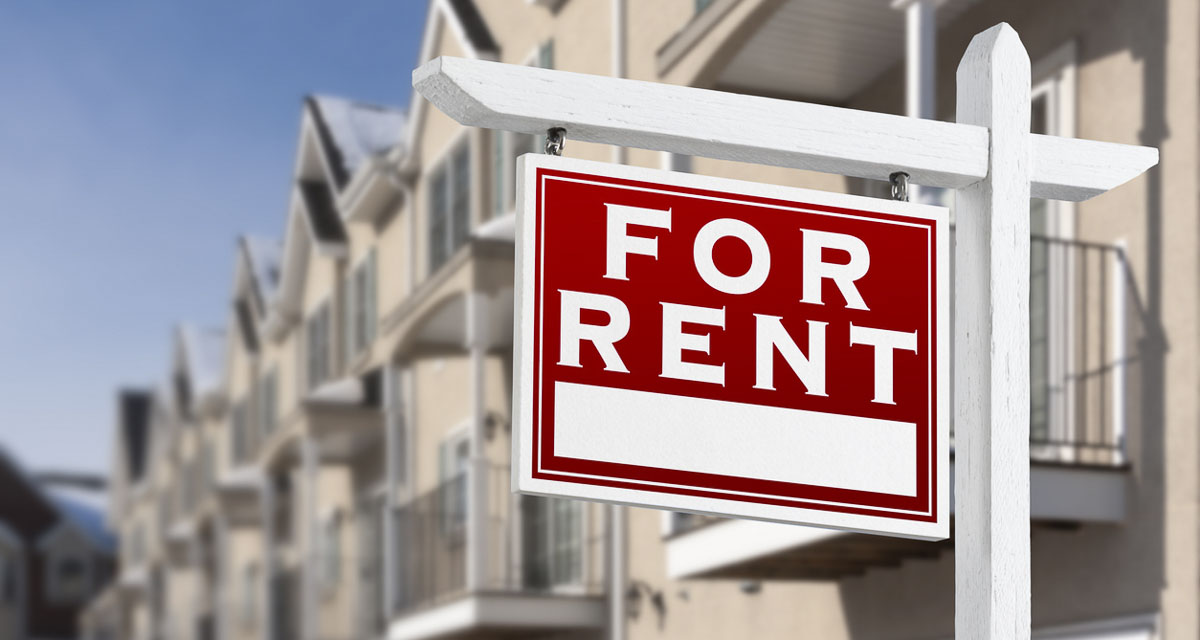
Mark Harmsworth believes the Washington legislature should consider a similar bill to Illinois Senate Bill 1563
Mark Harmsworth
Washington Policy Center
A bill (Senate Bill 1563) that has passed the Illinois legislature that will treat squatters as trespassers is waiting for Governor J.B. Pritzker’s signature to become law. Squatters in Illinois, as in Washington, over the years have used loopholes in the law to occupy or extend residency in a house by claiming tenancy to avoid being charged with criminal trespass. This makes an eviction a lot more difficult.

Washington State’s squatter rights laws, rooted in adverse possession statutes, are increasingly problematic for property owners and communities. These laws, intended to resolve historical land disputes, allow individuals to claim ownership of property they occupy without permission, provided they meet certain criteria, such as continuous use for seven years and paying taxes. However, in practice, these laws create significant challenges that undermine property rights and public safety.
Squatter rights laws erode the fundamental principle of private property ownership. Homeowners and property owners face prolonged legal battles to evict squatters, often incurring substantial costs. In Washington, the process can take months, as courts require property owners to navigate complex eviction procedures, even when squatters have no legal claim, including substantial delays in Seattle last year. This delays justice and burdens owners, particularly small property owners who rely on rental income.
These laws strain law enforcement and local governments. Squatters often exploit legal ambiguities, forcing police to treat disputes as civil matters rather than criminal trespassing. This leaves neighborhoods vulnerable to blight, as unoccupied properties attract vandalism, drug activity, and other crimes. Data from Seattle shows a rise in complaints about squatter-occupied properties, with some areas reporting increased petty crime and decreased property values.
Squatter rights laws also discourage property investment. Developers and homeowners hesitate to purchase or maintain properties, fearing legal entanglements with squatters. This exacerbates Washington’s housing shortage, driving up costs in an already strained market.
Reforming squatter rights laws is critical. Washington should streamline eviction processes, clarify trespassing laws, and prioritize property owners’ rights. Without reform, these outdated statutes will continue to harm communities, deter investment, and undermine the rule of law. Protecting property rights is essential for a thriving, safe Washington.
The Washington legislature should consider a similar bill to Illinois Senate Bill 1563. It would go a long way to help restore property owner confidence and increase available rental properties in Washington.
Mark Harmsworth is the director of the Small Business Center at the Washington Policy Center.

Also read:
- State Representatives McClintock and Ley answer questions at town hall in Battle Ground
 Residents voiced rising concerns about property taxes, school funding debates, the impact of new income tax legislation, and major costs tied to the Interstate Bridge plan.
 - As Washington gets an income tax, the fight to overturn it begins
 Opponents are organizing lawsuits and potential ballot measures to challenge the new 9.9% income tax on Washington households earning over $1 million.
 - VIDEO: WA diesel hits record $6.53, crushing truckers and school budgets
 With diesel nearing $6.53 per gallon in Washington, trucking businesses and school districts now confront sharply higher fuel expenses affecting budgets and workers.
 - WA’s status solidifies as one of the most expensive places in US
 A new study shows Washington outpaces most states on cost of living, with metrics revealing a sharp rise in daily expenses and major metro areas ranking among the nation’s most expensive.
 - Opinion: Someone explain the Democrat Party to me please
 Lars Larson criticizes Democrat politicians for shutdown threats, Homeland Security funding refusals, and positions on election laws, housing, and gun rights.
