



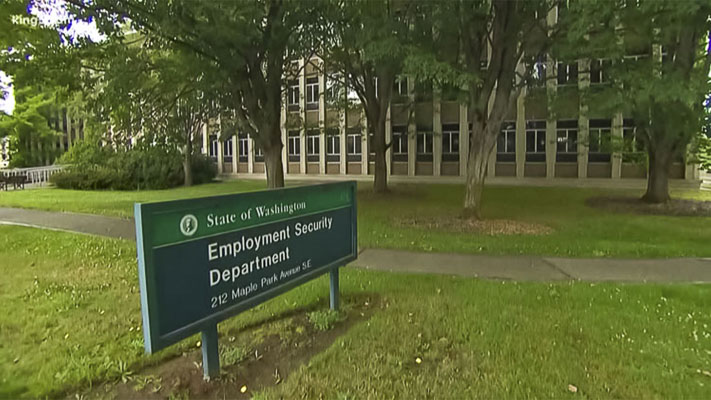
Mark Harmsworth of the Washington Policy Center discusses a recent audit that finds theft of over $600 million of taxpayer funds was primarily due to insufficient fraud prevention controls
Mark Harmsworth
Washington Policy Center
In 2020 The Employment Security Department (ESD) suffered the theft of over $600 million of taxpayer funds from the employment security trust account. A recent audit published by the Washington State Auditor’s office has found that this was primarily due to ESD having insufficient fraud prevention controls. ESD did not agree with the auditor’s assessment of the systemic lack of fraud controls, despite overwhelming evidence to the contrary.

ESD is claiming that it was not entirely the lack of ESD claimant verification or controls that allowed the fraud to occur, but the directive under the CARES act that removed the requirement to substantiate employment or self-employment status.
This is not accurate as internal documents, published by Shift Washington and the Puget Sound Business Journal show, the department has repeatedly changed the claim qualification criteria with little explanation to the public as to the reason why. This is a contributing factor to the lack of fraud protection that allowed the theft to occur.
The audit additionally identified the governor’s proclamation, that removed the one-week waiting period for benefit payments, increased the size of the loss. Had the proclamation not been in place, ESD would have potentially stopped the fraud sooner.
ESD has struggled with transparency and fraud since the beginning of the pandemic in 2020.
At the Washington Policy Center, we recognized these problems with ESD after the initial fraud earlier this year and have published numerous articles and a detailed Policy Brief summarizing the issues facing ESD and solutions for those problems, some of which have been adopted.
The latest audit findings by the Washington Auditor’s Office
ESD officials need to continue to provide the public with more transparency into its internal policies, improve fund balance reporting accuracy, data timeliness and data availability. ESD needs to improve authentication and fraud protections against scams and individual fraudulent claims to prevent further fraud and loss of taxpayer funds.
Mark Harmsworth is the director of the Small Business Center at the Washington Policy Center.

Also read:
- Opinion: Tax day is painful enough without Washington adding its own
 Washington’s new 9.9% income tax mirrors federal pattern: start narrow, expand to hit everyone within years.
 - POLL: What do you believe is the biggest reason school districts are facing budget shortfalls?
 Districts across Washington warn of budget gaps as debate grows over rising costs versus inadequate state funding.
 - Opinion: The high cost of hiding – Why IBR’s delayed revenue study is a $15 billion warning sign
 IBR delays critical toll revenue analysis until June 2027, hiding financial details until after project approval.
 - Opinion: The high cost of hiding – Why IBR’s delayed revenue study is a $15 billion warning sign
 IBR delays critical toll revenue analysis until June 2027, hiding financial details until after project approval.
 - Opinion: Washington fails the test for affordability
 Mountain States Policy Center analysis reveals Washington ranks 5th most expensive state as residents migrate to Idaho and Texas.
 wpDiscuz
