




For every $1 of subsidy from Washington’s taxpayers – who care deeply about the environment — for every dollar spent, taxpayers received just over a penny’s worth of environmental benefit
David Boze
Washington Policy Center
The Washington Policy Center released an analysis of the data from our state’s Electric Vehicle subsidy program. The biggest takeaway? For every $1 of subsidy from Washington’s taxpayers – who care deeply about the environment — for every dollar spent, taxpayers received just over a penny’s worth of environmental benefit. Yet at a time when our Legislature is entertaining higher taxes to make the budget balance, former Governor Inslee’s outgoing budget proposal included millions of dollars to expand this program.

That is the opposite of accountability. The opposite of responsible government. As people struggle to make ends meet, they expect their government to deliver efficiently the services and benefits they’ve been promised.
You can read the whole study here (or just the key takeaways below). One thing to watch for is how our regional media treats this news. Will they be as interested in the actual results of the program as they were creating headlines for the political promises creating it?
Local media suffers from many challenges — aggregate sites, online expectations of free news, a loss of trust, but local media are still a key aspect for political accountability – especially when one party is dominant and doesn’t have to fear losing to the opposition. So if our regional media doesn’t show interest in whether programs achieve the results promised (or anything close to it), expect politicians to remain more interested in attention-getting promises than getting results. That said, Governor Ferguson’s inaugural remarks provide hope he might be interested in setting the state on a more productive path than programs like the EV subsidy.
If you’re not already a subscriber to WPC’s weekly newsletter, empower yourself with the information you need and subscribe now, then read the key findings of the EV report below.
- Based on sales trends, the rebates increased new EV sales by an estimated 3,477, used sales by about 1,163 and electric trucks by about 187, for a total of 4,788. This is well below the Department of Commerce’s initial projection of up to 8,767 additional vehicles. Sales of new PHEVs actually fell by an estimated 344 vehicles but used PHEV sales increased by 305 vehicles.
- As a result of the lower sales, the CO2 reductions are much smaller than expected, reducing lifetime emissions by only 13,030 metric tons – equivalent to about 0.03% of Washington’s annual transportation-related emissions.
- The cost of the program to reduce emissions is astronomical, costing $3,453.57 to reduce one metric ton of CO2 – nearly 86 times as much as the state’s current CO2 price. For every $1 of subsidy, the people of Washington receive just over a penny’s worth of environmental benefit.
- During the three months when the rebates were in effect, the average household income of the zip codes where rebate-eligible EVs were sold was $118,816. That is only a slight decline from an average household income of $122,601 in the months before the rebates were available.
- The most popular vehicle among those who used the rebate was the Tesla Model 3, which saw sales double, selling 1,191 more vehicles than expected based on sales in 2024 prior to the rebates.
- Through October, EVs and plug-in hybrids accounted for 21.8% of new vehicle sales in Washington, only slightly above the 2023 level of 20.5% and well below the 35% level that will be required in 2026.
David Boze is the communications and marketing director for the Washington Policy Center.

Also read:
- Opinion: Half the road, full stop – Understanding pedestrian right-of-way
 Doug Dahl explains how Washington’s law requires drivers to stop when a pedestrian is within one lane of their half of the road, not just when directly in front.
 - Opinion: The state’s RFK-proofing bill comes with a cost
 Mandates like HB 2242 can lead to higher premiums as insurance companies absorb costs for new preventive services, affecting affordability statewide.
 - Opinion: What is the cost of a bridge?
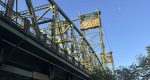 John Ley argues the I-5 Bridge replacement’s soaring cost stems from costly extras like light rail, noting other states deliver larger, toll-free bridges for much less.
 - POLL: Do you agree with giving a state commission the power to remove an elected sheriff?
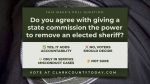 A new poll asks if a state commission—not voters—should have the power to remove an elected sheriff, following concerns raised by Clark County Sheriff John Horch.
 - Opinion: Defending Democracy by denying it?
 Washington voters are blocked from weighing in on new income taxes as state lawmakers and officials bypass public input, drawing criticism from Northwest voices.
