



Chris Cargill of the Mountain States Policy Center provides details of the analysis provided by the Education Psychology Review’s new research
Chris Cargill
Mountain States Policy Center
Another anti-choice argument has fallen.
New research from the Education Psychology Review indicates students who attend private and parochial schools perform much better when it comes to obtaining well-rounded civics knowledge.
Analysts looked at four different categories to make their determination:
- Political tolerance – an individual’s willingness to respect the rights and opinions of people who are different from them
- Political participation – a person’s willingness to engage in the activities of self-government
- Civic knowledge and skills – a set of understandings and abilities widely viewed as conducive to self-government
- Voluntarism and social capital – one’s involvement in activities that benefit the broader community and the depth of one’s community attachments
The meta-analysis looked at the results of more than 60 studies from across the globe. In total, the data shows many more positive than negative results.
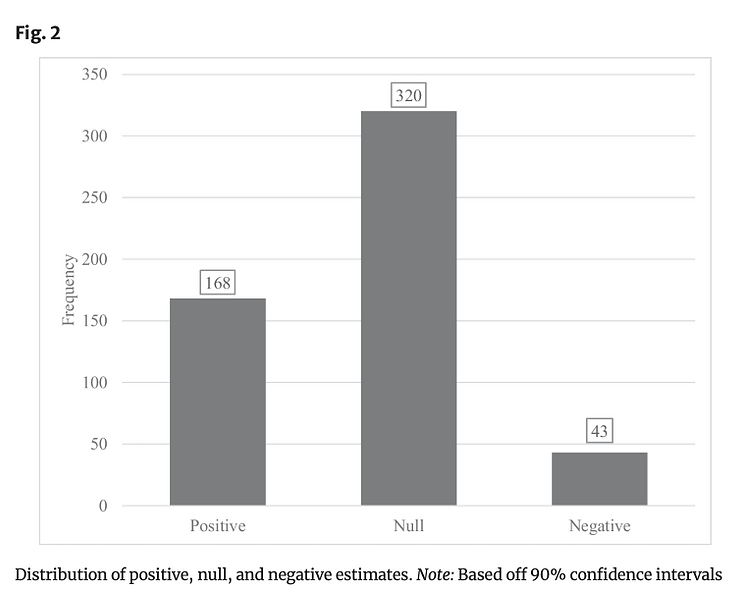
“Religious private schooling, particularly, is strongly associated with positive civic outcomes. The evidence is especially strong that private schooling is correlated with higher levels of political tolerance and political knowledge and skills. We discuss heterogeneities, robustness checks, and implications.”
Some claim that, because public schools are government controlled, they can do a better job at producing civics outcomes. In fact, those opposed to school choice have often used this argument, saying that choice would “destroy democracy.”
But civics education has been downright disastrous in the United States, especially over the past decade. The 2022 testing released by the National Assessment Governing Board showed only 22% of eighth graders were proficient in civics.
A well-rounded education is about more than just test scores. Schooling has a critical role to play in nurturing an informed, tolerant and democratic citizenry.
Are public schools meeting that standard?

Also read:
- Opinion: Stalin would be proud – Clark County Socialists gathered for ‘No Kings’
 Reform Clark County’s Rob Anderson criticizes local and national groups for organizing protests that featured Auditor Greg Kimsey as a keynote, raising concerns about public trust and political partisanship.
 - Letter: Vancouver Mayor Anne McEnerny-Ogle makes several serious and incorrect engineering statements
 Bob Ortblad critiques engineering claims by Vancouver Mayor Anne McEnerny-Ogle, highlighting cost and safety advantages of an immersed tunnel for the I-5 crossing.
 - Opinion: The beginning of the end of anchor babies
 Lars Larson argues the Constitution excludes children born to non-legal residents, as the Supreme Court debates birthright citizenship and public opinion data shows limited support.
 - Opinion: Defend bail now or face more chaos on our streets
 A proposed Washington court rule would cap bail for most misdemeanors and allow defendants to bypass bondsmen, raising concerns about accountability and public safety.
 - Opinion: Some worker rights get a poster, others get fine print
 Elizabeth New questions why Washington state highlights some workplace protections while Janus First Amendment rights for public employees remain hidden in official materials.
