
Editor’s note: Opinions expressed in this letter to the editor are those of the author alone and may not reflect the editorial position of ClarkCountyToday.com
Most of us grew up with a simple rule for camping: pack it in, pack it out.
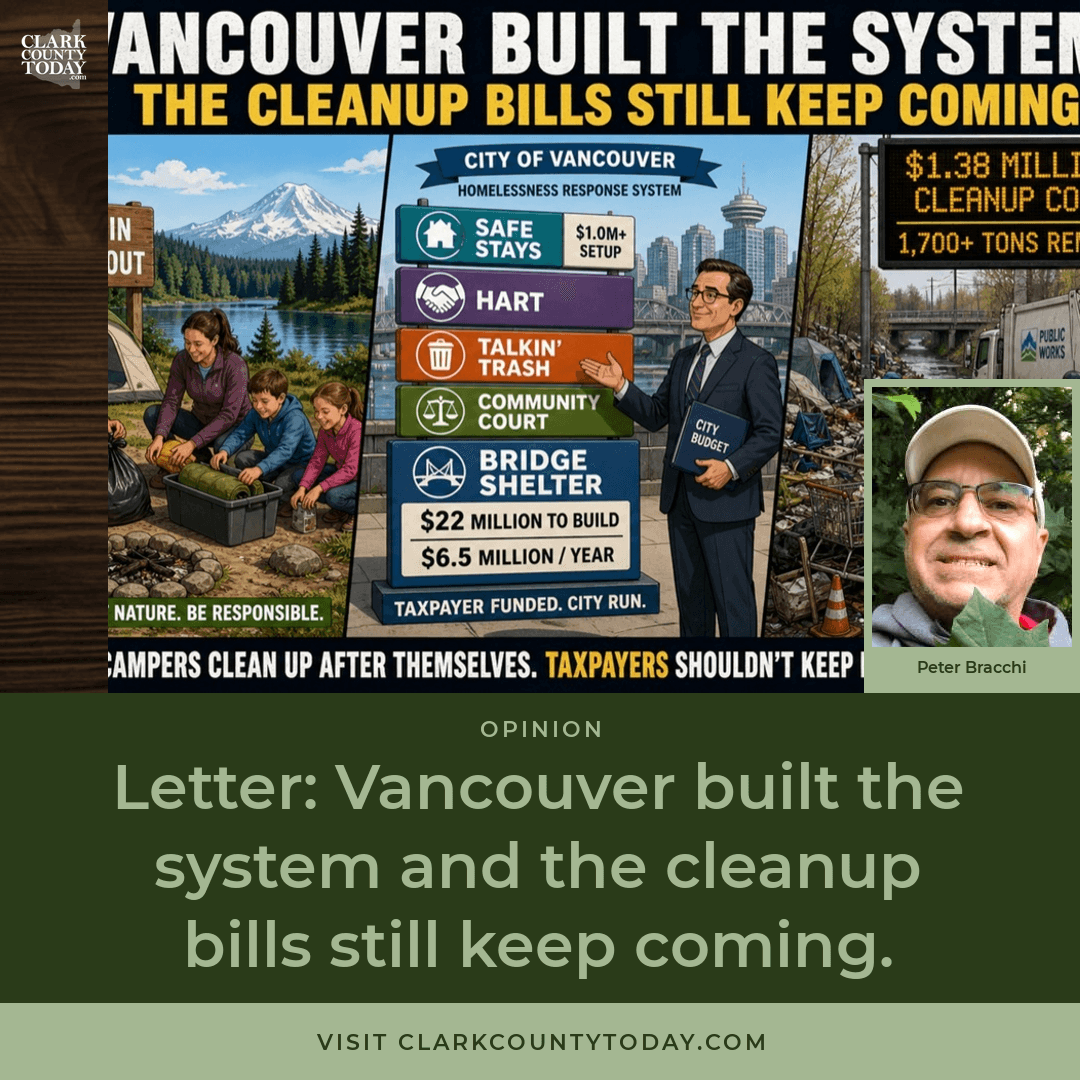
 Peter Bracchi
Families went camping, enjoyed the outdoors, picked up their trash, and left the campsite clean for the next person. That was not politics. That was basic responsibility.
Vancouver has now built an entire homelessness response system around people who do not follow that same basic rule on public land.
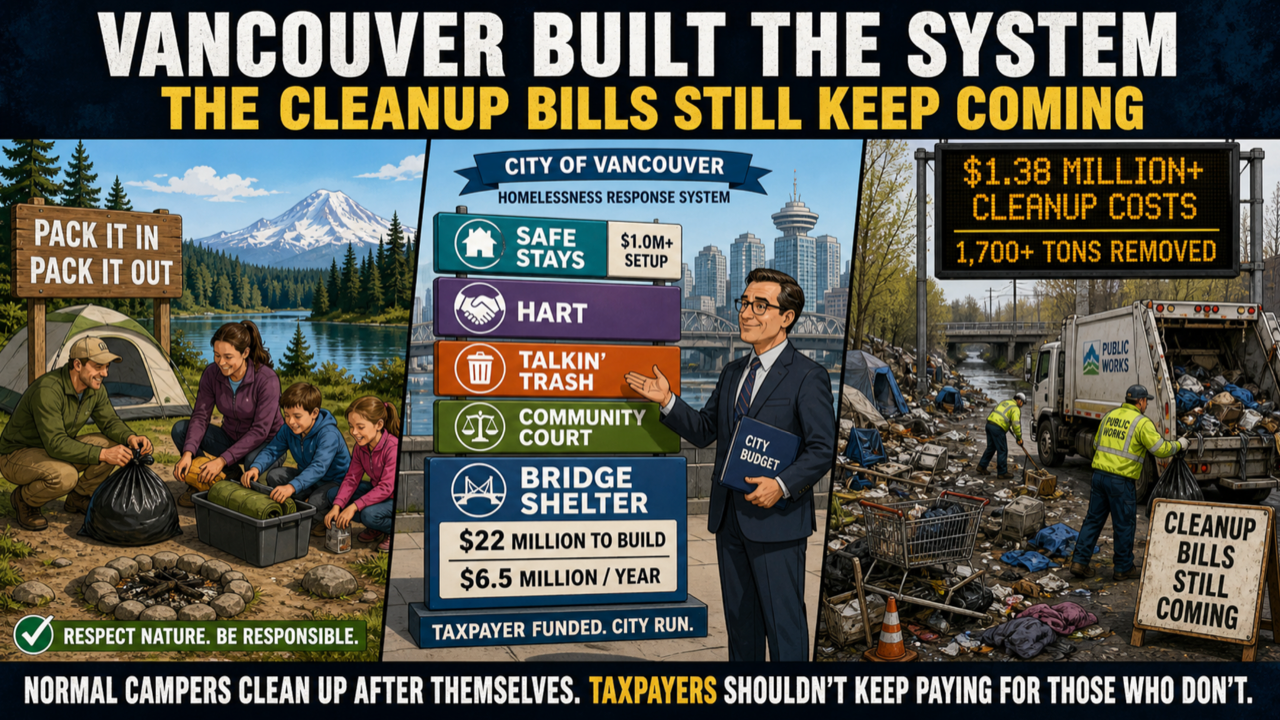
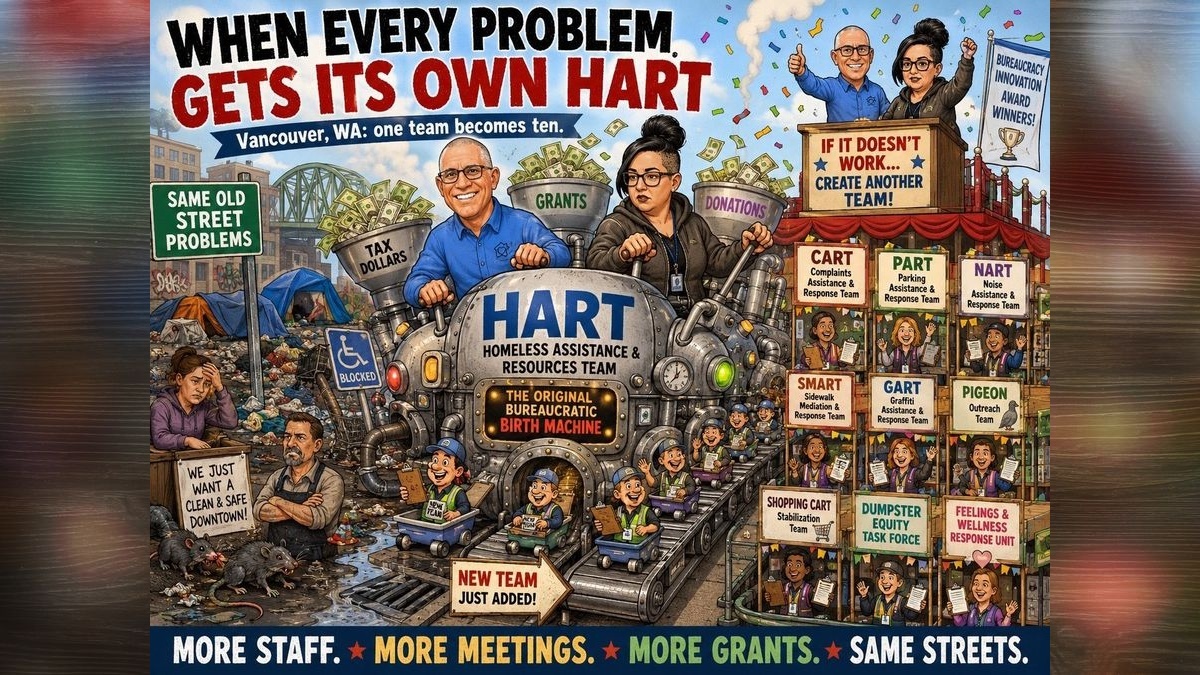
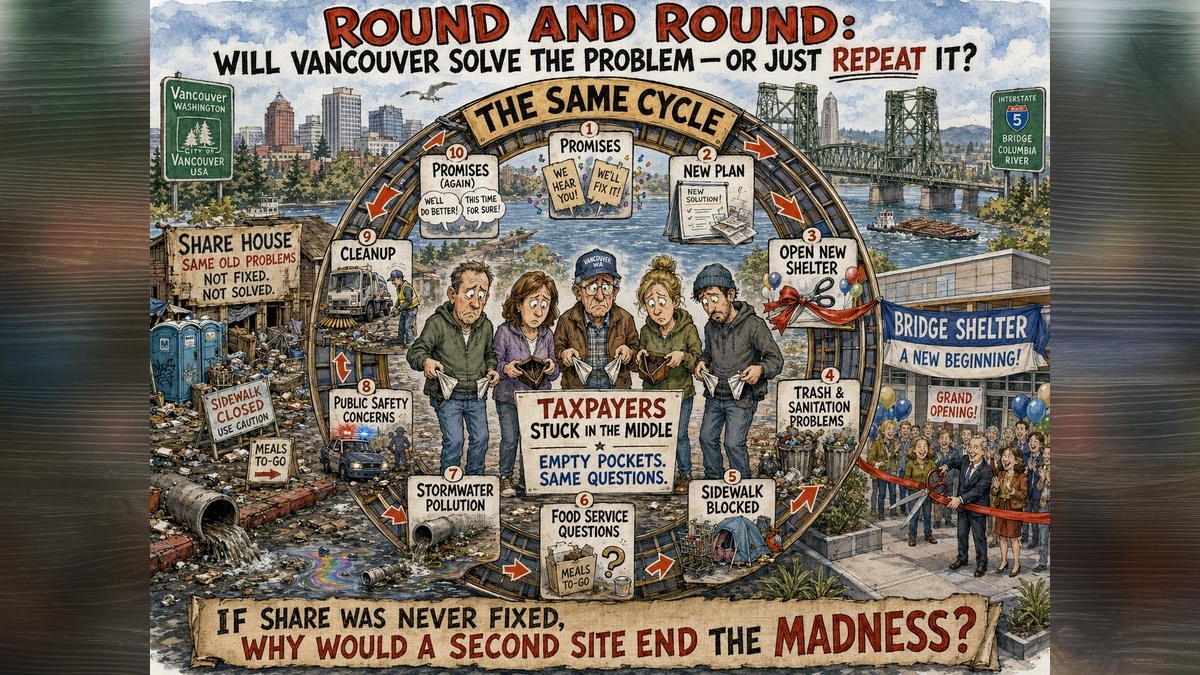
The city has opened Safe Stay communities. It has created the HART team. It helps fund Share’s Talkin’ Trash program. It uses Community Court. It hires cleanup contractors. It coordinates encampment removals. And now it is building a new Bridge Shelter. The City says the Bridge Shelter will cost about $22 million to acquire and construct, plus about $6.5 million in first-year operating and management costs.
These efforts cost real money.
Based on City cleanup cost data produced through Public Records request documented cleanup-related costs from 2021 through partial 2026 total more than $1.38 million, with more than 1,700 tons of material removed.
That is the point taxpayers should focus on.
Vancouver has already spent years building programs, staffing teams, funding services, and cleaning camps. The issue is no longer whether the city is doing anything. The issue is whether all this spending is reducing the mess.
The city says Safe Stay communities provide shelter and services, HART coordinates outreach and encampment response, and Talkin’ Trash removes large amounts of trash from public areas. But the cleanup bills remain, and now taxpayers are being asked to fund still more through the future Bridge Shelter.
Help is necessary. Shelter is necessary. Treatment is necessary. But public land cannot become a permanent dumping ground while taxpayers keep paying for one new program after another.
A family camper who leaves garbage behind can be fined. A homeowner who dumps waste in a right-of-way can face enforcement. A business that leaves trash, human waste, needles, propane tanks, and hazardous debris on public land would not be excused year after year.
Vancouver can offer help and still require accountability.
Safe Stays, HART, Talkin’ Trash, Community Court, cleanup contractors, and the Bridge Shelter should all be judged by the same standard:
Fewer repeat camps. Fewer cleanup bills. Fewer tons of waste. Cleaner parks, trails, sidewalks, and creek corridors.
Normal campers clean up after themselves.
Taxpayers should not have to keep paying for those who do not.
Peter Bracchi Vancouver
Comments
Loading comments…