
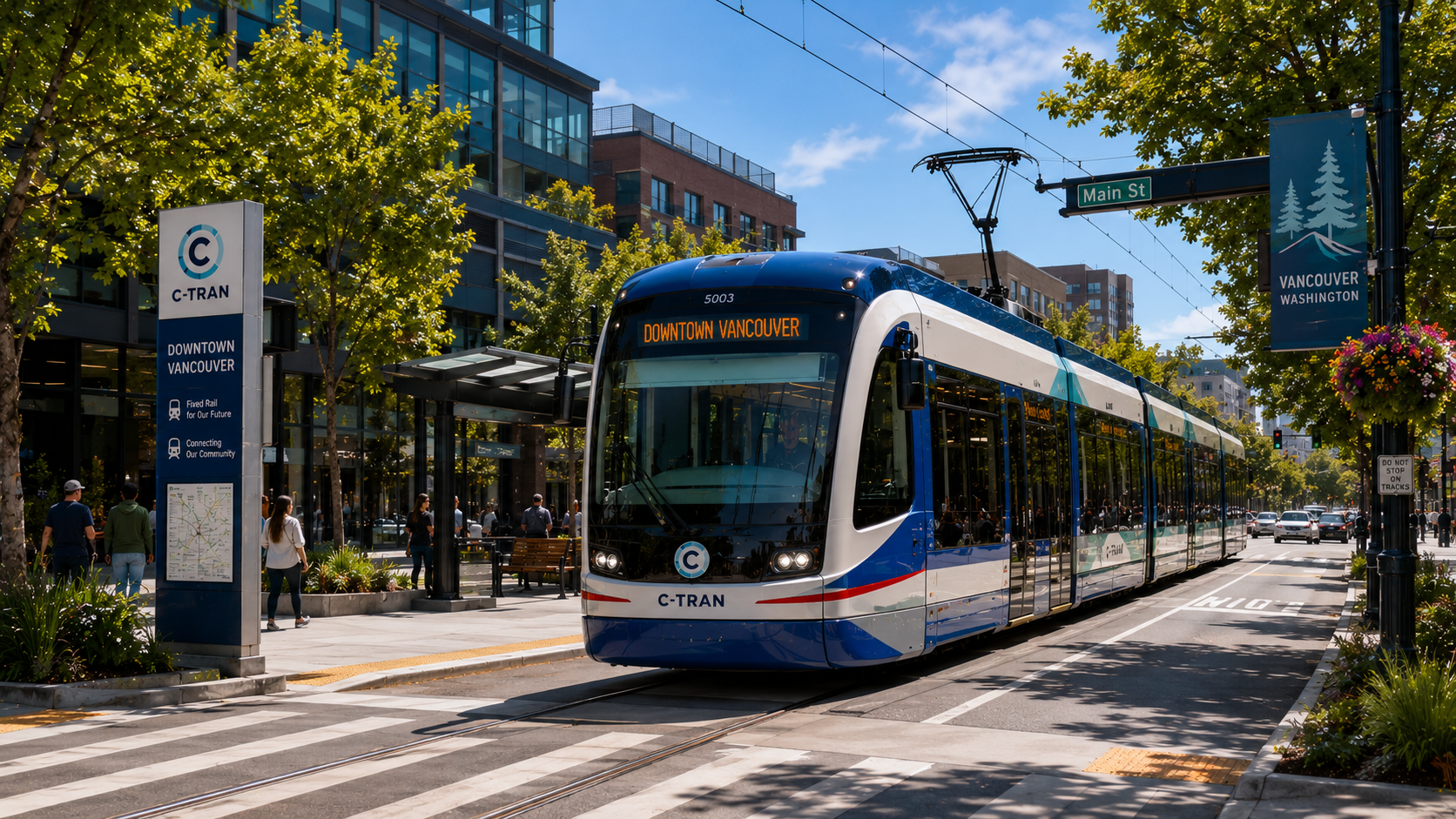
It was toward the end of the special meeting — a workshop — earlier this month for the C-TRAN Board of Directors when Erik Paulsen brought up his vision for fixed rail infrastructure throughout Vancouver, not just over the new Interstate Bridge.
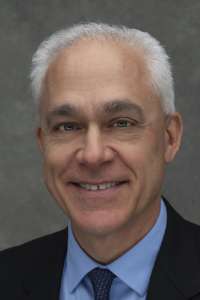
Tim Hein
Then … a thoughtful exchange between two directors.
Tim Hein simply asked why. Not in a negative response. Just curious. “Why do you believe that that’s needed?”
Paulsen said he appreciated the question.
“I’d love to buy you a beverage and sit down and talk at length about this. I’m very passionate about it, and I have a lot of ideas that I can’t possibly convey in the time available right now,” Paulsen said.
It turns out, the plan is for the two to meet on Friday.
Hein gave Clark County Today a preview of what he will say in his discussion with Paulsen.
Hein, a city councilor from Camas, is one of the two directors on the C-TRAN board who represent the smaller cities that make up C-TRAN. Paulsen is a city councilor from Vancouver.
“It’s a fact-finding mission to understand,” Hein said of the meeting.
“The important thing is to have a civil dialogue and to understand,” Hein said. “What do we think is going to happen and how does transit support our population and economic expectations?”
As a reminder, earlier this month Paulsen recommended that C-TRAN rework its 20-year plan, to consider fixed rail infrastructure throughout Vancouver and the Vancouver Urban Growth Area.
C-TRAN staff has been working on its 20-year plan — C-TRAN 2045 — for two years and was looking for guidance from the board as to how to move forward. Three options were presented: Cutting services, maintaining services, and growing services. All three had different costs for the public. Fixed rail, beyond the already planned TriMet light rail coming over the replacement bridge, was not part of the plan.
Paulsen spoke up, and then other board members, including Vancouver Mayor Anne McEnerny-Ogle, agreed that C-TRAN should look into the possibility.
Hein has his reservations, but he wants to hear from Paulsen on the subject.
While Hein does want to learn more, he is adamant that if C-TRAN pivots to large-scale rail projects in the 20-year plan, costs associated with such projects should not come out of the wallets of the citizens of the small cities.
“Any increase over the current rate, that’s Vancouver and the Vancouver Urban Growth Area,” Hein said. “Small cities aren’t paying. So, frankly, the Vancouver City Council and the Clark County Council are the ones who have to sell that to their constituents.”
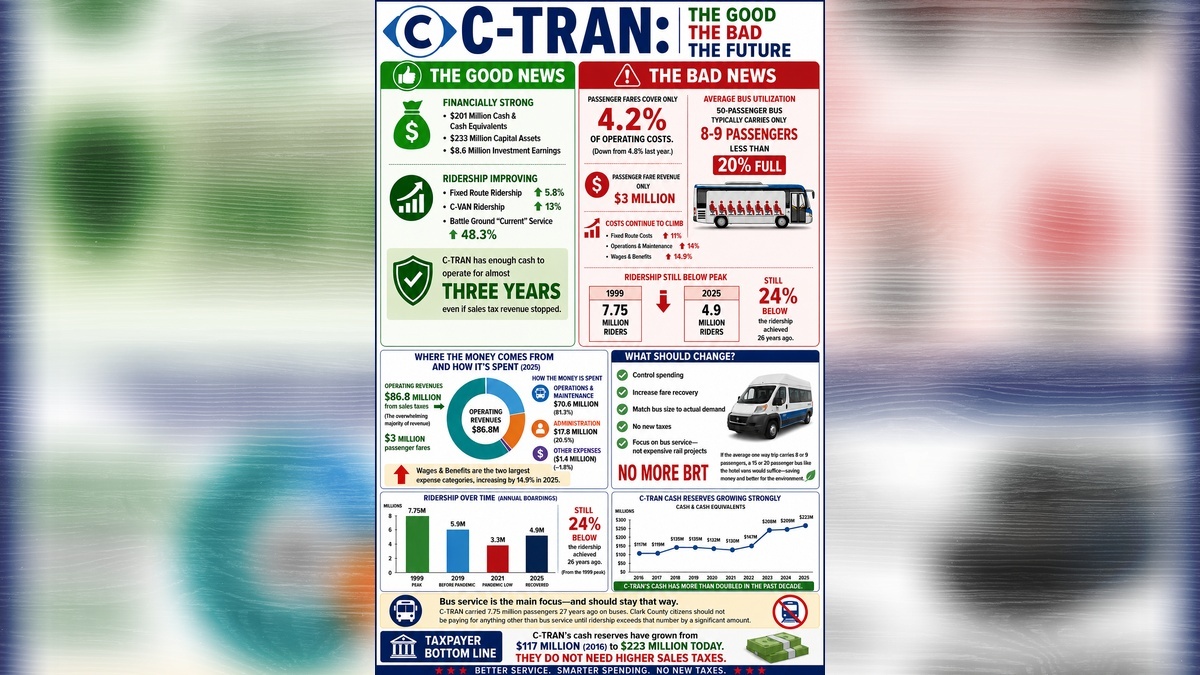
Paulsen’s comments during the workshop were a surprise to some in the room at the special meeting on June 9. C-TRAN staff has worked on the 20-year plan for two years, engaging with city leaders throughout Clark County, riders, and more. The 20-year plan option for growth includes asking C-TRAN voters for two small tax increases in the next 14 years — and those were for services that had nothing to do with fixed rail. Moving toward rail infrastructure would likely add even more costs.
“We have to get people to support what we have,” Hein said, noting that it might be a tough sell to ask for untold more for fixed rail.
Bart Hansen, city councilor from Vancouver and the chair of the C-TRAN board, also responded to Paulsen’s vision.
“I’m open to exploring all options, but I’m not optimistic about bringing light rail to downtown Vancouver after seeing what it costs to bring it to the waterfront,” Hansen said. “My foremost concern is making sure we have the best transit service for Clark County for the next 20 years.”
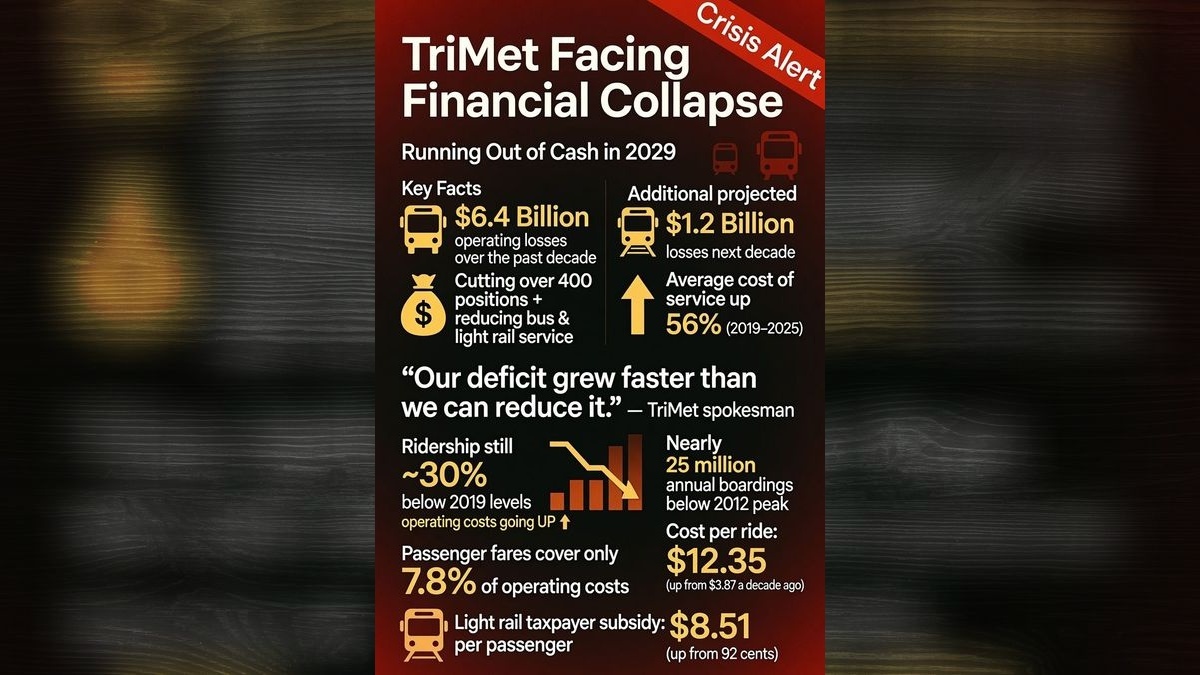
Cost estimates say at least $2 billion just for light rail to extend just more than a mile from the Expo Center in Portland to the Vancouver Waterfront atop the proposed replacement bridge.
Proponents of rail say population projections support the idea.
Hein is not so sure. He said many of the population projections were done before the state of Washington changed its policies through legislation, actions that are leading to businesses leaving the state.
“If you don’t have the growth, are you going to have ridership?” Hein asked.
Hein is a fan of bus routes, and systems such as Bus Rapid Transit. They can be moved to handle supply and demand. Fixed rail is just that, fixed. Hein referred to a quote from Gen. George Patten: “Fixed fortifications are a monument to the stupidity of man.”
John Ley, Republican state representative for District 18 and a critic of light rail, also had a reaction to Paulsen’s proposal.
“The city of Vancouver doesn’t have the population density to support rail transit service. Our C-TRAN buses do just fine,” Ley said. “The beauty of buses is they’re flexible in both routing and timing. They’re also more cost effective for each hour they operate.”
Ley said there is no demand for transit service that can hold larger numbers of people. The Vine — C-TRAN’s BRT system — adequately handles that, he said.
“Why would you explore any type of rail service that is a lot more expensive?” Ley asked.
Comments
Loading comments…