



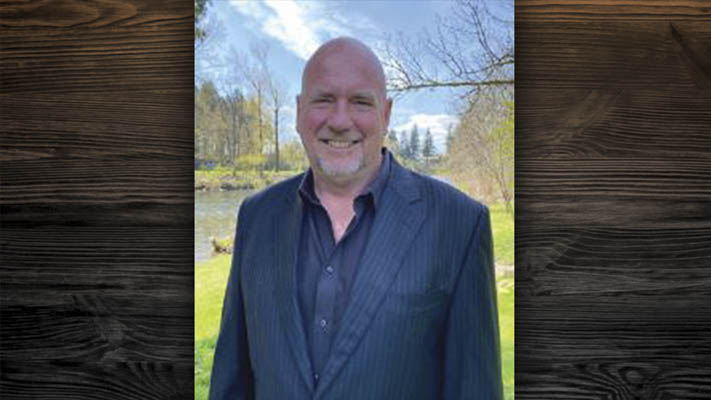
Rep. Paul Harris has announced his intention to run for the Washington State Senate in November
Washougal Mayor David Stuebe has officially declared his candidacy for the position of state representative to succeed Paul Harris in the 17th Legislative District. Harris has announced his intention to run for the Washington State Senate in November.
Here is a news release from the Steube campaign announcing his candidacy:
With a distinguished career in public service and a commitment to community, Stuebe brings a wealth of experience and a local perspective to the race.
A retired Marine Colonel, Stuebe’s leadership and dedication have long been evident in his military and community service. Drawing upon his extensive background, Stuebe pledges to champion critical issues such as public safety, affordable housing, and the development of stronger communities in Southwest Washington.
“Having served our nation in the Marine Corps for decades, I understand the importance of safety, security, and unity,” remarked Stuebe. “As Washougal’s Mayor, I’ve witnessed firsthand the challenges facing our community. Now, I’m ready to take that experience to Olympia and work tirelessly to address these issues at the state level. I have always finished what I started and intend to remain Mayor of Washougal.”
Throughout his tenure as Mayor, Stuebe has demonstrated a commitment to an environment where families can thrive, businesses can prosper, and everyone can feel safe. His platform prioritizes public safety initiatives that aim to bolster law enforcement resources, promote community policing efforts, and enhance emergency response capabilities.
Stuebe is dedicated to tackling the pressing issue of affordable housing and recognizes the strain it places on families across the state. He plans to advocate for policies that promote access to affordable options, address the homelessness crisis, and alleviate the burden of skyrocketing housing costs.
Stuebe emphasizes the importance of building stronger communities through investment in infrastructure, education, and healthcare. With a vision of collaboration, he seeks to bridge divides and promote unity among Washingtonians from all walks of life.
For more information about David Stuebe’s campaign call (503) 504-3099.
Also read:
- Michelle Belkot fired up over judge’s decision to dismiss her case against Clark County Council
 A federal judge dismissed Michelle Belkot’s claims that the Clark County Council violated her rights and public meeting laws by removing her from the C-TRAN Board after she opposed light rail funding.
 - Vancouver city leaders appreciate the feedback at Monday’s community forum
 Guests filled six tables as Vancouver officials listened to conversations sparked by structured questions touching on connection, barriers, and belonging.
 - Opinion: ‘Stay close, stay informed, stay the course’
 Anna Miller calls on residents to join Clark County Republican Women’s dinner, urging perseverance and unity as local government faces turbulent times.
 - Overnight closure planned on westbound SR 14 Camas Slough Bridge Tuesday
 WSDOT crews will close westbound SR 14 at Exit 14 in Camas to collect bridge deck samples and plan future repairs; detours will be in effect.
 - OII completes investigation of Clark County Sheriff’s Office use of deadly force
 Marc Fogle died after a fatal struggle with Deputy Bryson Layton following a DUI crash; prosecutors will decide on charges after review of OII’s findings.
 - Video: Can accelerated home construction replace need for WA income tax?
 A new report suggests boosting housing production by 20,000 units yearly could bring in over $600 million in revenue, offsetting a portion of proposed income tax revenue.
 - WA Gov. Ferguson to meet with NBA commissioner as hopes rise for Sonics’ return
 The meeting this week comes before a vote that could clear the way for the league’s expansion to Seattle Jake Goldstein-StreetWashington State Standard Washington Gov. Bob Ferguson on Thursday previewed an upcoming meeting with NBA Commissioner Adam Silver ahead of a planned vote on league expansion that could bring men’s professional basketball back to Seattle. …
 wpDiscuz
