



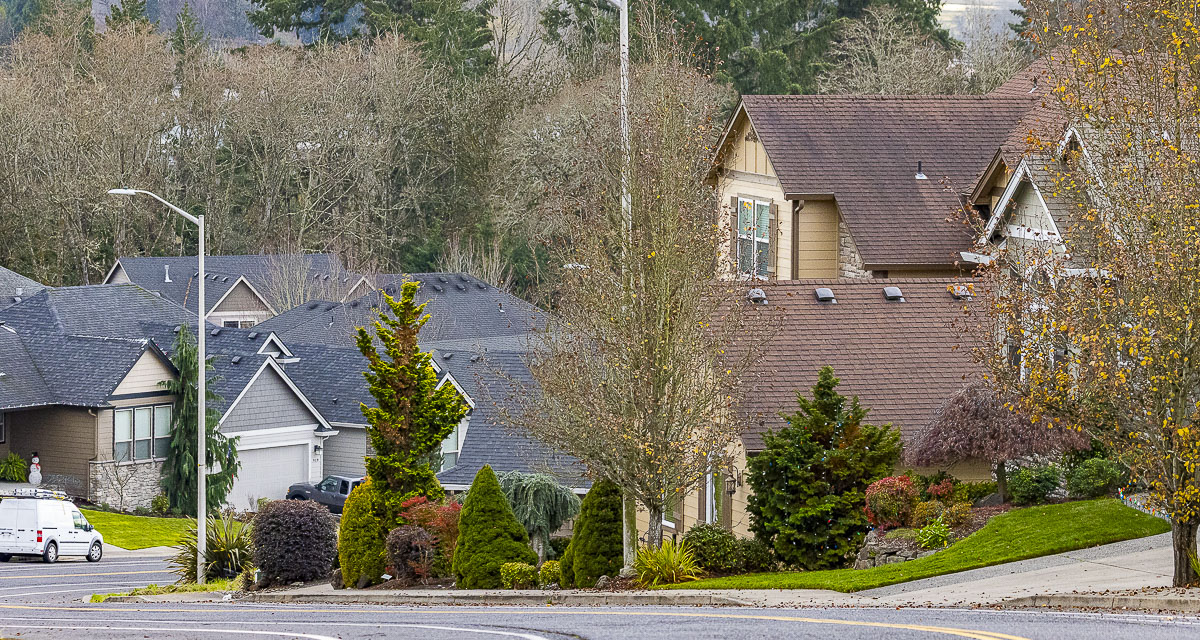
Democrats are ending their bid to repeal a voter-approved limit on property tax growth
Jerry Cornfield
Washington State Standard
The property tax battle of 2025 is over in the Washington state Legislature.
Democrats are ending their bid to repeal a voter-approved limit on property tax growth, excising one of the most controversial revenue-raising ideas they’ve pursued this session.
The proposal, embedded in House Bill 2049, seeks to allow an increase in the growth factor from the current 1% cap to the combined rate of population growth plus inflation within a taxing district, not to exceed 3%. This would apply to the state’s common schools levy and for cities and counties, as well as special purpose districts.
A fiscal analysis projected that uncapping the state property tax would net an additional $200 million for public schools and potentially $236 million for local governments in the next budget. The bill passed the House Finance Committee on Saturday and is expected to be voted on by the House today.
But Rep. Steve Bergquist, D-Renton, the bill’s sponsor, filed an amendment Sunday to remove sections on the growth limit, effectively ending Democrats’ pursuit of the change.
“It’s my understanding we don’t have a three-corners agreement on those provisions,” Bergquist said Monday morning.
Three-corners refers to the Democratic leadership of the House, Senate and Democratic Gov. Bob Ferguson.
Ferguson declined to discuss the conversations but said shelving the property tax plan was the correct move.
“We have to look at a lot of revenue sources, and I think we need to minimize the impacts on working people in the state,” he said Monday morning. “So I think they made the right decision.”
Without the property tax change, the bill will be focused on education funding and providing school districts with the ability to collect more revenue from voter-approved local levies.
From the outset of the session — now just six days from ending — Democrats’ desire to increase the limit has been fiercely opposed by Republican lawmakers and others who warned the measure would drive up living and housing costs.
A year ago, Senate Democrats pushed to erase the cap solely for cities and counties. It too ran into a buzzsaw of opposition, forcing the majority party to set it down.
This report was first published by The Washington State Standard.

Also read:
- Opinion: The legislature has committed $2.4 billion to recurring pension increases since 2018
 Six legislative COLAs have raised public employer costs by $2.38 billion since 2018, driving up unfunded pension liabilities and increasing burdens on county and city budgets.
 - Opinion: ‘Just because they got away with it doesn’t mean they weren’t wrong’
 A Skamania County deputy’s report found violations of county rules and the Open Public Meetings Act, but no prosecutor acted on the findings.
 - More drama at Clark County Council in regard to its representatives on the C-TRAN Board
 Councilors debated whether C-TRAN board representatives must follow group mandates, with Michelle Belkot refusing to commit to new voting rules and Glen Yung opposing her nomination.
 - Opinion: Small things grow great by concord
 Washington’s initiative process gives citizens direct power to challenge lawmakers. Failed restrictions and new measures on girls’ sports, parental rights, and citizenship prove the influence of grassroots action.
 - Opinion: California’s $20 fast food minimum wage creates less jobs and lower income
 Study data show California fast food workers now face fewer shifts, higher menu prices, and widespread automation after the $20 wage hike.
 wpDiscuz
