




Initiative 2117, which would have repealed the Climate Commitment Act passed by lawmakers in 2021, was rejected by 61.7% of voters in Tuesday night returns
Carleen Johnson
The Center Square Washington
Washington voters have chosen to keep the state’s controversial cap-and-trade program that critics say substantially raised fuel prices while generating billions of dollars, ostensibly to fight climate change.
Initiative 2117, which would have repealed the Climate Commitment Act passed by lawmakers in 2021, was rejected by 61.7% of voters in Tuesday night returns.
Just over 38% of voters supported the measure.
“These numbers can change but I don’t know if we’ve got enough ‘gas in tank’ to flip this over,” said Brian Heywood, founder of Let’s Go Washington, the conservative political group that backed the measure, during a Tuesday night election party in Kirkland.
The CCA, which went into effect at the beginning of 2023, provides for carbon auctions as part of a program designed to reduce greenhouse gas emissions by 95% by 2050. Under the CCA, emitters are required to obtain emissions allowances equal to their covered greenhouse gas emissions at quarterly auctions hosted by the state Department of Ecology, or traded on a secondary market, like stocks and bonds.
Backers of the NO on 2117 campaign claimed the initiative had the potential to reduce state revenue by $3.9 billion through 2029 and would eliminate investments in public transit, pedestrian safety, ferry electrification, air quality, renewable energy, and more.
Opponents of the CCA were critical of the lack of transparency and accountability regarding how CCA money is being spent and what it would cost Washingtonians.
When the CCA took effect in the summer of 2023, gas prices in Washington shot up as much as 50 cents a gallon, something critics blasted Gov. Jay Inslee over as he had stated the mandates would impact gas prices by “pennies” at most.
No on 2117 backers argued CCA-funded projects provide thousands of family wage jobs.
According to Greenline Insights, jobs created by the CCA offer an average employee compensation of $91,000 per year, which is 9% higher than the state median.
The third-quarter auction for the carbon market was conducted on Sept. 4 and ended up with a $29.88 price per allowance, far less than the state projected. The auction raised an estimated $157 million.
Backers of the NO on 2117 campaign claimed the initiative had the potential to reduce state revenue by $3.9 billion through 2029 and would eliminate investments in public transit, pedestrian safety, ferry electrification, air quality, renewable energy, and more.
Opponents of the CCA were critical of the lack of transparency and accountability regarding how CCA money is being spent and what it would cost Washingtonians.
When the CCA took effect in the summer of 2023, gas prices in Washington shot up as much as 50 cents a gallon, something critics blasted Gov. Jay Inslee over as he had stated the mandates would impact gas prices by “pennies” at most.
No on 2117 backers argued CCA-funded projects provide thousands of family wage jobs.
According to Greenline Insights, jobs created by the CCA offer an average employee compensation of $91,000 per year, which is 9% higher than the state median.
The third-quarter auction for the carbon market was conducted on Sept. 4 and ended up with a $29.88 price per allowance, far less than the state projected. The auction raised an estimated $157 million.
This report was first published by The Center Square Washington.

Also read:
- Opinion: Washington’s broken trust
 Dave Upthegrove’s 80,000-acre forest ban is forcing rural school districts into state financial control and massive teacher layoffs.
 - Opinion: Cue the revenuers
 State hiring 300 tax collectors this summer even though income tax revenue won’t arrive until 2029.
 - Opinion: Everything about TriMet screams ‘poor management’
 Rep. John Ley examines TriMet’s $850 million operating loss and 75% cost increase for MAX light rail service.
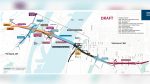
 - Vancouver City Council approves resolution asking IBR to extend light rail to Library Square
 Council wants light rail extended beyond waterfront to connect with C-TRAN at Library Square station.
 - 49th Legislative District Democrats share their reasons for backing state income tax at Town Hall
 Three Democrat legislators defended the new income tax affecting only those earning over $1 million annually.
