


Tim Henderson
Washington State Standard
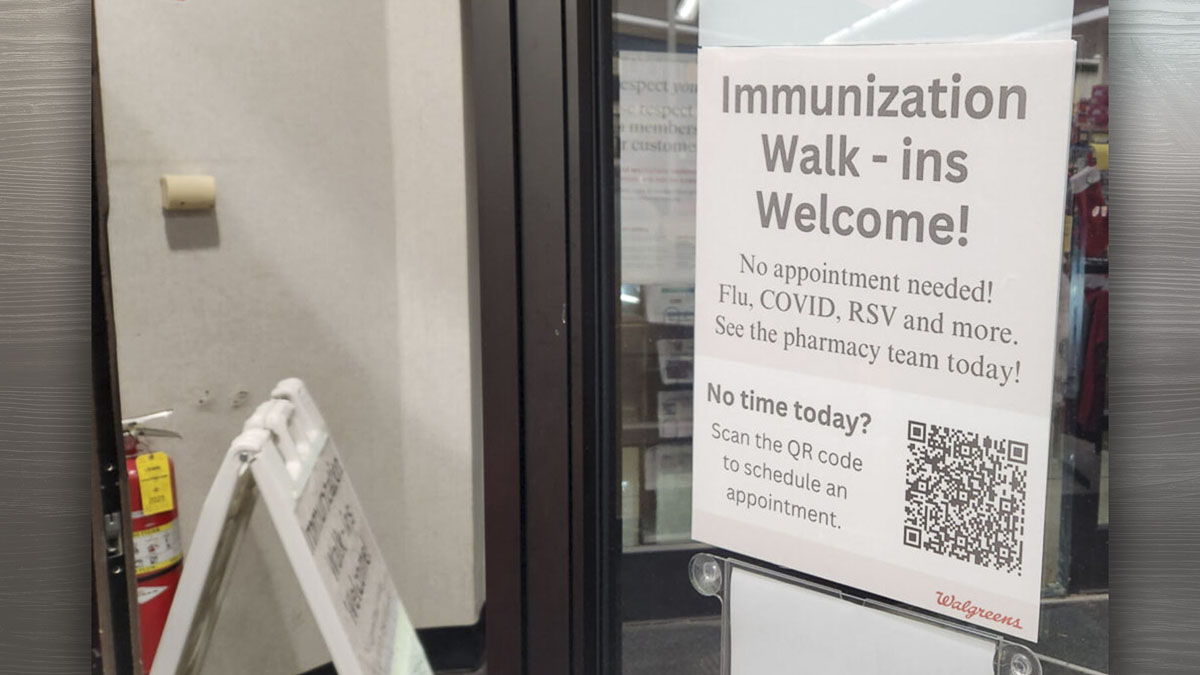
Twenty-nine states and the District of Columbia now reject at least some federal vaccine guidance as the federal Centers for Disease Control and Prevention continues to de-emphasize the importance of childhood vaccinations under U.S. Health and Human Services Secretary Robert F. Kennedy, Jr., according to research by KFF, a nonprofit health policy organization based in California and Washington, D.C.
The tally as of March 10 reflects states that have announced they will go their own way on childhood vaccines since last May, when Kennedy began to make changes to the vaccine schedule. Those changes culminated with a reduction in recommended routine childhood vaccinations, from 13 to 7, as of January.
New state-by-state recommendations reflect a partisan divide, as all states with Democratic governors have rejected federal childhood vaccine guidance while many Republican states have not.
Virginia announced in February that it would not follow CDC guidelines, a change after the inauguration of Democratic Gov. Abigail Spanberger, who took over after a Republican predecessor. Spanberger had campaigned on the issue, saying she would not support a rollback of childhood vaccinations.
In Florida, the state Senate passed a bill March 9 making it easier for parents to let their children go unvaccinated, though state House leaders have said they will not consider a similar bill despite support for it from Republican Gov. Ron DeSantis.
In Louisiana, the state has adopted a policy of not promoting vaccines or holding clinics. Republican U.S. Sen. Bill Cassidy, a physician who reluctantly agreed to Kennedy’s confirmation despite objecting to his views on vaccines, is facing a primary fight.
Fifteen Democrat-led states sued Kennedy in federal court in February, seeking a reversal of the new vaccine guidelines. A preliminary hearing is scheduled May 29.
Some states have created formal alliances to share health information. The Northeast Public Health Collaborative, composed of Connecticut, Maine, Maryland, Massachusetts, New Jersey, New York state, Pennsylvania, Rhode Island, Vermont and New York City, said in January it will continue following guidance from the American Academy of Pediatrics instead of the federal government.
The American Academy of Pediatrics released its immunization schedule for 2026, which kept in place the schedule as it was before HHS’s overhaul. Twelve medical professional organizations endorsed the academy’s schedule.
And governors of 14 states have formed another alliance to share public health information, including on vaccines. The updated CDC guidance “creates confusion and introduces unnecessary barriers for families who want to protect their children from serious illness,” said the Governors Public Health Alliance in a January news release. The governors are all Democrats, though the group says it is nonpartisan.
This story was originally produced by Stateline, which is part of States Newsroom, a nonprofit news network which includes Washington State Standard, and is supported by grants and a coalition of donors as a 501c(3) public charity.
Also read:
- Opinion: Were Republican voters just sleeping during the August primary election?
 CCRP Chairman Matt Bumala says 60% of primary no-shows in the 17th and 18th districts were Republicans.
 - High school football: New coach prepares for long-term success at Prairie High School
 James Young-Lewis, a Clark County native who graduated from Evergreen in 2009, became Prairie’s head coach in May after working as an assistant coach across various programs since 2015, joining Prairie’s staff in 2024.
 - Cost to battle 20 wildfires in WA has topped $200M
 Twenty wildfires have cost Washington $207M in one month, more than two-thirds of what DNR spent all last fiscal year.
 - Opinion: WA Cares’ launch showcased care WA Cares did not provide
 Gov. Ferguson showcased a caregiving arrangement at the WA Cares launch that the program had not paid for a single day of.
 - Former State Rep. Liz Pike provides update on husband Neil Cahoon
 Neil Cahoon, a Camas resident, has undergone multiple surgeries including five on Aug. 15 after the Aug. 10 crash near La Center’s Daybreak Airport.
 - Opinion: Portland’s War on Cars Part 4 – A smarter automobile strategy to end gridlock
 O’Toole argues fuel wasted in Portland-area congestion has sextupled since 1982, generating 250,000 tons of extra greenhouse gases annually.
 - $1,000 first prize for Camas Plein Air Art Event honoring Marquita Call on Sept. 26
 Plein air artists compete Sept. 26 in Camas for $1,000 first prize honoring gallery founder Marquita Call.