



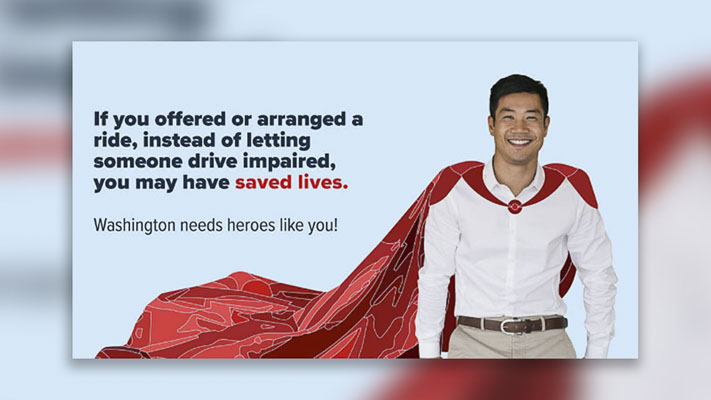
As Washington prepares to celebrate and enter the holiday season, WTSC, together with Target Zero Region 6 Task Force, is calling on drivers to be sober
Clark County – Law enforcement agencies participating in the Region 6 Target Zero Task Force, are adding extra holiday season DUI patrols thanks to a grant from the Washington Traffic Safety Commission (WTSC).
Participating local agencies include:
- Battle Ground Police Department
- Clark County Sheriff’s Office
- Clark Regional Emergency Services Agency
- Vancouver Police Department
- Ridgefield Police Department
- Washington State Patrol
You can make a difference in our community this holiday season by committing to always plan ahead. In Washington, the goal is to have zero people in your household involved in a serious or fatal crash.
Celebrate responsibly, and pledge to always have a plan, whether you are hosting, driving, or riding.
- Before celebrating PLAN, a safe and 100% sober ride home
- INTERVENE, when safe to do so, and prevent someone from getting behind the wheel if they have used alcohol, cannabis, or other drugs
- Offer to be a SOBER-DESIGNATED DRIVER
- Hosts, make sure to remind your guests to have SOBER RIDE home or offer a space for them to stay
- If you see an impaired driver, call 911
- Always wear your SEAT BELT, it is your best protection against impaired drivers
As Washington prepares to celebrate and enter the holiday season, WTSC, together with Target Zero Region 6 Task Force, is calling on drivers to be sober and for everyone to intervene to prevent someone from driving impaired when safe to do so.
“Everyone can be a hero when it comes to saving a life from someone driving drunk or high,” said Mark Medalen, program manager at WTSC. “That means making a plan that doesn’t put you behind the wheel if you are drinking or using cannabis. Most people in Washington will also step in to protect lives by preventing someone else from driving impaired.”
Medalen said acceptable and effective interventions for impaired driving include calling 9-1-1 if you see someone on the road you suspect may be impaired.
“Seeing someone you think is driving drunk or high – and at risk for hurting themselves or others – is the definition of emergency,” said Medalen. “If you encounter someone on the road who might be impaired, call 9-1-1 so law enforcement can step in and possibly prevent a crash. Your call could save someone’s life.”
If you are driving and see a suspected impaired driver, call 9-1-1.
If you or someone you know struggles with substance abuse, there’s help: Call 1-800-662-HELP (4357)
Follow Target Zero on Twitter @TargetZero_6 and Instagram TargetZero_Region6
Also read:
- State Representatives McClintock and Ley answer questions at town hall in Battle Ground
 Residents voiced rising concerns about property taxes, school funding debates, the impact of new income tax legislation, and major costs tied to the Interstate Bridge plan.
 - As Washington gets an income tax, the fight to overturn it begins
 Opponents are organizing lawsuits and potential ballot measures to challenge the new 9.9% income tax on Washington households earning over $1 million.
 - Battle Ground Police arrest suspect in fatal 2025 crash
 Laboratory results from a blood sample collected in 2025 provided probable cause for police to arrest Michael T. Smith, more than a year after the Battle Ground crash.
 - Vancouver Police seeking missing person
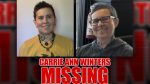 Vancouver Police are searching for 62-year-old Carrie Ann Winters, who was last known to be near Frenchman’s Bar in west Vancouver. She has distinctive tattoos.
 - VIDEO: WA diesel hits record $6.53, crushing truckers and school budgets
 With diesel nearing $6.53 per gallon in Washington, trucking businesses and school districts now confront sharply higher fuel expenses affecting budgets and workers.
 - WA’s status solidifies as one of the most expensive places in US
 A new study shows Washington outpaces most states on cost of living, with metrics revealing a sharp rise in daily expenses and major metro areas ranking among the nation’s most expensive.
 - Opinion: Someone explain the Democrat Party to me please
 Lars Larson criticizes Democrat politicians for shutdown threats, Homeland Security funding refusals, and positions on election laws, housing, and gun rights.
