



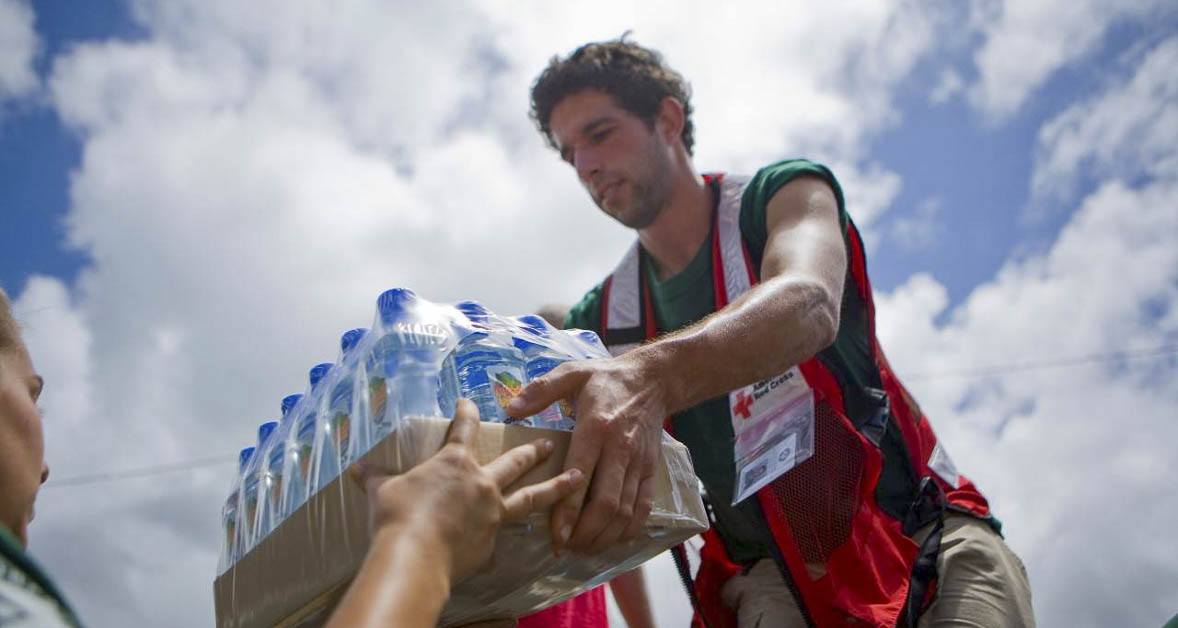
Extreme heat is deadly and kills more people than any other weather event
Residents in Southwest Washington are on track to break high temperature records over the next couple of days. This creates a health risk for vulnerable populations and should be taken seriously.
Extreme heat is deadly and kills more people than any other weather event. In addition to that, the climate crisis is making extreme heat events more frequent, more severe, and last longer.
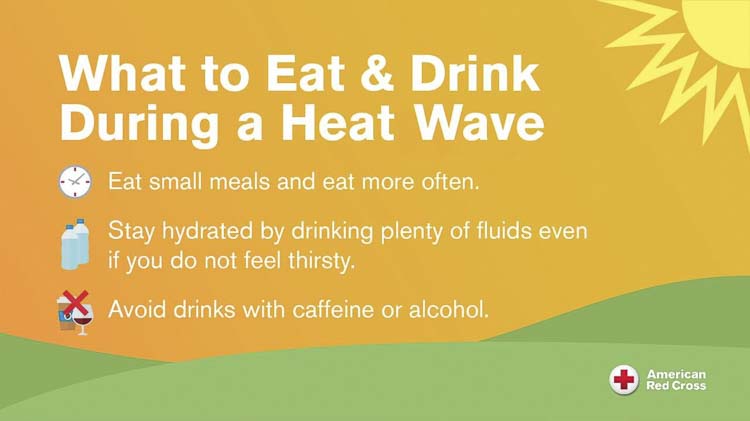
The American Red Cross recommends taking four steps to stay safe in extreme heat:
- Slow down by postponing or limiting outdoor activities. If you must work outdoors, take frequent breaks, and avoid the hottest part of the day. Never leave children or pets in your vehicle alone.
- Stay hydrated by drinking plenty of water and avoiding sugary, caffeinated, and alcoholic drinks. Check that animals also have access to fresh water and shade.
- Spend time indoors in an air-conditioned place. If you don’t have air conditioning, go to a public library, shopping mall or public cooling center. Check on loved ones and neighbors who may be at risk and don’t have air conditioning.
- Organize supplies in a Go Kit or Stay-at-Home Kit. In the event of a power outage, have supplies including batteries and chargers for your devices like flashlights, cell phones, CPAP machines, wheelchairs, etc. Have fresh water, nonperishable foods, and medications on hand.
Learn more extreme weather tips HERE.
Red Cross Emergency App HERE
The all-inclusive Emergency App combines more than 35 emergency alerts to help keep the user safe including information about what to do in case of floods, thunderstorms, hurricanes, earthquakes, tornadoes, wildfires and more. The emergency alerts are available for the user’s location and to monitor where friends and family live. A single map provides open Red Cross shelter locations and weather information. Download HERE
About the American Red Cross
The American Red Cross shelters, feeds, and provides comfort to victims of disasters; supplies about 40 percent of the nation’s blood, including 65 hospitals in the Northwest; teaches skills that save lives; distributes international humanitarian aid; and supports veterans, military members, and their families. The Red Cross is a nonprofit organization that depends on volunteers and the generosity of the American public to deliver its mission. For more information, visit www.redcross.org or www.CruzRojaAmericana.org or follow on social media.
Also read:
- 49th Legislative District Democrats share their reasons for backing state income tax at Town Hall
 Three Democrat legislators defended the new income tax affecting only those earning over $1 million annually.
 - Letter: Freeze the scope and build the bridge
 Vancouver resident calls for project discipline after 22 years of planning and nearly half a billion in costs.
 - Ekklesia Theatre presents ‘Every Brilliant Thing’
 Interactive theatre production donates 50% of ticket sales to local counseling services.
 - Opinion: Public workers’ First Amendment rights are getting attention – in Idaho, not Washington
 Idaho moves to stop public schools from collecting union dues through government payroll while Washington continues favoring unions over worker choice.
 - Opinion: Lawsuit filed against the unconstitutional income tax in Washington state
 Former Attorney General Rob McKenna and Supreme Court Justice Phil Talmadge challenge the 9.9% income tax in Klickitat Superior Court.
 - Vancouver Police investigate domestic violence homicide
 Vancouver Police Major Crimes Unit investigating after woman found dead with knife wounds on NE Oakbrook Circle.
 - Letter: ‘Oregon and Washington aren’t refusing to clean their rolls — they’re contesting federal jurisdiction and timing’
 Camas resident challenges Lars Larson’s fraud claims, explaining legal disputes over federal jurisdiction.
