



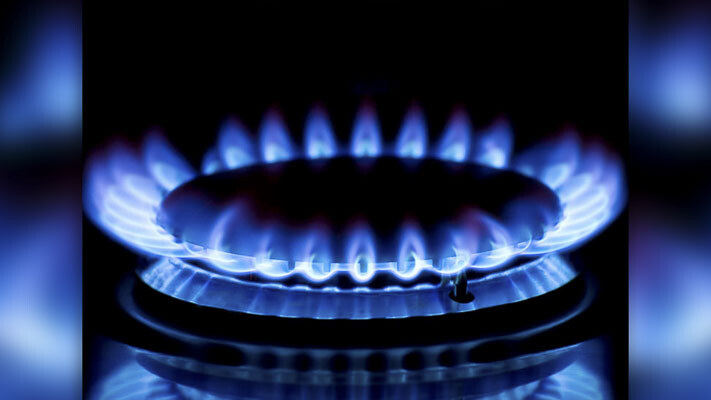
The opposition from Republicans focused on the increased energy rates, along with the added costs to house construction in return for an unknown environmental impact
TJ Martinell
The Center Square Washington
The Washington state House has passed a bill that would prohibit Puget Sound Energy, or PSE, from extending natural gas to new buildings starting in June, the first proposal of its kind in the country. The vote came just days after a group of tradesmen and building industry members filed a lawsuit against the State Energy Code Council for a similar natural gas ban on a statewide level.
“Being first in the nation is great, but it’s not free and it’s definitely not cheap,” Rep. Kelly Chambers, R-Puyallup, told colleagues on the House floor.
The bill drew intense opposition from other Republicans prior to the March 6 vote of 52-44, with Minority House Leader J.T. Wilcox, R-Yelm, later tweeting that the legislation was “the most poorly thought-out major bill I’ve ever seen” and predicting that it “Will cause redesign, delay, extra costs.”
PSE is the largest utility provider in Washington, with 1.1 million electric customers and 800,000 natural gas customers in six counties. The natural gas is 100 percent purchased, 50% of which comes from British Columbia and the other half from states in the Rocky Mountains.
Under House Bill 1589, PSE would have to file a gas decarbonization and an electrification plan with the Utilities and Transportation Commission, or UTC. Gas-backups would not be permitted under the electrification plan. At the same time, PSE would be guaranteed 60 percent ownership of the clean energy it needs to comply with the 2019 Clean Energy Transformation Act, or CETA.
Sponsor Rep. Beth Doglio, D-Olympia, was the only legislator to speak in favor of the bill prior to its vote. She said, “This policy is designed to provide them (PSE) with additional regulatory tools to help them decarbonize and to ensure customers are protected along the way.” Acknowledging that energy rates would go up due to the transition from natural gas, she said the bill would provide “aggressive financial assistance” to “keep rates fair and just.”
The opposition from Republicans focused on the increased energy rates, along with the added costs to house construction in return for an unknown environmental impact. Data from the Environmental Protection Agency shows that Washington made up 1.4% of total U.S. emissions in 2020 and 1.6% in 2019.
“This may be a win for the goals of one utility that serves over a million customers in western Washington, but those customers may not feel that it was such a good win for them,” Rep. Mary Dye, R-Pomeroy, told colleagues on the House floor. “It benefits the stockholders, but doesn’t offset the cost to the ratepayers.”
Rep. Peter Abbarno, R-Centralia, said, “It’s going to raise the cost for both residential and commercial customers and “increase cost to build housing, and that’s a huge issue we’ve had in this state.”
HB 1589 will now advance to the state Senate.
This report was first published by The Center Square Washington.
Also read:
- Dollars flowing into a pair of hotly contested WA congressional races
 Amanda McKinney leads 4th District GOP field with $523,892 raised, while Braun trails significantly behind incumbent.
 - Final Supplemental Environmental Impact Statement published for Interstate Bridge Replacement Program
 Federal agencies published the final environmental impact statement for the Interstate Bridge replacement project.
 - Belkot appeals judge’s decision to dismiss her case against Clark County
 Belkot’s attorney says the federal appeals court will hear the case in several months after judge dismissed all five claims.
 - Union baseball, softball teams honor military, veterans, and first responders
 Baseball and softball teams combined efforts to recognize military heroes and first responders with ceremonial pitches.
 - Union baseball, softball teams honor military, veterans, and first responders
 Baseball and softball teams combined efforts to recognize military heroes and first responders with ceremonial pitches.
 - Speed cameras designed to bring added safety to work zones
 WSP issued 65,000 infractions in first year, with 59,000 being penalty-free first offenses as program expands statewide.
 - Cathy Doriot retiring as the Ridgefield Chief of Police
 Chief Cathy Doriot expanded Ridgefield PD with detective, sergeants, officers and drone program during her tenure.
 wpDiscuz
