



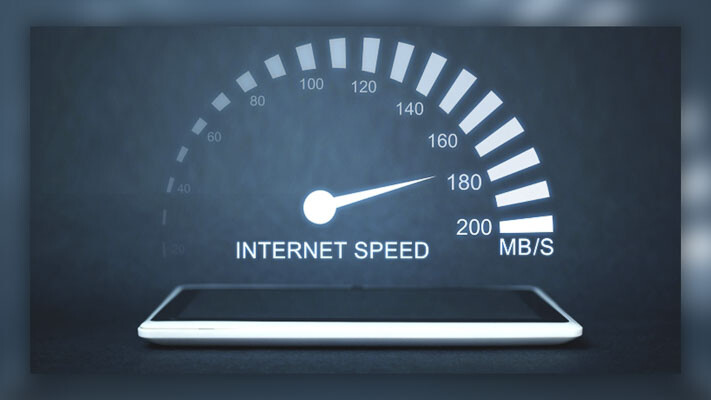
The project’s goal is to improve internet access in areas that are currently unserved or underserved
VANCOUVER – Clark County is participating in a statewide project to improve high-speed internet access. As part of this project, the county is surveying the community about their access to high-speed internet. Surveys are being sent to community institutions, nonprofit organizations, groups, service providers and residents. The project’s goal is to improve internet access in areas that are currently unserved or underserved.
Access to reliable, high-speed internet is essential for work, education and accessing goods and services. While high-speed internet access is essential, it is not available to everyone. The federal Infrastructure Investment and Jobs Act is making $65 billion available to increase access to high-speed internet. To apply for federal funds, the state is creating an application based on Broadband Action Plans and Digital Equity Action Plans created by counties. Even as Clark County grows rapidly, we know that some residents and areas don’t have regular access to internet that is fast and reliable. This project will help us identify where internet access in Clark County could be improved. It will also identify assets and partners to support new internet infrastructure and increased access.
Surveys for community organizations, groups and service providers were sent May 3 and 4. Survey responses are due by May 17.
Residents can complete a survey about their home’s internet access by going to bit.ly/clark-co-internet-survey. Residents can also call (564) 397-4944 to complete the survey by phone. An option to complete the survey in Spanish and Russian will be available by May 10. To complete the survey in other languages, residents should call the number above. They should be prepared to tell staff what language they need an interpreter for. The residential survey is open through 4 p.m. Friday, May 19.
Data from all surveys will be combined and analyzed to identify how high-speed internet access in Clark County can be improved.
For information about road and park projects, closures, opportunities for community input, and more, residents can follow Public Works on Twitter, Facebook and Instagram and view information on Nextdoor.
Go to clark.wa.gov/public-works and click on “News” to read this information in another language. Click the button in the top right of the page that says “Change language” next to a globe icon and choose your preferred language.
Information provided by Clark Co. WA Communications.
Also read:
- Opinion: New study – Washington’s homelessness problem is worse than you think (and avoidable)
 New data reveals Washington ranks first in chronic homelessness and per-capita overdose deaths nationwide.
 - Records reveal WA millionaire’s tax is meant to legalize progressive income tax
 Nearly 1,000 pages of records reveal coordinated effort between attorney general’s office and Democratic leaders to overturn constitutional ban.
 - Drivers may experience traffic delays and closures during summer road preservation work in Clark County
 Multiple preservation methods including slurry seal, chip seal and hot mix asphalt will impact county roadways.
 - Vancouver Police investigate collision involving a pedestrian
 Driver remained cooperative while traffic unit investigates serious injury collision at Mill Plain and Lincoln.
 - Friends and family invited to pair of Friday services for Lucille Erma Madore and Francis Eugene Madore
 Francis Eugene Madore flew 103 combat missions in WWII and earned the Distinguished Flying Cross with 17 Oak Leaf Clusters.
 - Opinion: Tax day is painful enough without Washington adding its own
 Washington’s new 9.9% income tax mirrors federal pattern: start narrow, expand to hit everyone within years.
 - Letter: ‘Public trust in elections isn’t maintained by repeating talking points’
 Camas resident demands answers after ballots discovered next to trash can, endorses Quiring O’Brien for auditor.
 wpDiscuz
