


Lasting anywhere from 30 seconds to a couple of minutes, the cold-shock response can be deadly by itself
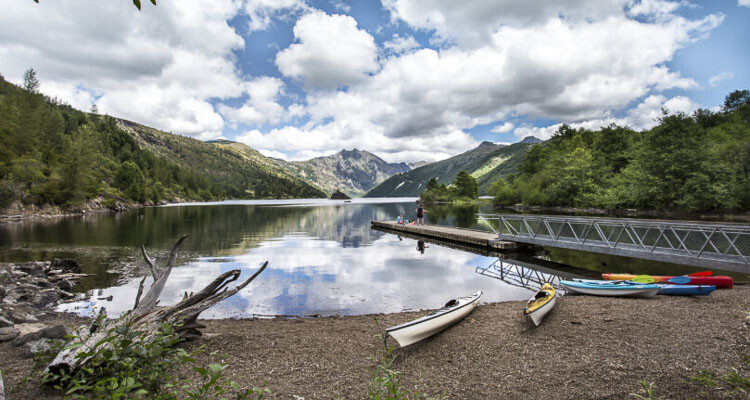
As temperatures heat up this week across Washington and people seek relief in waterways across the state, Rep. Peter Abbarno is warning potential swimmers against the deadly risk of cold-water shock.
“The outdoor temperatures may be reaching into the 80s or higher, but our rivers, streams and lakes are still being fed by extremely cold mountain water. These low temperatures are very dangerous right now to swimmers who very easily could experience cold-water shock,” said Abbarno, R-Centralia.
According to the U.S. Coast Guard, the human body responds to cold water immersion with an increased heartbeat and blood pressure, faster breathing, uncontrolled gasping, and sometimes uncontrolled movement. Lasting anywhere from 30 seconds to a couple of minutes, the cold-shock response can be deadly by itself. Victims may panic, take on water in that first uncontrolled gasp, cold incapacitation sets in, making it difficult for the person to move arms and legs, hypothermia begins, and as many as 20% die in the first two minutes.
Abbarno is the prime sponsor of House Bill 1004, also known as “Zack’s Law,” which is named in honor of 18-year-old Zachary Lee Rager, an experienced swimmer who fell victim to cold-water shock and drowned in the Chehalis River on March 23, 2021. The bill, which passed the Legislature unanimously during the 2023 session and was signed into law, requires state government agencies and local governments to erect signs warning of drowning hazards when replacing or erecting signs near dangerous water hazards.
“Many people don’t know the dangers of cold-water shock. Unfortunately, Zack found out how cold that water was when he jumped in. He immediately gasped. He went under the water and his friends never saw him again,” said Abbarno. “I want to make sure other families do not experience that tragedy and heartbreaking loss of a loved one to this hidden and deadly danger. The first step is to prevention is awareness.”
Abbarno noted just this week, emergency crews from the Lacey area rescued seven people rafting in the Nisqually River who ended up in the cold water.
“Emergency officials say that although these people were not hurt, they were unprepared with inadequate equipment, had no life jackets, and it could have turned out much worse,” said Abbarno.
“As a father and a husband, I enjoy recreational activities outdoors with my family all the time. I’m not discouraging others from spending quality time with their families outdoors across our beautiful Washington state. But let’s look out for each other and make sure everyone is aware of this preventable danger so we all can enjoy many sunny outdoor days ahead,” Abbarno concluded.
Information provided by Washington State House Republicans
houserepublicans.wa.gov
Also read:
- Opinion: Were Republican voters just sleeping during the August primary election?
 CCRP Chairman Matt Bumala says 60% of primary no-shows in the 17th and 18th districts were Republicans.
 - High school football: New coach prepares for long-term success at Prairie High School
 James Young-Lewis, a Clark County native who graduated from Evergreen in 2009, became Prairie’s head coach in May after working as an assistant coach across various programs since 2015, joining Prairie’s staff in 2024.
 - Cost to battle 20 wildfires in WA has topped $200M
 Twenty wildfires have cost Washington $207M in one month, more than two-thirds of what DNR spent all last fiscal year.
 - Opinion: WA Cares’ launch showcased care WA Cares did not provide
 Gov. Ferguson showcased a caregiving arrangement at the WA Cares launch that the program had not paid for a single day of.
 - Former State Rep. Liz Pike provides update on husband Neil Cahoon
 Neil Cahoon, a Camas resident, has undergone multiple surgeries including five on Aug. 15 after the Aug. 10 crash near La Center’s Daybreak Airport.
 - Opinion: Portland’s War on Cars Part 4 – A smarter automobile strategy to end gridlock
 O’Toole argues fuel wasted in Portland-area congestion has sextupled since 1982, generating 250,000 tons of extra greenhouse gases annually.
 - $1,000 first prize for Camas Plein Air Art Event honoring Marquita Call on Sept. 26
 Plein air artists compete Sept. 26 in Camas for $1,000 first prize honoring gallery founder Marquita Call.