
As the United States marks the 250th anniversary of its founding, one of Southwest Washington's most enduring landmarks offers a tangible connection to nearly two-thirds of the nation's history.
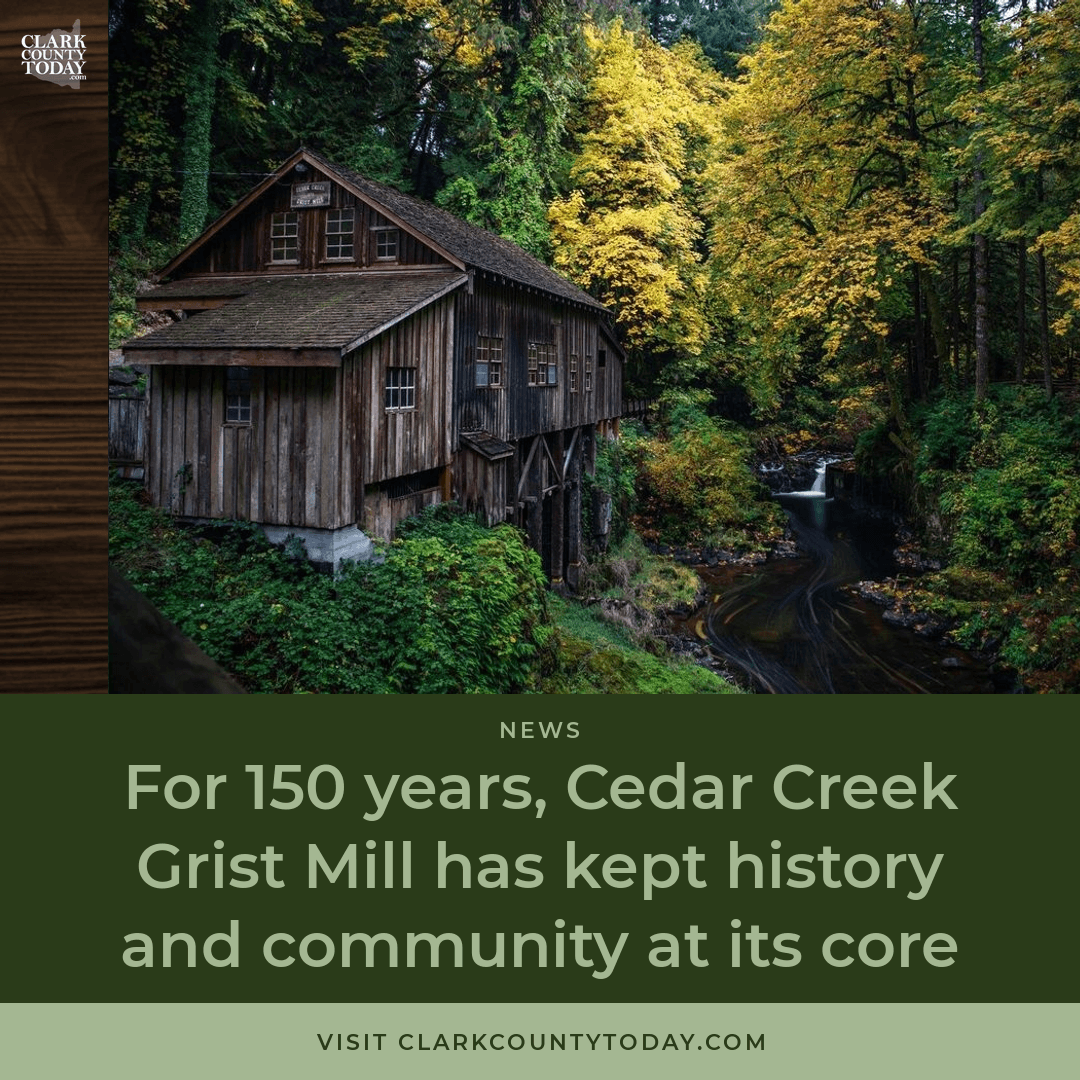
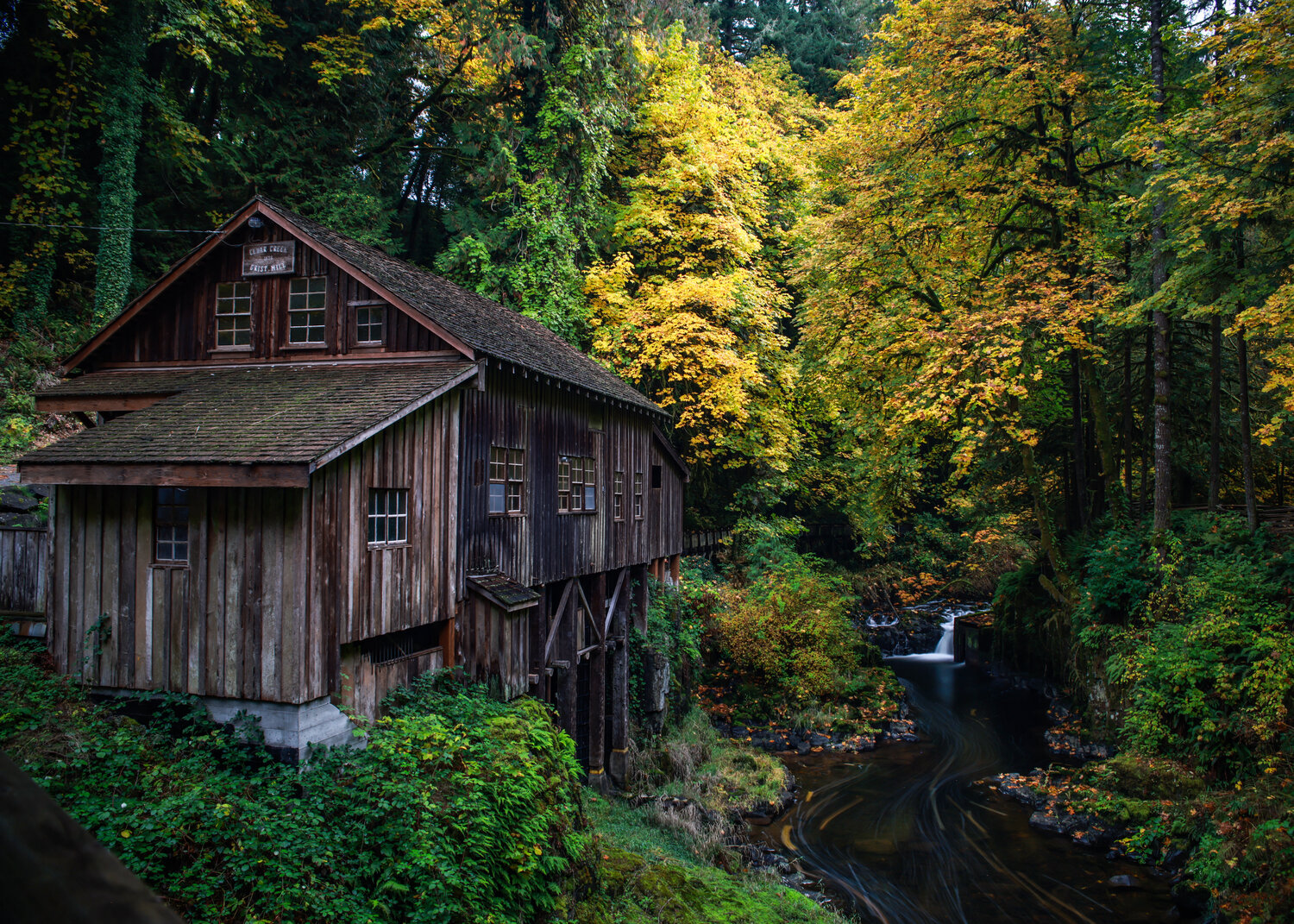
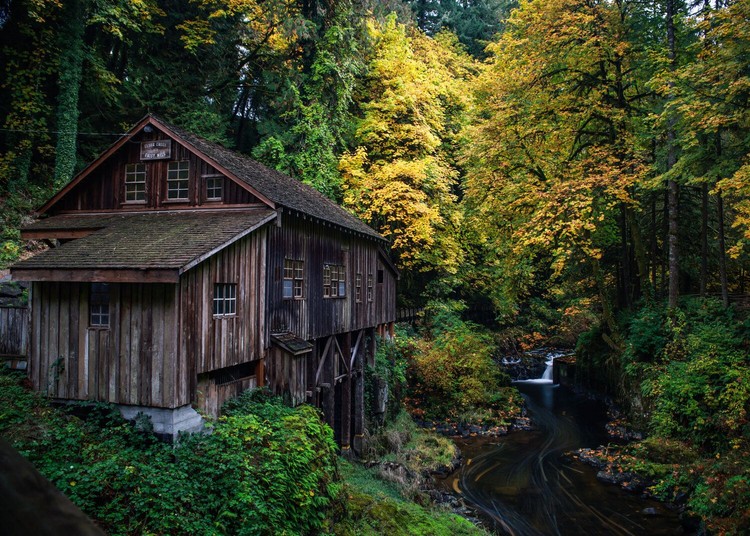
Built in 1876 — the nation's centennial year — the Cedar Creek Grist Mill has stood beside Cedar Creek east of Woodland for 150 years. While countless historic structures have been lost to time, the Woodland-area mill remains one of the few places where visitors can see, hear and experience history exactly as generations before them did.
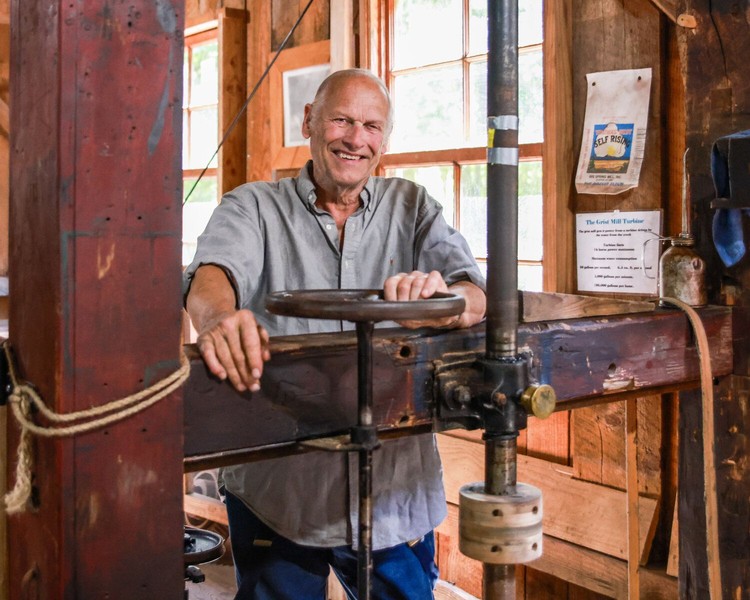
Longtime volunteer John Clapp said that authenticity is what continues to draw schoolchildren, families and visitors from around the world. For Clapp, the mill goes beyond preserving an old building.
"It's history. They're right there in the middle of real history," he said. "It's not fake history. It's not in a book. It's real history. And they can participate in it."
That hands-on experience when the grist mill is open has become one of the mill's defining characteristics. Clapp said visitors arrive from around the globe consistently
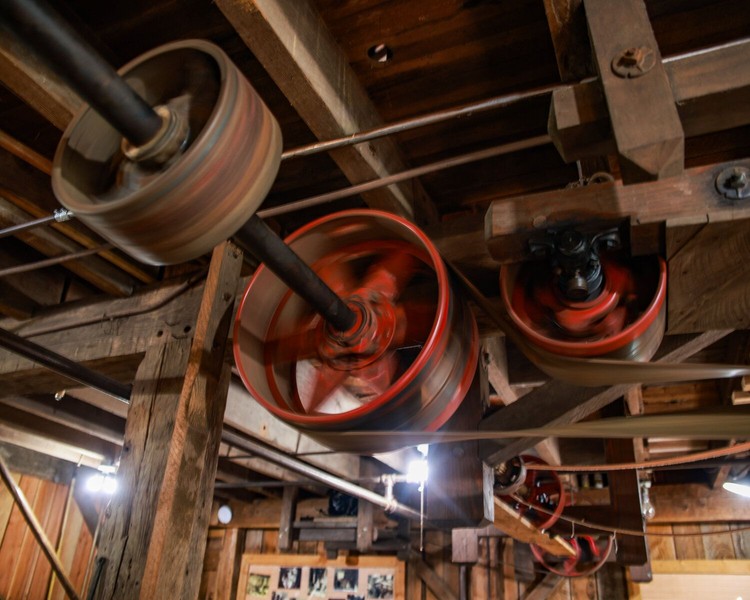
"I'll be in here with people from the Ukraine, from Pacific cultures, from New Zealand," Clapp said.
He recalled one memorable visitor.
"There was an old man in a wheelchair from Romania. And they wheeled him in here, and he was over by that mill. And he went, 'have one of these in Romania,'" Clapp recalled.
The mill's story is also one of survival, and one that Clapp played a big role in.
In the late 20th century, volunteers spent years rebuilding and restoring the deteriorating structure. Clapp remembers weekends spent building the flume and hauling materials after working full-time jobs during the week.
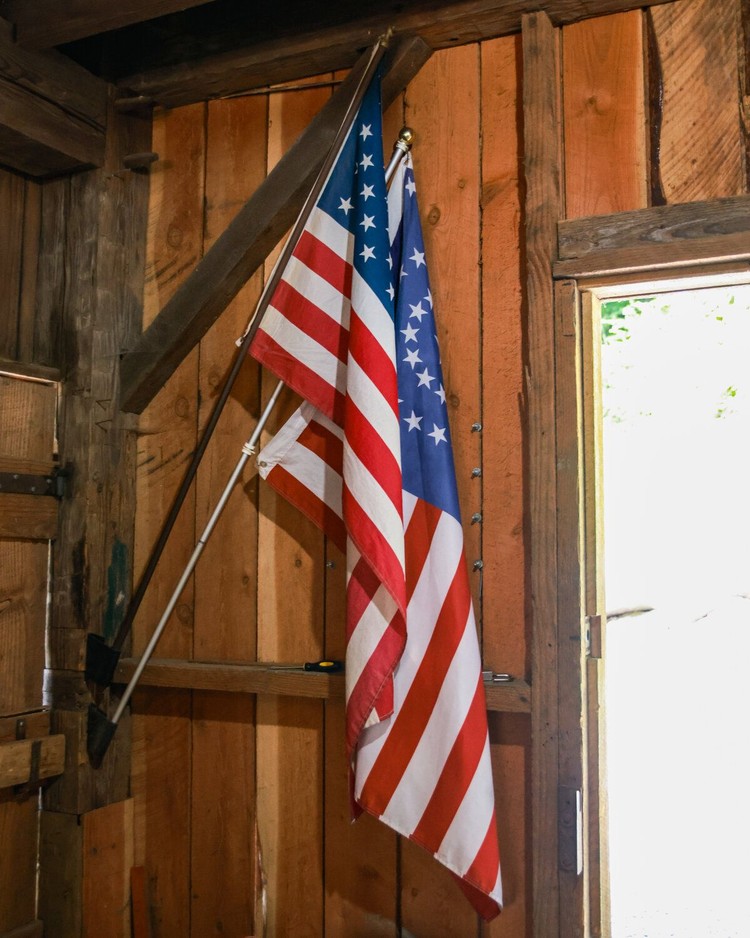
"And all of us worked, had regular jobs, and we'd come here on the weekends, and this was our weekend down here putting this together," he said. "And I have to honor those people, keep it going."
That commitment continues today as volunteers work toward replacing the mill's aging cedar roof.
For Clapp, the restoration has always been about something larger than the volunteers themselves.
"It belongs to everybody," he said. "For me, I go, ‘this is our gift to everybody.’"
That philosophy shaped the organization's future. After helping rewrite the nonprofit's bylaws years ago, Clapp insisted the mill never become the possession of a handful of individuals.
"If we do not rewrite the bylaws so that there is a change in leadership, a constant change in leadership, this organization will, like so many, fall apart," he said. "Because people will start thinking that it's theirs. And it's not theirs. It belongs to everybody."
Visitors frequently remind volunteers why the decades of work mattered.
"The biggest takeaway that I get that just makes me smile is they always say, 'we're so glad you people saved this,'" Clapp said.
He quickly redirects that praise.
"I tell people, I say, this is not government money. This is just people saying, ‘we need to save this.’"
As America celebrates 250 years, Clapp believes the mill tells a story extending well beyond its purposes.
"They used to come down here with wagons drawn by mules and horses," he said. "They would come down that hill, and they would drop their grain off in bags here, and they would go home with flour or cornmeal. And that was a staple to survive back in here."
Standing inside the mill, he often reminds visitors just how closely its story parallels the nation's own.
"When the kids come in here to timeline it, and I go, 'what else happened in 1876, kids?'" he said, adding one answer is the Battle of the Little Big Horn where General George Custer lost to an allied encampment of Lakota, Northern Cheyenne and Arapaho tribes.
For Clapp, preserving the Cedar Creek Grist Mill is ultimately about preserving the values of the community that saved it.
This report was first published by The Reflector Newspaper.
Comments
Loading comments…