


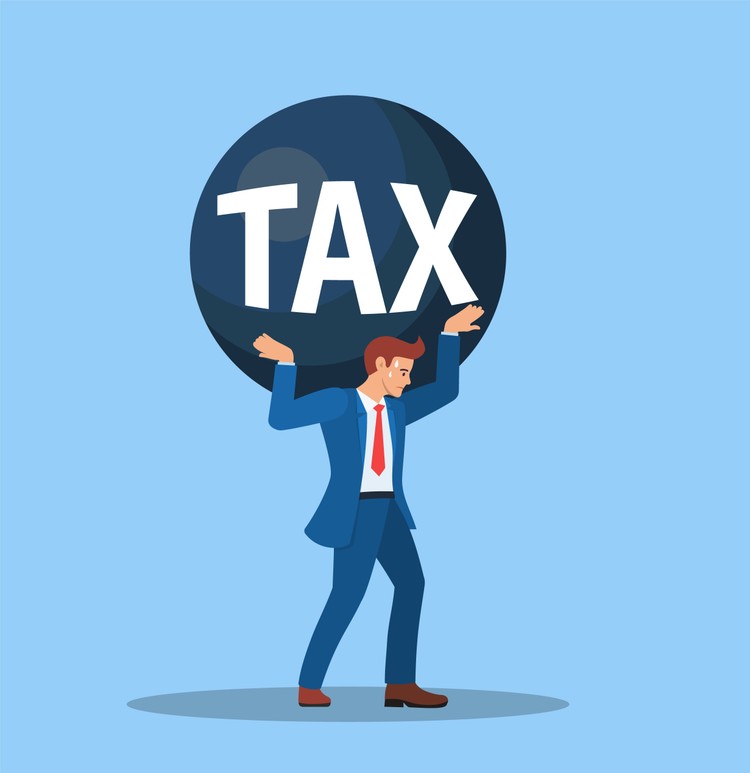
🎧 WA Paid Leave: Who Really Benefits and Who Pays?
Elizabeth New (Hovde) says Washington state’s paid-leave program is sold as a compassionate safety net. It’s not. It is a hardship for many of the workers who fund it.
Elizabeth New (Hovde)
Washington Policy Center
Paid Family and Medical Leave is a Washington state program that continues to require lower-wage workers to subsidize higher-income families to take time off work at their expense. It is time to let it go. Workers should be allowed to keep more of their wages for their own needs — not just the two that PFML prioritizes.
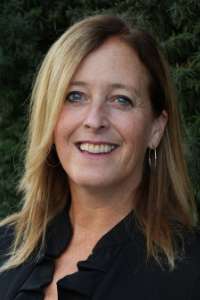
Elizabeth New
Instead of giving up the program that only benefits some workers while taking wages from others, regardless of anyone’s income, some state legislators have been eyeing an even higher tax rate that exceeds the program’s rate cap of 1.2%. Some have suggested raising it to 2%.
In 2019, the rate started at just 0.4%. Today, the payroll tax is 1.13% of wages, nearly reaching the rate cap. Reports show that is expected to happen in 2027, so workers are likely to see their pay decreased again by the state in January.
Going up to 2% would mean that $2 of every $100 in earnings would go to something many workers will never qualify for or need, when their wages could be used to help put food on the table, fuel in cars, money toward college costs or checks into the bank accounts of parents they help. And a fiscal note filed last legislative session shows the Employment Security Department estimated the rate would have to rise to 2.08% by 2035 to meet program needs, which means even the 2% proposal won’t be enough.
Let’s hope lawmakers in the 2027 session can be convinced the program is unsustainable and unfair, or at least that benefit-side changes are needed instead of a higher tax on workers.
Sen. Curtis King, R-Yakima, introduced several good PFML cost-lowering bills this year. Senate Ways and Means ranking member Sen. Chris Gildon, R-Puyallup, also rightly proposed ending PFML double-dipping that can pay public employees more while on leave than while working. Unfortunately, these bills did not receive hearings or consideration.
My research shows PFML funds frequently go to repeat users — people receiving payouts more than once. That should be one of the first areas lawmakers seek to change to keep this program solvent if they insist on keeping it.
Not a safety net
In fiscal year 2026, workers making $61 or more an hour continued using the program more than twice as often as those in the lowest wage group — at 19% and 8%, respectively. And never mind that many of these higher-income workers are in dual-income households.
Low participation among lower-wage quintiles is no surprise. One reason is because PFML pays a worker a portion of his or her wages, not a full replacement wage. If you are barely making ends meet, it is not possible to make them meet with even lower wages. Those income categories also include teens, disabled workers and others working limited hours. They pay in even though they don’t qualify for benefits.
Usage among the bottom-wage quintile of workers has dropped from 12% of all claims in FY 2023 to just 8% in FY 2026. Meanwhile, participation among top earners in the state keeps climbing. Usage among workers earning above $61 an hour now stands at 19% of all claims. (Middle quintile wage earners make up the biggest bulk of users.)
Washington state’s paid-leave program is sold as a compassionate safety net. It’s not. It is a hardship for many of the workers who fund it.
Elizabeth New (Hovde) is the director of the Centers for Health Care and Worker Rights at the Washington Policy Center. She is a Clark County resident.

Also read:
- Opinion: Workers need their wages more than the state’s paid-leave program does
 Washington’s paid-leave payroll tax stands at 1.13% and is projected to hit its 1.2% cap by 2027, with some lawmakers eyeing a 2% rate.
 - Opinion: ‘It may be time for McCleary 2.0’
 Dick Rylander examines the Battle Ground School District’s proposed $116,830,000 three-year EP&O levy heading to the November 2026 ballot.
 - Washington Policy Center tax expert warns that new income tax will affect everyone
 Ryan Frost argues Washington’s new 9.9% income tax has a $1M deduction that a simple legislative majority could remove.
 - Opinion: Were Republican voters just sleeping during the August primary election?
 CCRP Chairman Matt Bumala says 60% of primary no-shows in the 17th and 18th districts were Republicans.
 - Opinion: WA Cares’ launch showcased care WA Cares did not provide
 Gov. Ferguson showcased a caregiving arrangement at the WA Cares launch that the program had not paid for a single day of.