

A missing child from Arizona was recently found in an Olympia homeless encampment after investigators suspected she was being sex trafficked. That fact alone should disturb every one of us.
But beyond the immediate horror lies a harder question: how did we get here?
This tragedy should force us to confront an uncomfortable reality: when disorder becomes normalized, exploitation often follows. Environments marked by instability, weak oversight, and concentrated vulnerability create ideal conditions for predators. That is why conversations about homelessness cannot be limited to housing alone. We also need to talk honestly about addiction, severe mental illness, trauma, impaired decision making, and the systems that too often leave vulnerable people exposed.
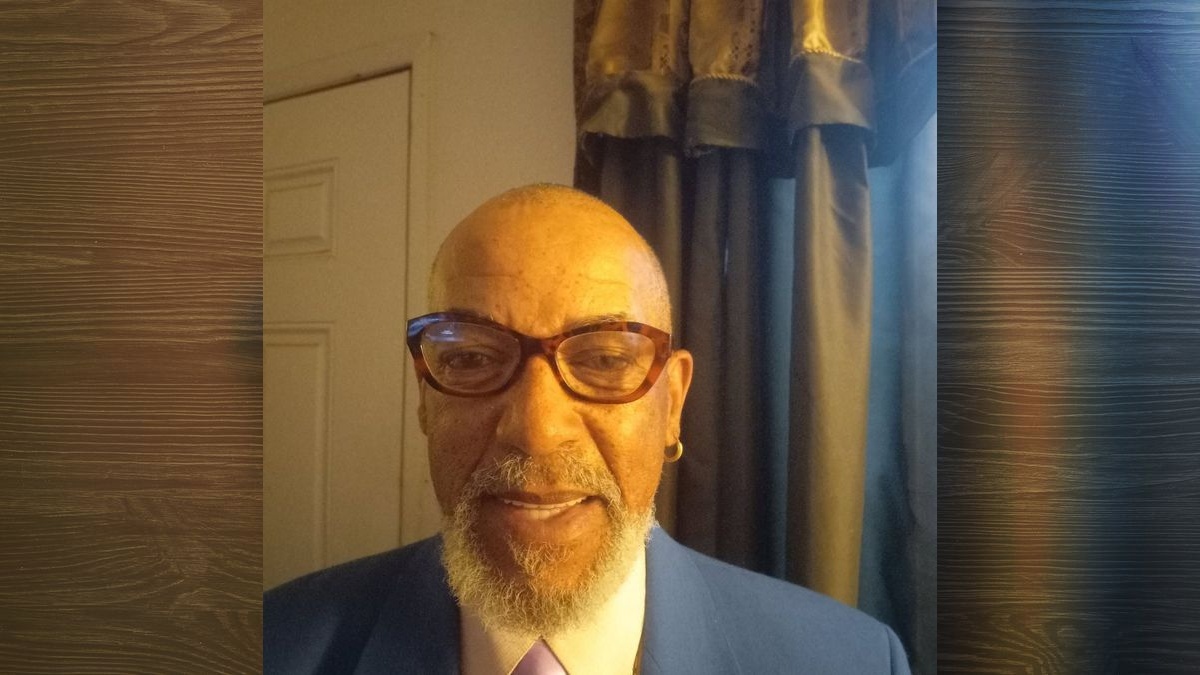
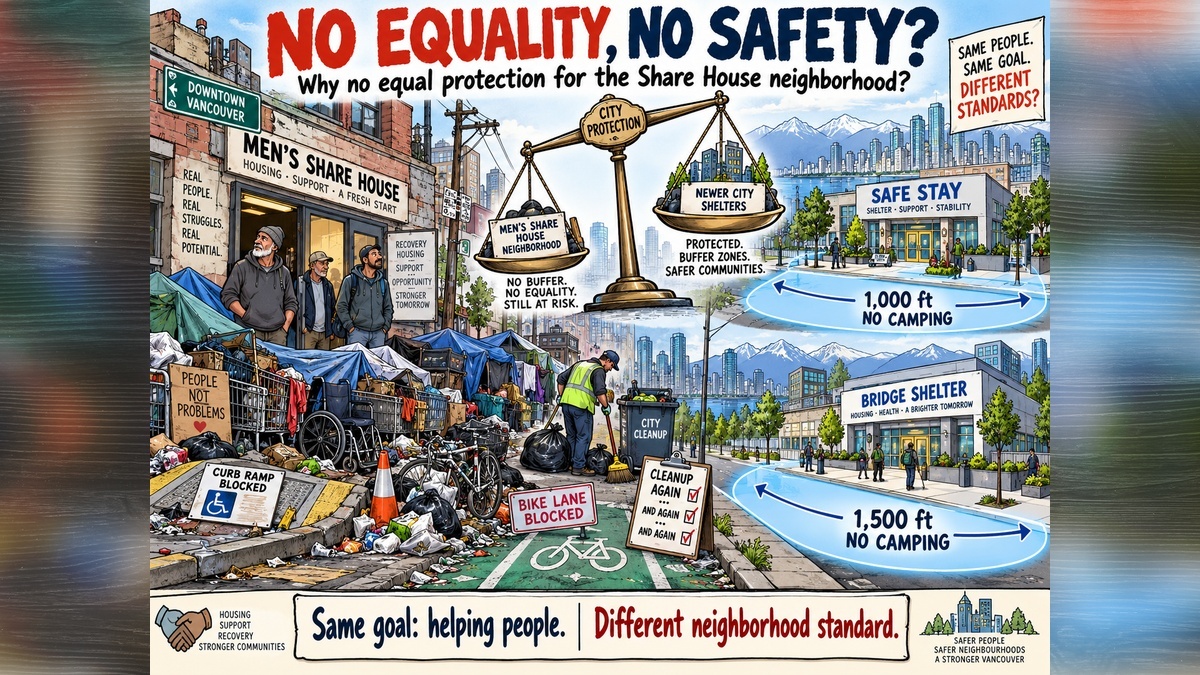
I work in outreach, and I have walked these spaces myself. At the blocks in downtown Vancouver and in other encampments, I have seen realities many people prefer not to discuss, including drug trafficking, coercion, violence, exploitation, and transactional sex. These realities are uncomfortable, but ignoring them does not make them disappear.
Too often, we soften what is happening with language that sounds compassionate. We tell ourselves that people are simply trying to survive. In many cases, that is true. But survival alone cannot become the standard we accept. Survival should not mean exposure to exploitation, violence, and predation, and compassion should not require us to tolerate conditions that would be unacceptable for our own families.
The people most at risk in these environments are often the least equipped to protect themselves. As a psychiatric provider, this concerns me deeply. Many struggle with severe addiction, psychosis, brain injury, or trauma, impairing judgment and the ability to recognize danger.
That raises a difficult but necessary question: does a person truly have meaningful freedom when severe illness or addiction has profoundly impaired their capacity to choose?
Autonomy without capacity is not freedom. In some cases, it becomes abandonment disguised as respect.
This is one of the central problems in how we discuss homelessness. We often frame encampments as communities of people making independent personal choices. But for many chronically unsheltered individuals, the reality is far more complicated.
Predators understand this, even if policymakers often avoid saying it aloud. Drug dealers, traffickers, and exploitative partners know that people who are desperate, intoxicated, psychotic, isolated, or dependent are easier to manipulate and control. Public disorder is not merely a quality of life issue or an aesthetic concern. It is increasingly a public safety issue, a public health issue, and a human exploitation issue.
This reality also helps explain why outcomes remain so poor despite massive public spending. Over the last decade, Washington has invested billions of dollars in housing, homelessness services, behavioral health care, and addiction response. Yet many of our most vulnerable residents remain trapped in cycles of instability, exploitation, and recurring crisis.
The problem is not just funding, but how resources are allocated, what outcomes are measured, and whether the system is designed to move people toward recovery.
Too much spending goes toward crisis management rather than long term stabilization. We fund emergency room visits, psychiatric boarding, temporary shelter, crisis response, jail diversion, and repeated case management for people cycling through the same systems. These services are often necessary, but they are expensive and largely reactive.
Meanwhile, we continue to face major shortages in the areas most essential for durable recovery, including psychiatric beds, detox capacity, recovery housing, and a trained behavioral health workforce. Fragmented systems remain, and no single system truly owns the outcome.
Perhaps the deeper problem is philosophical. Somewhere along the way, compassion increasingly became synonymous with noninterference. We became hesitant to confront, require, intervene, or disrupt, even when doing so might prevent greater harm.
There is an important difference between reducing suffering and enabling dysfunction.
Harm reduction can save lives. Preventing overdose, reducing infectious disease, and building trust are important tools. But harm reduction was never meant to become harm acceptance.
We also need to reckon with the long term consequences of deinstitutionalization. Large psychiatric institutions were closed for understandable reasons, including concerns about quality and civil liberties. But while those systems were dismantled, we failed to build sufficient community based treatment to replace them.
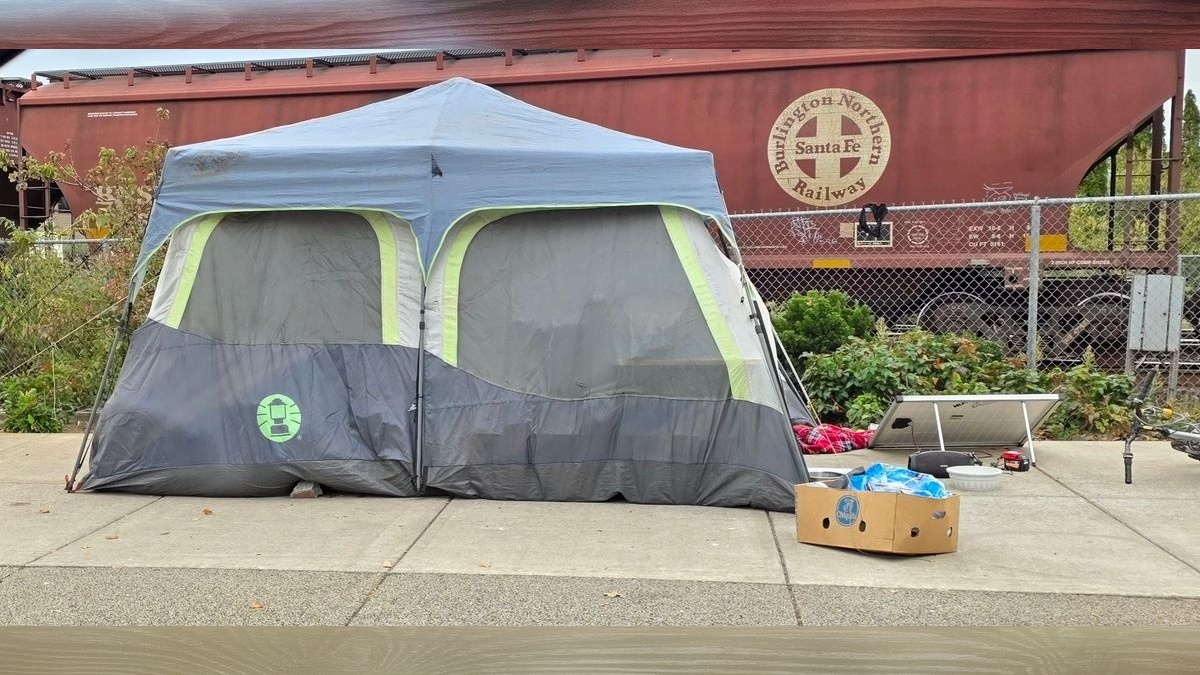
For too many people with severe mental illness and addiction, the streets have become the asylum, and encampments have become the waiting room.
People deserve more than a tent, a meal, and temporary relief. They deserve safety, treatment, recovery, and a real path toward stability.
Trying something different means expanding real treatment capacity, including detox, psychiatric stabilization, recovery housing, and appropriate intervention pathways, including involuntary treatment when clinically necessary and legally justified. It also means intervening earlier when people are clearly unable to care for themselves because of severe addiction, psychosis, cognitive impairment, or exploitation. Just as importantly, it means restoring accountability for those who profit from human suffering, including traffickers, drug dealers, and predators.
None of this means abandoning compassion. We should continue meeting immediate needs because food, clothing, and medical care matter. But we must stop confusing temporary survival with meaningful recovery.
In healthcare, we do not judge success by effort alone; we judge success by outcomes, and government should be no different. Good intentions alone do not treat addiction, resolve psychosis, or protect vulnerable people from exploitation.
When policy fails, the consequences are not abstract budget numbers or talking points. The cost is paid by the most vulnerable among us: women trapped in exploitation, people suffering in psychosis, and families watching loved ones disappear into addiction.
Sometimes, that cost is paid by children.
A missing child found in an encampment should force us to ask whether the systems we have built are truly protecting the people who need protection most.
Clark County deserves a more honest conversation about what is working, what is failing, and what must change. Real compassion does not look away from suffering, and it does not normalize dangerous disorder. It protects the vulnerable while demanding both care and accountability.

Comments
Loading comments…