
My cousin lived on the streets. Addiction was the lure that landed her there.I didn't know her well, but I remember her coming to my house to play as a young girl. She was beautiful, lively, with a bright smile, a sparkle in her eye and a seemingly wonderful future. She and her sisters would run around and play in the grass and in the trees, carefree young kids caught up in a world of endless summer.
 David Boze
The stress of an alcoholic and abusive father saw to it that when I saw her next as a young teen her bright smile was overshadowed by a jaded, aloof expression that so often masks pain. She sat sullen and stone-faced, looking like someone who resented not being an adult and hating the idea at the same time.
Ultimately, she'd follow her father's path to addiction and end up on the streets where family would hear from her sporadically if at all.
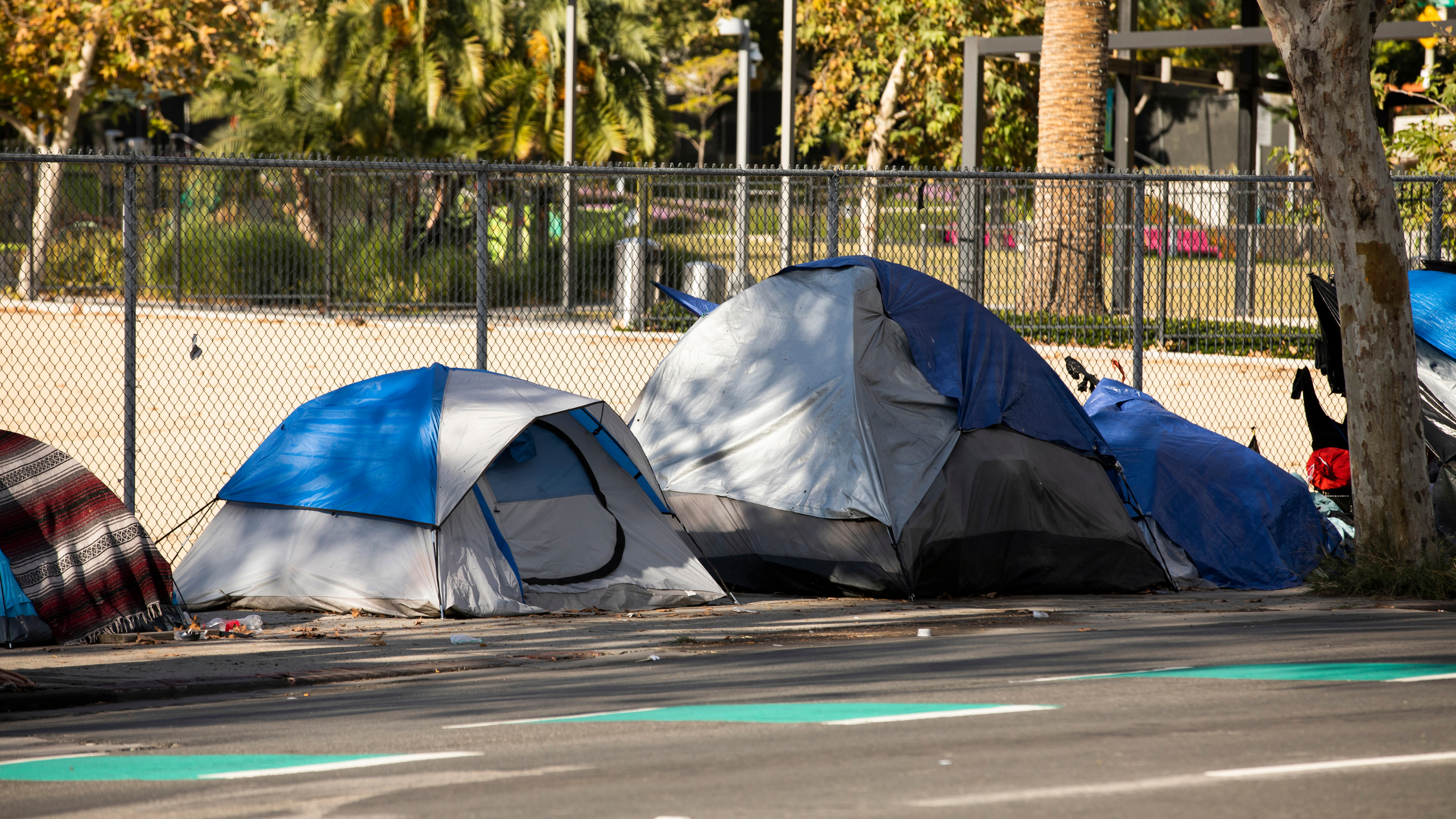
Hospitalizations or jail meant sobriety. Sobriety meant a desire to get clean and start over. But the pull of drugs was too strong and the delay for treatment too long for resisting. She ended up dying in her mid thirties, alone in a cold tent.
I think of her often and what she experienced and whether she could have been saved. I tend to think tolerate policies ensured her fate, but I suppose we'll never no for sure.
She was on my mind when I first looked at the homelessness study produced by the Mayor of Normandy Park, Eric Zimmerman. His study answered questions I didn't even know I had about our state's homelessness problem, why it's so entrenched and how much of an outlier we are in some key areas of dysfunction. (*I'm using "homelessness" here as shorthand. It's decidedly not a problem of a lack of a home (though that's a symptom), but overwhelmingly a problem of addiction and mental health (often exacerbated by addiction).
Consider in 2024 Washington had:
- the 1st highest ratio of chronic homelessness.
- the 1st highest growth of per-capita overdose deaths
- the 3rd highest unhoused population
- the 4th highest rate of adult mental illness.
- the 1st highest per-capita rate of fentanyl and opioid overdoses seen in emergency rooms
And this was just for starters.
There is too much data for me to relay here and I won't do it as much justice as it deserves anyway, so I would encourage you to read the executive summary of the report or the full report for yourself. It will astonish you, enrage you, and give you hope that with some decent policy changes, we can change lives and recapture our public spaces.
NOTE: WPC has been given permission to post the reports here, but they are NOT WPC reports, so if you would like to re-print them in any way, please seek permission from Mr. Zimmerman directly. You can email him at [email protected]. If you have questions about the reports, you can also email him at that address.
I'd like to thank the mayor for sharing his insights with WPC. I sincerely hope we can get this information to enough policy makers to make a difference for Washington, for the individuals on the streets and for the families they've left behind.
David Boze is the communications and strategy director at the Washington Policy Center.

Comments
Loading comments…