
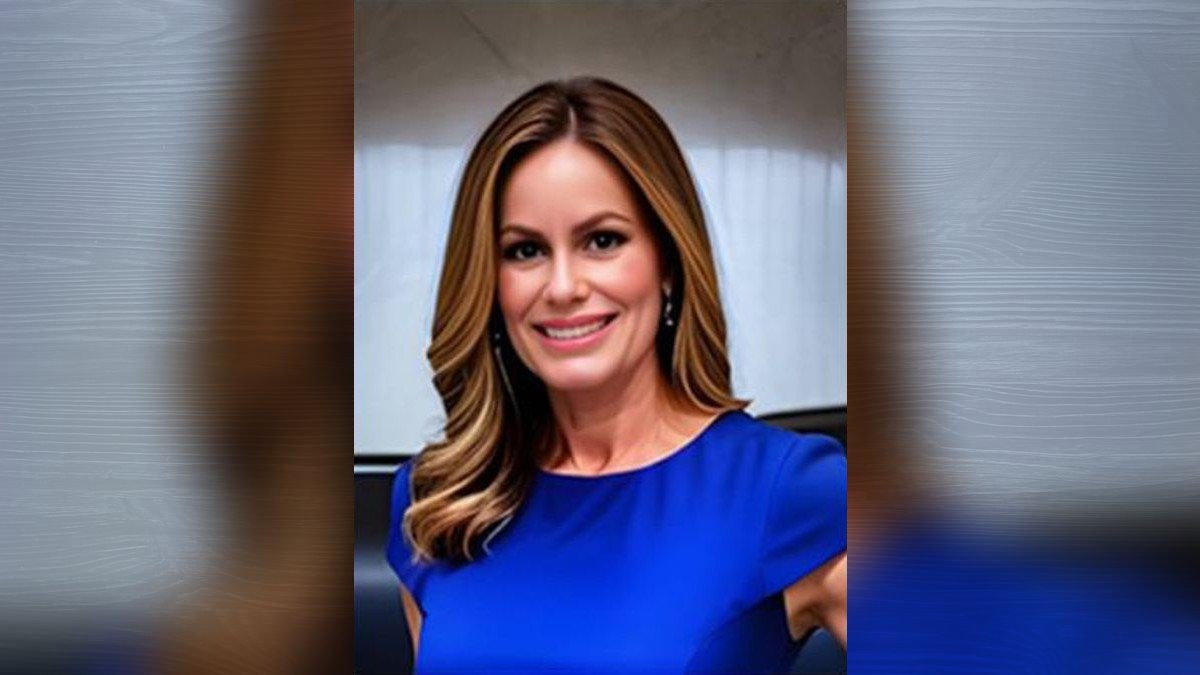
You may have already seen the enclosed article about my campaign. I'm grateful to the Jewish News Syndicate for telling part of my story, but like any article, it couldn't capture everything.
There are parts of this journey that have been difficult to talk about publicly because, quite honestly, I'm still processing them myself.
I'm not a politician.
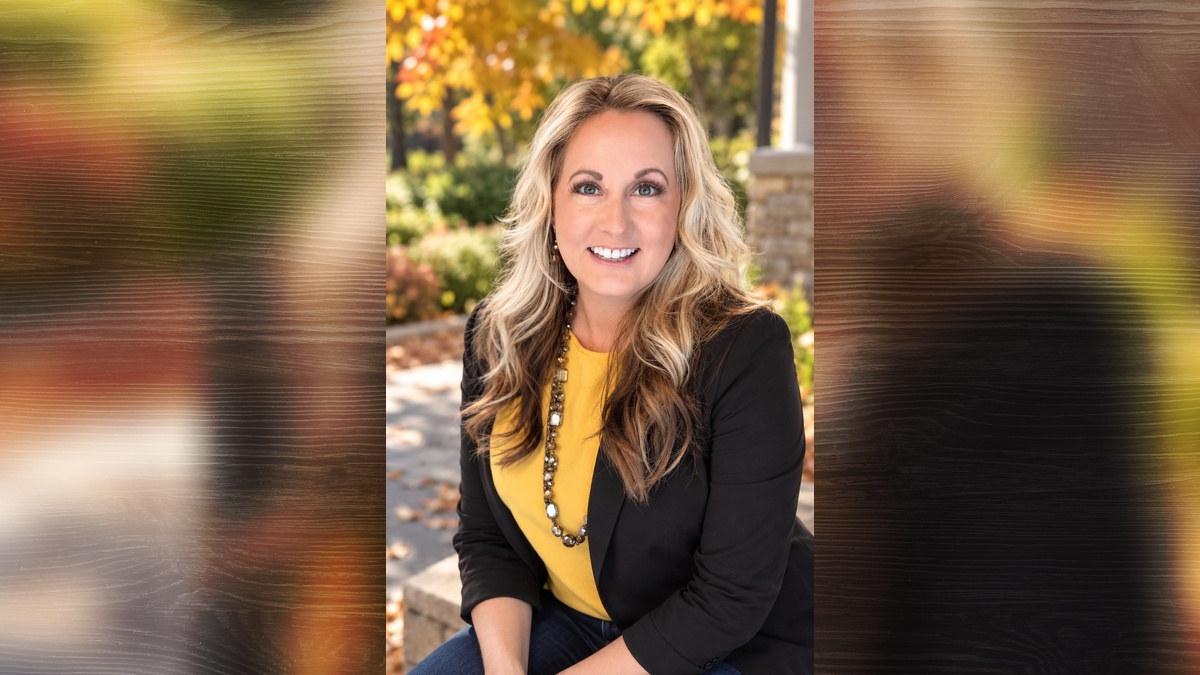
I'm a nurse.
For more than 20 years, I've worked in emergency departments, psychiatric crisis centers, and now in behavioral health outreach. Every day I work with people experiencing homelessness, addiction, psychosis, and severe mental illness. My job has never been to defend an ideology. My job has been to care for people and solve problems.
Over time, I found myself asking difficult questions.
Were the policies we were investing billions of dollars in actually helping people recover?
Were we measuring success by outcomes or by intentions?
Were we willing to change course when something wasn't working?
As someone who worked directly with the people these policies were intended to help, I often felt there was more interest in defending existing approaches than honestly evaluating whether they were producing better lives.
That weighed on me.
Then came October 7.
Watching antisemitism become excused, minimized, or rationalized by people and institutions I had trusted was heartbreaking. As someone whose family practices Jewish traditions and whose children are being raised in that community, I found myself questioning where I belonged politically.
Looking back, I probably should have left the Democratic Party years earlier.
The truth is, I carried assumptions about Republicans that I had never challenged. I believed things about Republicans because they were the people I knew least. I accepted those assumptions without taking the time to meet people, ask questions, and decide for myself.
That was my mistake.
Changing my party wasn't the hardest part. The hardest part was admitting that some of the things I believed about people I had never really taken the time to know simply weren't true.
That kind of honesty begins with looking in the mirror. When I was finally ready, I wasn't looking for a new party. I was looking for answers.
I reached out to local Republican leaders because I was genuinely curious. I wanted to have conversations. I wanted to understand what they believed, how they approached problems, and whether there was room for someone like me.
No one recruited me. No one pressured me. I had choices. I could have remained a Democrat and run as a moderate. I could have run for a nonpartisan office. Or I could run as a Republican.
One Republican leader offered me very practical advice.
"Choose the path of least resistance."
I didn't. I chose what was clearly the more difficult path because I knew I could no longer honestly remain where I was.
It would have been easier politically to stay where I was known.
Instead, I chose the path that aligned with my conscience.
I also want to correct something that people sometimes assume.
No leader in the Democratic Party ever told me not to run. In fact, my interaction with Democratic leadership regarding my candidacy was respectful and encouraging.
The only person who told me I shouldn't run, and that I didn't deserve the opportunity, was one of my opponents.
That conversation didn't discourage me. If anything, it strengthened my resolve that ordinary citizens should never be told they don't belong in public service.
What ultimately convinced me wasn't that I found a perfect political party.
I found people who welcomed my questions.
I found people who encouraged me to think for myself.
I found leaders who were willing to hear what I had witnessed as a nurse, even when my perspective was different from theirs.
I found people who cared deeply about public safety, fiscal responsibility, individual liberty, strong families, and the belief that government should be accountable to the people it serves.
Most of all, I found a political community where my values, my work, and my convictions finally felt aligned.
That doesn't mean we'll agree on every issue. Healthy political parties shouldn't require that.
But I wanted to belong to a community where honest conversations were welcomed, where disagreement wasn't something to fear, and where I could contribute as myself.
Some of you may still wonder whether someone who spent much of her life as a Democrat can truly represent Republicans.
That is a fair question.
All I can ask is that you judge me by my character.
Judge me by the patients I've cared for.
Judge me by whether I tell you the truth, even when it is uncomfortable.
Judge me by whether I keep my word.
Judge me by whether I am willing to admit when I was wrong.
And judge me by the fact that I chose conviction over convenience.
I didn't become a Republican because it was the easier choice.
I became a Republican because it was the honest one.
Thank you for welcoming me into your party. Thank you for giving me the opportunity to earn your trust, your support, and, I hope, your vote.
Comments
Loading comments…