
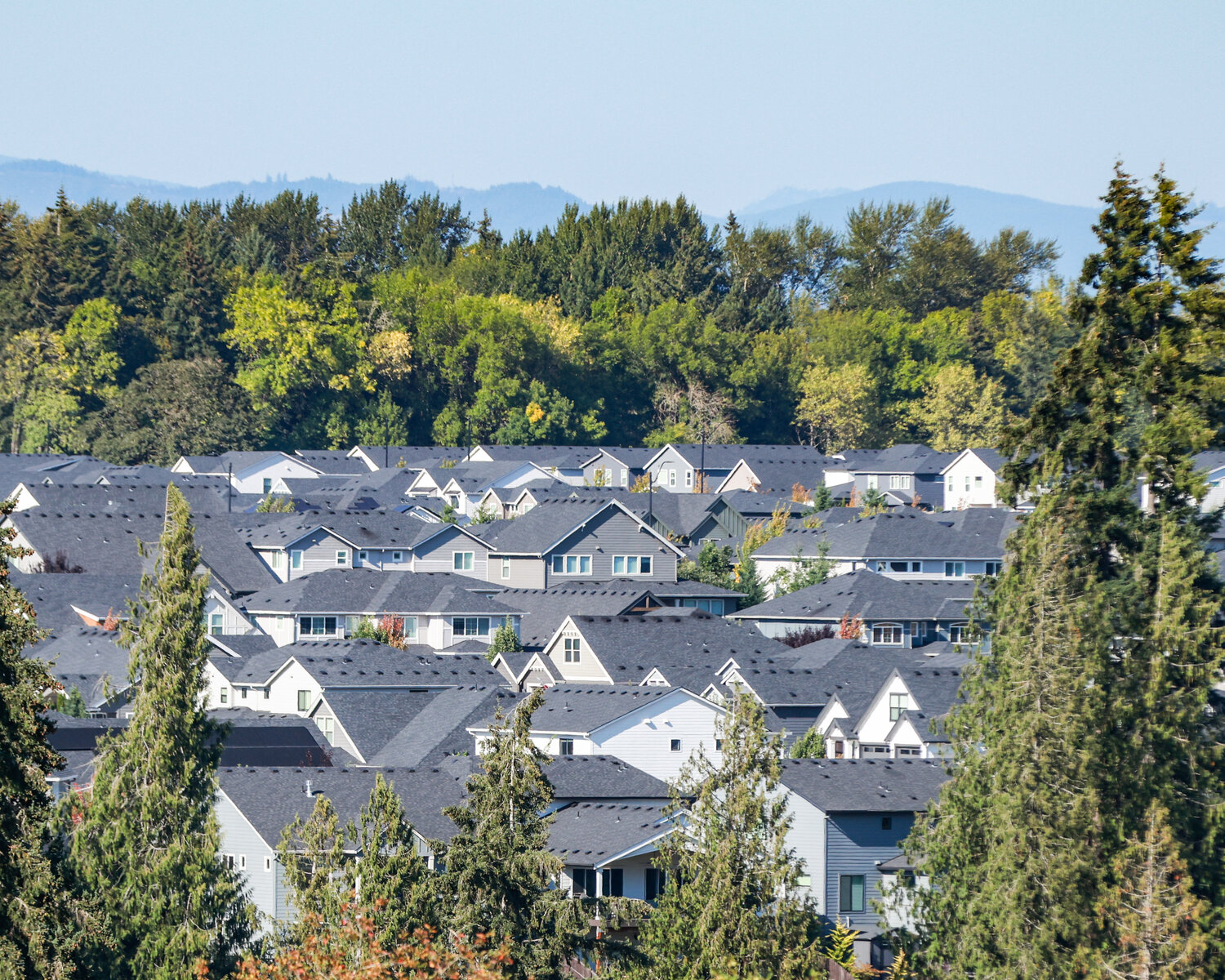
Ridgefield is preparing for another two decades of growth, but Mayor Matt Cole said the city’s updated comprehensive plan is intended to ensure that growth does not come at the expense of the qualities that have drawn residents to the community.
Known as Envision Ridgefield 2045, the city’s 20-year comprehensive plan update has been in development for about two years. Cole said the city is now nearing the end of the process, with several components remaining before the final environmental impact statement (EIS) is completed.
“We have a few more components to go through before we get to our final EIS as well, but we figure it'll be done by the end of the year is what we're targeting,” Cole said.
The plan comes as Ridgefield faces population growth that would have been difficult to envision when the city adopted its previous comprehensive plan in 2016. Cole said the city has grown to more than 17,000 residents, up about 10,000 people over the past decade.
State and county projections call for another roughly 10,000 residents over the next decade, he said.
“So, that's the projections that come from the state and the county, and so we just say that, we look at that, and we say, ‘OK, we'll make it pencil (out),’” Cole said.
That anticipated growth touches nearly every aspect of the city’s planning, from roads and housing to parks, employment and commercial development.
Transportation remains one of the largest challenges.
Ridgefield’s primary routes are Pioneer Street and Hillhurst Road, and Cole said the city needs to continue improving ways for residents to enter and leave the community. One major proposal is a southern Interstate 5 connection extending from Hillhurst Street toward the interchange with state Route 502 near Battle Ground.
“That would be a huge one because, again, like to your point, one way in and out of town right now,” Cole said.
The city is also planning around the eventual need for improvements to the 179th Street interchange and continues to pursue funding with state and federal partners for better access to and from the city via I-5.
Another transportation project Cole described as important is the proposed 11th Street overpass. He said the project remains on track, although funding is needed for design and preconstruction.
“That's something I've talked to the congresswoman's office about multiple times. She knows it's a need. She's advocating for it with us as well,” Cole said. “I'm optimistic that maybe in this next Congress, we'll have some movement there.”
The 11th Street overpass would provide a connectivity option south of Pioneer Street that crosses I-5.
Housing is another major component of the plan. Ridgefield is expected to accommodate about 5,800 new housing units over the next decade, with approximately 25% targeted for multifamily housing.
Cole said the city council has also encouraged developers to incorporate affordable units into multifamily projects.
The city has asked developers to designate 10% of multifamily units at 80% and 60% of area median income.
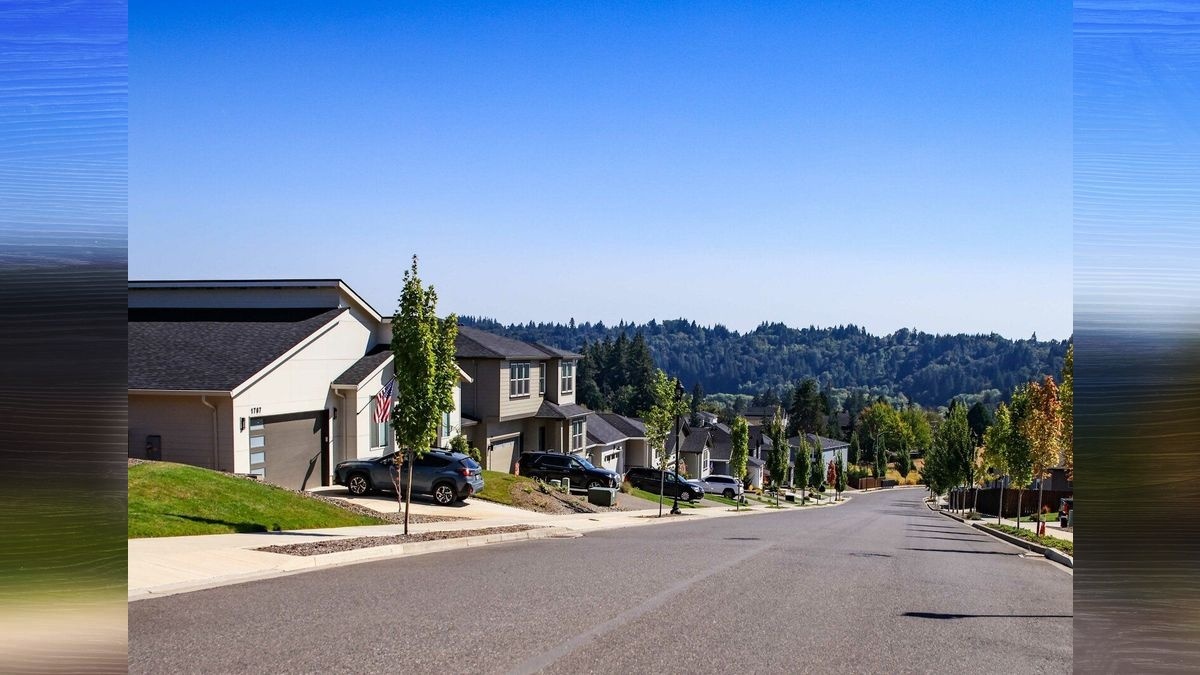
As the city grows, Cole said Ridgefield also wants to maintain a balance between residential development, commercial opportunities and public amenities.
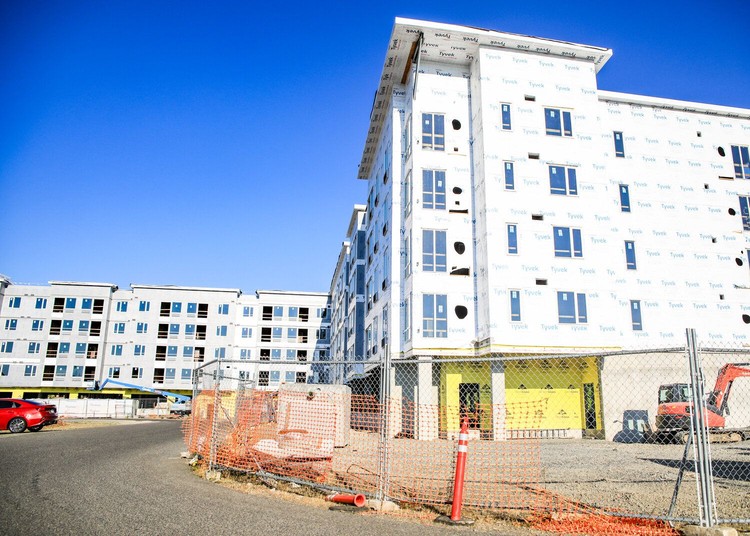
“We will continue to do so,” Cole said of the city’s approach to housing density. “And then, as you look at building out a complete community, the infrastructure, the commercial, all of that stuff is going to go along with it.”
Parks and open space are particularly important to Cole’s vision for the city’s future.
He described the east side of I-5 as Ridgefield’s “next frontier,” with residential development expected to bring additional parks and trails. City requirements allocate 25% of residential development toward parks and open space.
Cole said the city plans to seek additional community input this fall about what residents want those spaces to become.
“The reason why we have that role is because they love to have parks and open spaces. They love the green space. And so we'll continue to lean into that,” Cole said.
Cole added, personally, he would like to eventually see another athletic complex on the east side of the city, though he emphasized that idea remains speculative.
Economic development is also expected to play a significant role in the plan. Ridgefield is planning for approximately 8,100 new jobs, with industrial development, commercial centers and existing institutions contributing to that growth.
The city also continues to advocate for a permanent regional police academy in Ridgefield, which Cole said could help create jobs while serving a broader Southwest Washington need.
“We have been loud and proud about saying we have the space for it here in Ridgefield,” Cole said. “We think this is a great spot for it. It serves a regional need.”
Underlying the entire plan is the city’s effort to ensure infrastructure keeps pace with development. Cole pointed to the city’s transportation benefit district and ongoing pavement preservation and street projects as examples of that effort.
“Our council has said, continually, our infrastructure must match the pace of growth,” Cole said.
Cole said expansion areas identified in the broader planning process will also be important for accommodating future housing and employment while dispersing density.
The city’s goal, he said, is not simply to meet numerical growth targets, but to make sure the resulting community works for residents.
“We've heard from our residents of what we're looking for, like preserving our small town charm, making sure our growth and infrastructure keep pace with each other, and making sure that this is a town that's welcoming everybody,” Cole said.
For Cole, that distinction is at the heart of Envision Ridgefield 2045.
“There's the planning that can take place on a spreadsheet, and there's what's actually going to work that people want to actually build to and adhere to,” he said. “We want to make sure that whatever plan we come up with, that it actually works.”
This report was first published by The Reflector Newspaper. Cade Barker can be reached at [email protected].

Comments
Loading comments…