

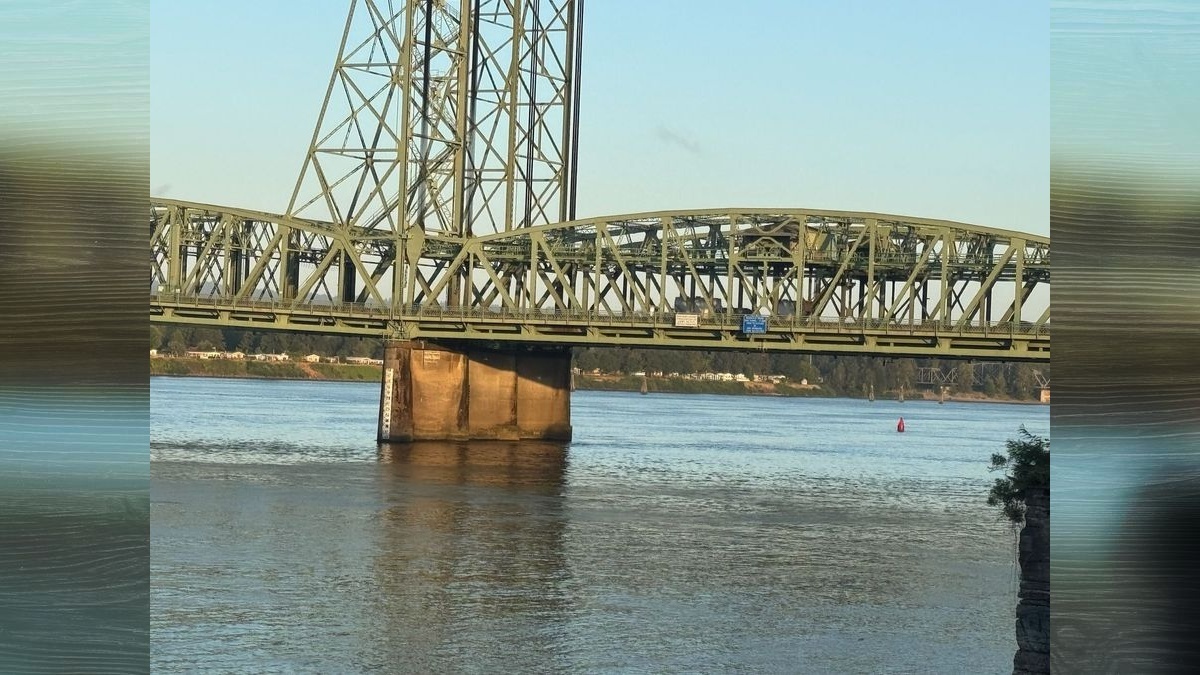
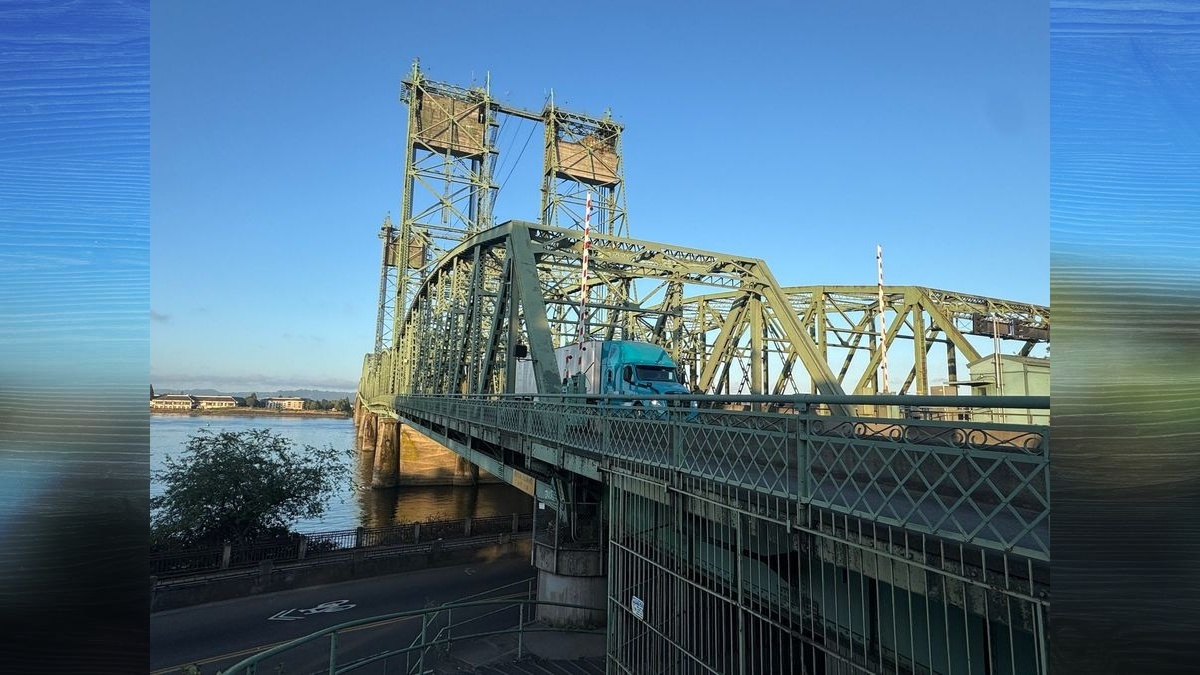
House Bill 2669 would require the Joint Legislative Audit and Review Committee (JLARC) to conduct an independent performance audit of the project replacing the Interstate 5 bridge over the Columbia River
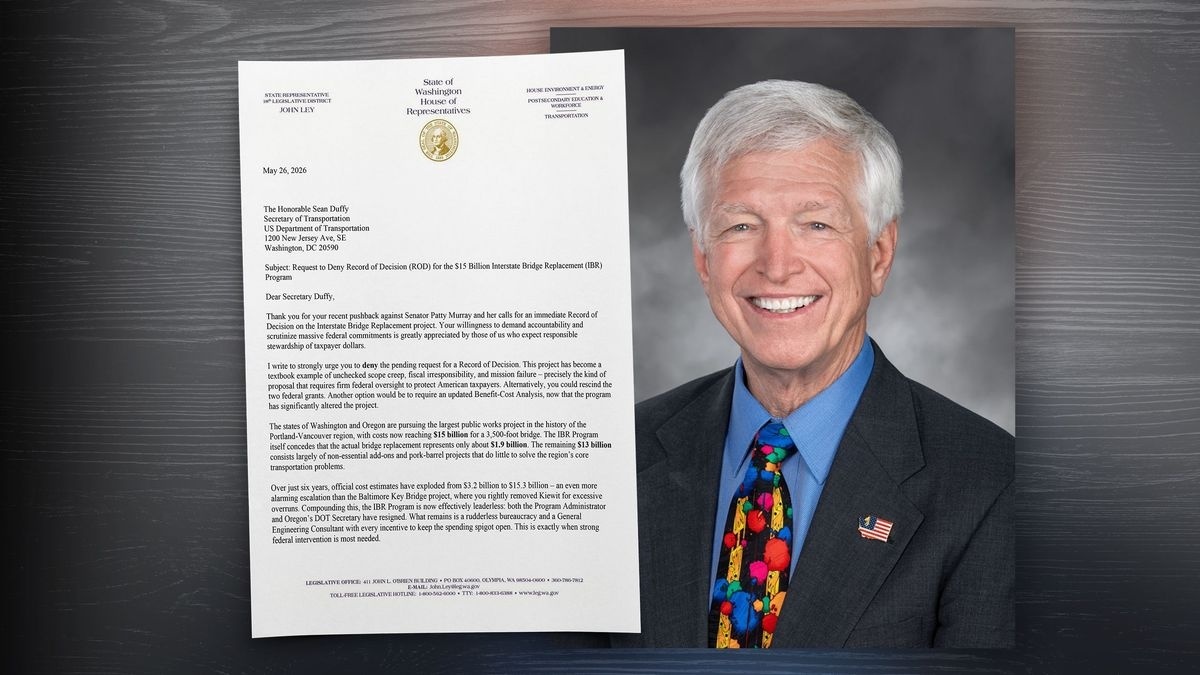
Rep. John Ley has introduced legislation to bring greater transparency, accountability, and fiscal responsibility to the Interstate 5 Bridge Replacement Project, one of the largest and most expensive transportation projects in the history of the Pacific Northwest.

House Bill 2669 would require the Joint Legislative Audit and Review Committee (JLARC) to conduct an independent performance audit of the project replacing the Interstate 5 bridge over the Columbia River. The audit would examine how the project has been planned, managed, and funded since it was restarted in 2019, with findings reported to the Legislature by December 1, 2027.
“With a project of this size and cost, taxpayers deserve clear answers about how their money is being spent and whether the decisions being made will actually deliver the congestion relief that’s been promised,” Ley said. “This bill is about accountability, transparency, and making sure we get the best return on investment.”
The audit would take a comprehensive look at four key areas. First, it would assess financial transparency by determining whether project reporting complies with state and federal requirements and whether cost disclosures align with best practices used in other major bridge projects nationwide.
Second, JLARC would review spending and accountability, including how funding has been allocated compared to what lawmakers approved. This includes a close examination of the general engineering consultant contract, significant cost increases, unexplained overruns, payments to non-Washington agencies, and how potential conflicts of interest are addressed.
Third, the audit would evaluate forecasting and decision-making, such as the reliability of traffic, toll revenue, and transit ridership projections. It would also assess whether the proposed design is likely to reduce congestion and save travelers time, whether alternative transportation options, such as bus rapid transit were adequately considered, and whether each project component provides value for the money.
Finally, the audit would review oversight and internal controls at the Washington State Department of Transportation, including whether prior audit recommendations related to the project were implemented.
Ley emphasized that the bill would not halt or redesign the project.
“This audit won’t stop construction or dictate outcomes,” Ley said. “It simply ensures lawmakers and the public have an independent, fact-based assessment of whether this massive project is being managed responsibly. Given the reality that the project cost projections have exploded from a low of $3.2 billion to potentially $17.7 billion, we must scrutinize both spending and the process that got us here. We don’t want a “Big Dig” (Boston) or a California High Speed Rail situation.”
The bill has been referred to the House Transportation Committee where it awaits a public hearing.
Information provided by the Washington State House Republicans,
houserepublicans.wa.gov
Comments
Loading comments…