
VANCOUVER – The Interstate Bridge Replacement Program on Monday (Aug. 17), issued a request for qualifications for the Columbia River Bridge Replacement, or CRBR project. This is the primary contract for the first construction phase of the program. The RFQ launches the process to identify a progressive design-builder to design and construct a safer, more efficient and earthquake-resilient bridge over the Columbia River. The new bridge will serve Oregon and Washington for generations.
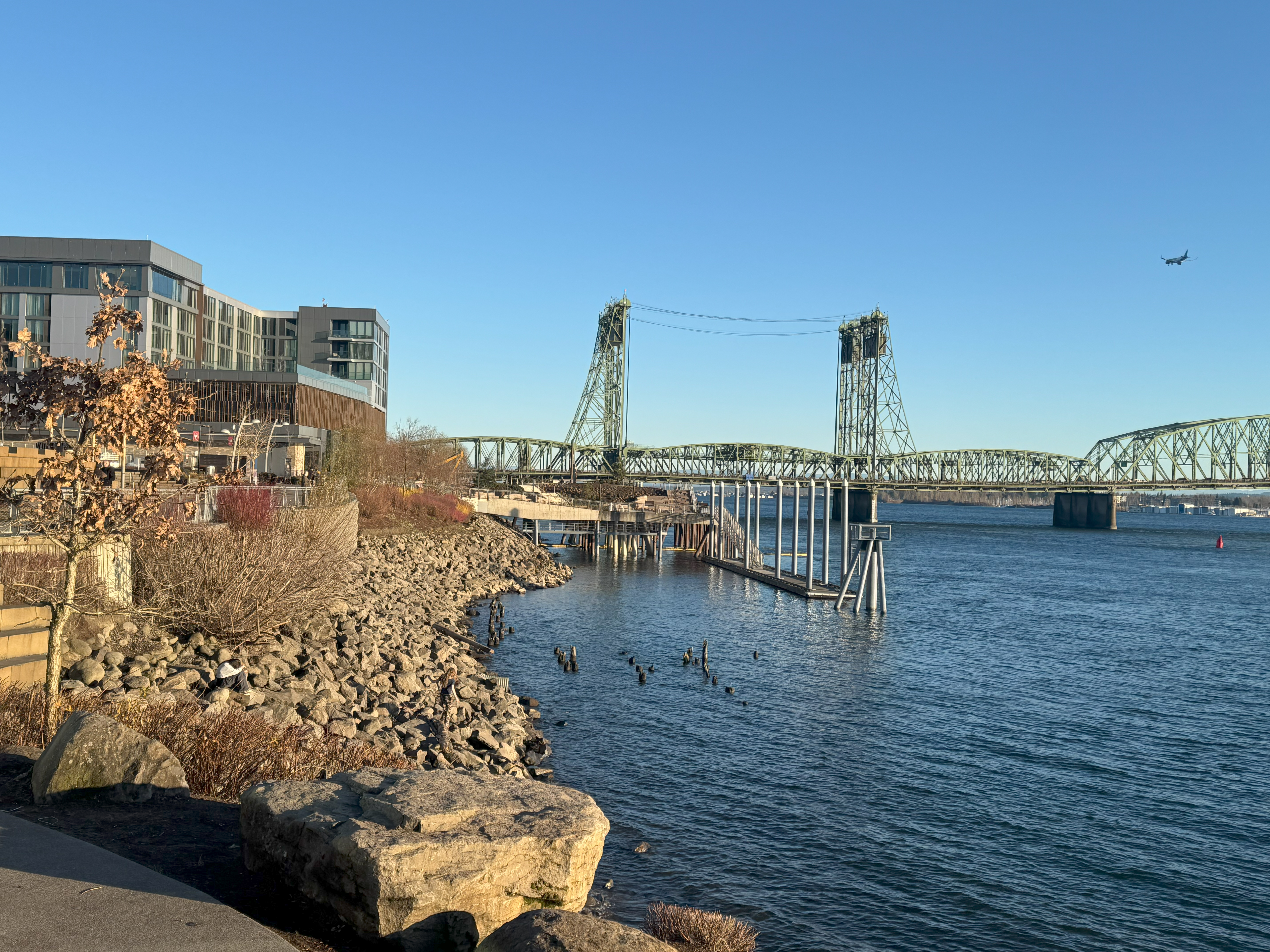
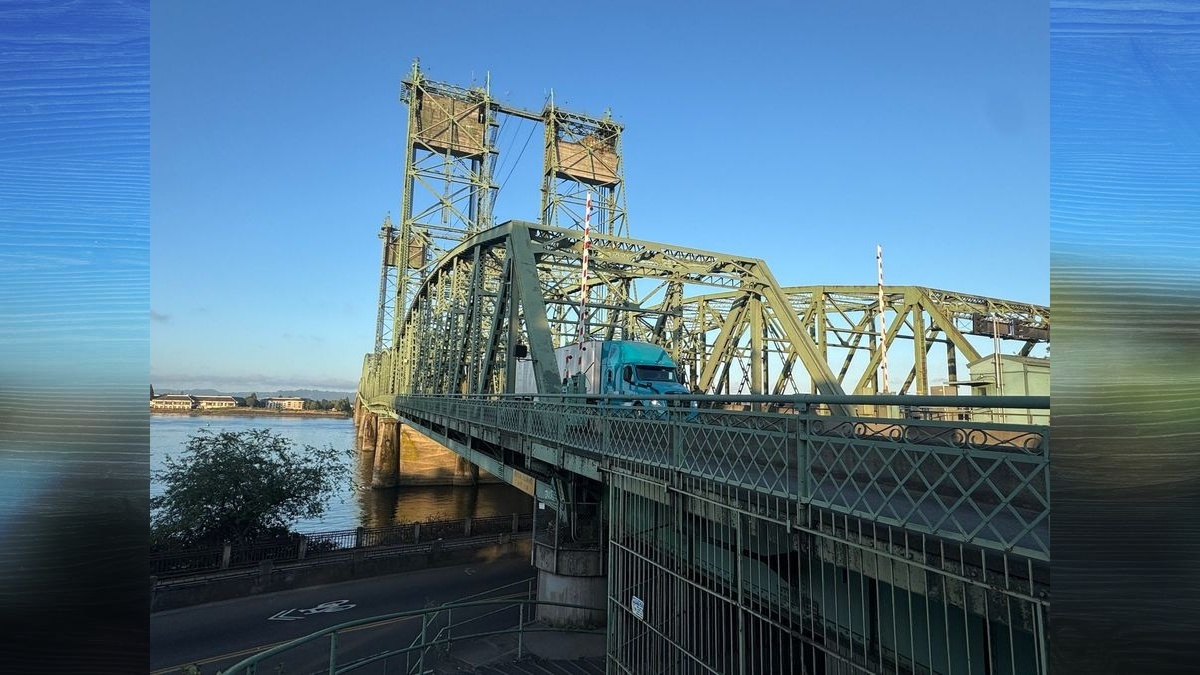
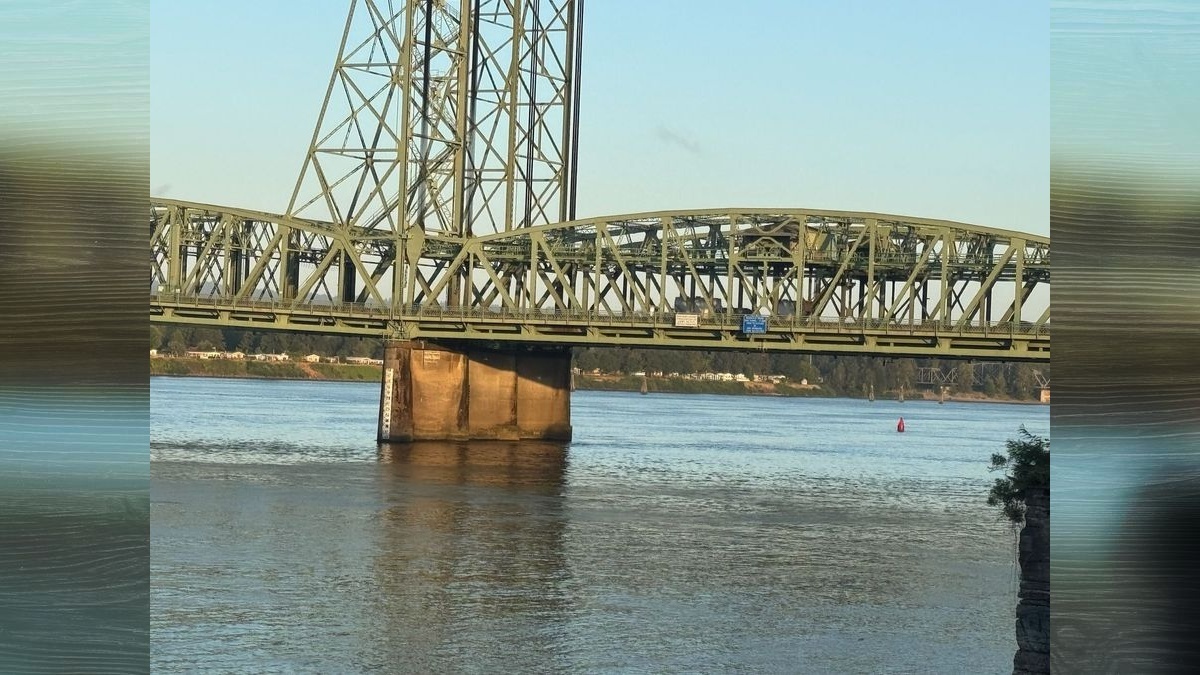
The CRBR project includes the replacement of the Interstate Bridge over the Columbia River and adjacent transportation connections. It will feature two new single-level, fixed-span bridges connecting to Interstate 5 in Oregon and Washington, along with new connections at Hayden Island and SR 14. The new crossing will include three through lanes and one auxiliary lane in each direction. It will also include safety shoulders with space for bus-on-shoulder service, a separated light rail-compatible deck on the southbound structure and a separated shared-use path on the northbound structure. The contract also includes removal of the existing bridge.
The Washington State Department of Transportation will administer the progressive design-build contract, working closely with the Oregon Department of Transportation throughout its duration. Because work will take place in both states, the agencies will collaborate from design through construction. Progressive design-build is a project delivery method that brings the owner, designer, and contractor together as an integrated team early in the design process. It was selected for the CRBR’s project delivery method for its greater cost certainty and transparent pricing, in addition to other benefits.
The RFQ process will identify a shortlist of qualified firms that will be invited to submit detailed proposals when the formal request for proposals is issued in November. A progressive design-builder is expected to be selected and begin design mid-2027, with construction expected to begin in 2028.
"Today marks the official start of the procurement phase that will bring the Columbia River Bridge Replacement project to life," said WSDOT Assistant Secretary for Urban Mobility, Access and Megaprograms John White. "We're excited to engage with the construction industry as we move from planning to construction, and we look forward to identifying a partner who shares our commitment to delivering this generational investment safely, efficiently and on time."
“This project is expected to deliver economic benefits across the region — including support for thousands of jobs in the local construction workforce and opportunities for small businesses in both states,” said Justin Moderie, ODOT State Construction and Materials Engineer. “ODOT is working hand-in-hand with WSDOT throughout this process to deliver a project that is accountable and will serve travelers and our communities for the next 100 years.”
The IBR Program is hosting a voluntary submitter meeting on Tuesday, Aug. 25, for firms of all sizes interested in working on the CRBR project. The event will provide more information on the contract and the requirements of the procurement process, as well as an opportunity for firms to network. Additional details and registration information can be found on the IBR Program vendor portal.
Firms interested in submitting a statement of qualifications should review the full RFQ document for submission requirements ahead of the Sept. 30 deadline. Questions related to this RFQ may be emailed to Columbia River Bridge Replacement Procurement Facilitator, Scotty Ireland, at [email protected].
Additional resources and information on the IBR Program related to procurement and contracting can be found on the IBR contract resources webpage. Firms are also encouraged to register in the IBR Program vendor portal to receive updates on upcoming opportunities and events.
The CRBR project is the cornerstone of the IBR Program's first funded phase of construction. It is backed by $5.7 billion in available funding from state contributions, federal grants and future tolling. Other projects in the first funded phase include tolling infrastructure and advancement of design for the light rail transit extension from Portland Expo Center to Vancouver Waterfront Station. Oregon and Washington remain committed to pursuing construction of the full 5-mile corridor over time.
Comments
Loading comments…